


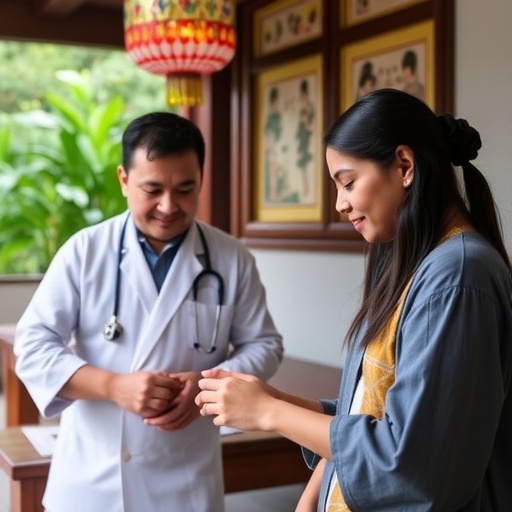
In recent years, the world has witnessed an exponential rise in the interest surrounding complementary and alternative medicine (CAM). This shift is not only reshaping global health paradigms but also fostering a deeper understanding of various traditional medical practices across the globe. One significant contribution to this discourse comes from a recent study conducted by researchers Wang, Gao, and Pan, who explore the motivations behind foreign students in China sharing their experiences and knowledge of traditional medicine. This research uncovers a fascinating intersection of culture, education, and health, with implications for how different societies approach healing practices.
As globalization continues to intricately weave the fabric of human interaction, the exchange of cultural practices has become more prominent than ever. The researchers point out that foreign students in China have unique insights into both Eastern and Western modalities of healing. They serve as cultural ambassadors who bridge the gap between diverse health beliefs and practices, thus amplifying the reach of traditional medicine. Their motivations to disseminate knowledge of CAM stem from various factors, including personal experiences, cultural pride, and the desire to demystify alternative therapies that may not be well understood in their home countries.
The study emphasizes the significance of these students’ roles in promoting an understanding of CAM, which is often juxtaposed against the backdrop of Western medicine that tends to dominate international health narratives. The researchers argue that traditional Chinese medicine (TCM) is not merely an ancient system of healing but a living tradition that speaks to the contemporary needs of health seekers worldwide. For many students, sharing their cultural healthcare practices becomes a profound way to retain their identity while fostering a dialogue about the diverse ways individuals approach wellness.
As the researchers delve deeper into the motivations of these students, they identify a shared sentiment: the desire to combat medical misinformation and stigma associated with alternative therapies. Many students are keenly aware that misconceptions about CAM can lead to a lack of trust and openness toward potentially beneficial practices. By actively engaging in conversations about TCM and other forms of alternative medicine, they strive to create a more nuanced understanding that can empower individuals to make informed health decisions.
In addition to personal motivations, the structural elements of cultural exchange play a pivotal role in facilitating the sharing of traditional medicine. The study underlines how academic institutions can serve as fertile ground for these discussions, providing platforms for foreign students to present their perspectives. Such initiatives not only enrich the educational experience for all parties involved but also help to cultivate a sense of community where diverse health practices can be revered and respected.
Moreover, the research outlines the challenges foreign students often face in disseminating their knowledge of CAM. Language barriers, misconceptions about their practices, and the overwhelming dominance of Western medical paradigms can hinder their efforts. Nonetheless, the students exhibit resilience and creativity in their approaches to education and engagement. They utilize social media, workshops, and informal gatherings as means to share their insights, thereby leveraging modern communication tools to reach wider audiences.
Furthermore, the authors highlight the importance of creating a supportive environment that encourages open dialogue about health practices. Educational institutions have a responsibility to foster such environments where students can freely explore and share their knowledge of CAM. Workshops featuring guest speakers, collaborative research projects, and cultural exchange programs can provide invaluable opportunities for both students and faculty to expand their understanding of alternative medicine.
The study posits that the intersection of educational and health exchanges has the potential to transform how traditional medicine is perceived and practiced globally. By enabling students to articulate their cultural perspectives on health, a more inclusive health narrative can emerge. This broader understanding can challenge preconceived notions about therapeutic practices that fall outside the conventional Western medical framework, ultimately advocating for a more integrative approach to healthcare.
Looking ahead, the researchers emphasize the need for future studies to further investigate these intercultural exchanges. Such research can provide additional insights into the intricate tapestry of medical practices worldwide, offering a roadmap for enhancing collaborative health initiatives across borders. By exploring the intersections of culture, education, and wellness, scholars can contribute to a body of knowledge that honors the richness of diverse healing traditions.
In conclusion, the study conducted by Wang, Gao, and Pan sheds light on the pivotal role of foreign students in China as advocates for traditional medicine. Their motivations to share their cultural practices elucidate a growing movement toward integrating alternative medicine into global health conversations. As interconnectedness continues to grow in our increasingly globalized world, the contributions of these students will undoubtedly pave the way for a more comprehensive understanding of health, healing, and cultural resilience.
As we consider the implications of their findings, we are reminded of the importance of respect and appreciation for various medical traditions. The journey toward a more compassionate and inclusive healthcare system is ongoing, and the efforts of these students signify a meaningful step in that direction. Their passion for sharing knowledge emphasizes the significance of cultural exchange, fostering a sense of unity and shared understanding among diverse populations.
As we move into a future where the interplay of different health systems becomes more pronounced, the role of education and intercultural dialogue will be critical. This research serves as a reminder of the potential for traditional medicine to enrich our global health landscape, encouraging us to embrace a holistic view of wellness that celebrates our diverse experiences and shared humanity.
Subject of Research: The motivations behind foreign students in China to share traditional medicine culture cross-border.
Article Title: Intercultural dissemination of complementary and alternative medicine: unveiling the intentions of foreign students in China to share traditional medicine culture cross-border.
Article References:
Wang, J., Gao, D., Pan, Y. et al. Intercultural dissemination of complementary and alternative medicine: unveiling the intentions of foreign students in China to share traditional medicine culture cross-border. BMC Complement Med Ther (2025). https://doi.org/10.1186/s12906-025-05200-6
Image Credits: AI Generated
DOI: 10.1186/s12906-025-05200-6
Keywords: Traditional Medicine, Complementary and Alternative Medicine, Cultural Exchange, Intercultural Dialogue, Health Practices.
Tags: bridging Eastern and Western healing practicescomplementary and alternative medicine trendscultural exchange in healthcarecultural pride in health beliefsdemystifying traditional medicineeducational role of foreign studentsforeign students in traditional medicineimpact of globalization on health practicesimplications for global health paradigmsmotivations of foreign students in Chinapersonal experiences in alternative therapiestraditional medicine cultural ambassadors



