FORT COLLINS, COLO. – In tropical climes, animals and plants aren't adapted to surviving freezing temperatures – and why would they be? It's never all that cold near the Equator, even at altitude. But in places like the Rocky Mountains, where temperatures can climb into the 100s and dip below freezing, species are hardier and more equipped to deal with such fluctuations.
These divergent climate tolerances play crucial roles in how species evolve. Colorado State University research offers new insight into this long-held understanding of species diversity.
A study led by CSU biologists shows that insect populations in the tropics exhibit a higher number of distinct species than in the Rockies. But the distinctions between those species consist of subtle, genetic differences that aren't readily visible. These are called cryptic species – by the looks of things identical, but actually genetically distinct.
The study supports a classic theory dating back to the 1960s. The saying goes that "mountain passes are higher in the tropics" – that is, tropical mountain passes are stronger barriers to the dispersal of organisms than temperate-zone passes of equivalent altitudes. That's indeed true, and the CSU researchers have now found that that species differentiation is more subtle – cryptic – than previously understood.
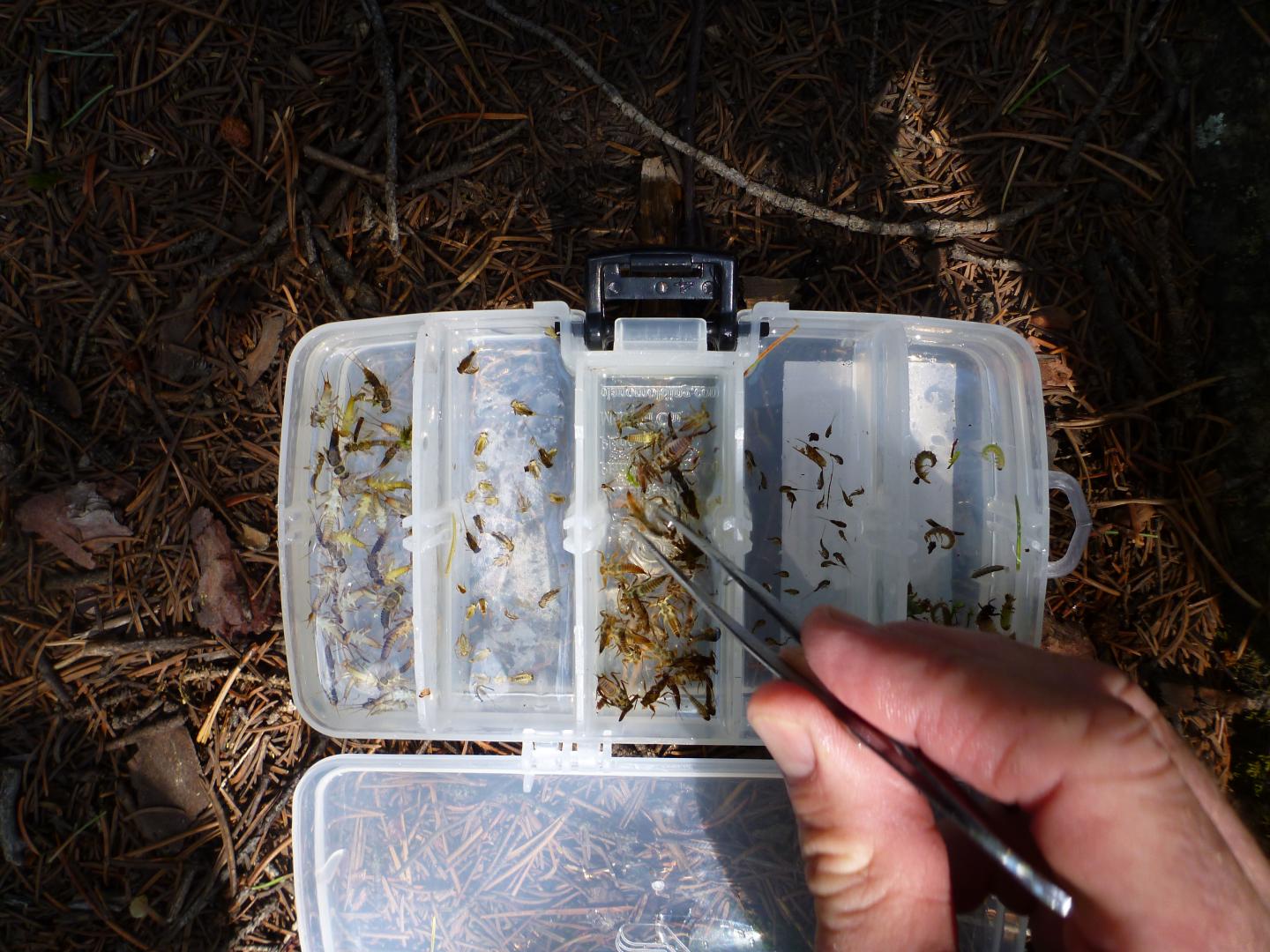
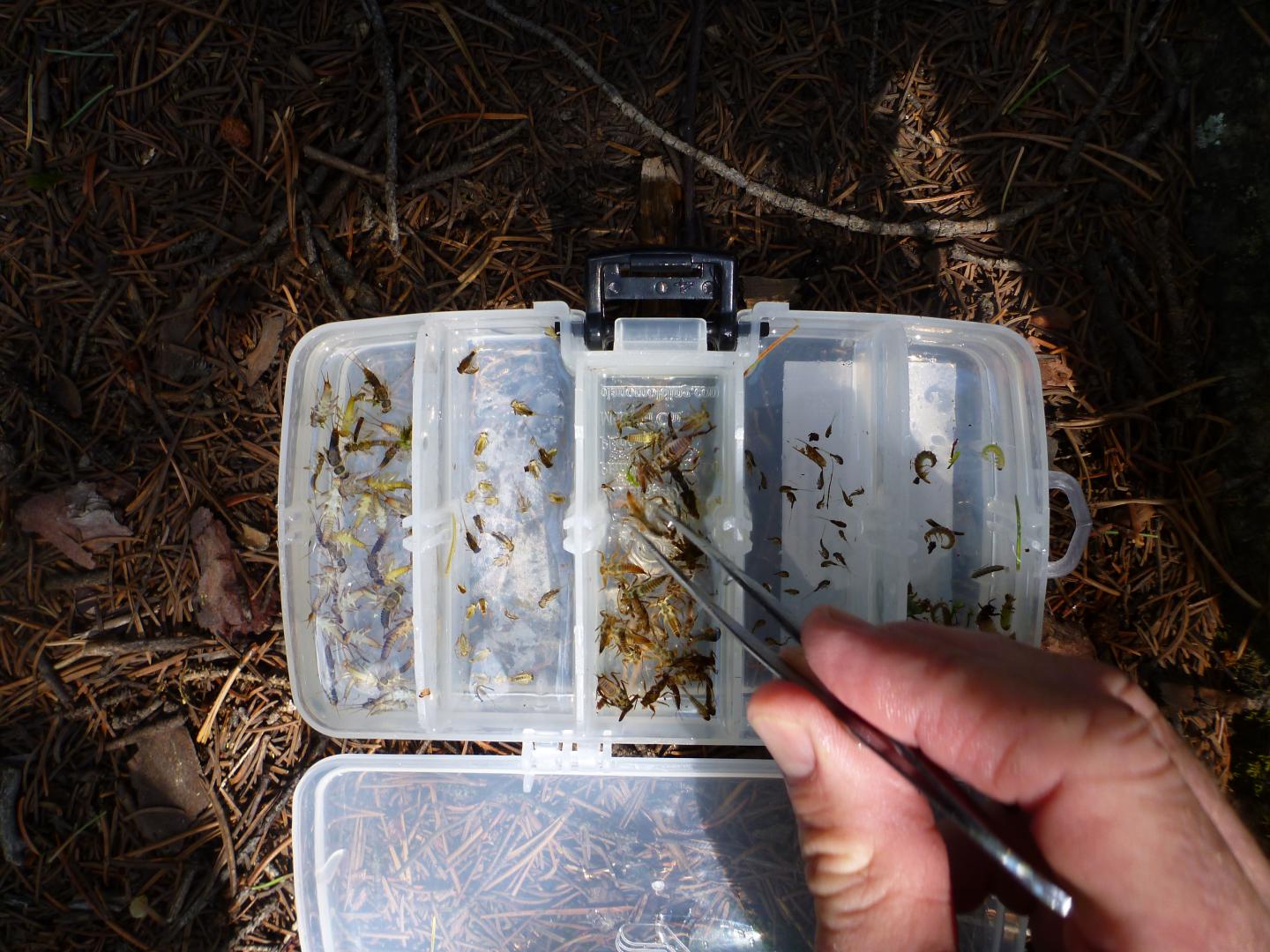
The study, published online June 15 in Proceedings of the Royal Society London B – Biological Sciences will be featured on the journal's printed cover. The lead author is Brian Gill, a graduate student co-advised by Chris Funk in the College of Natural Sciences' Department of Biology and Boris Kondratieff in the College of Agricultural Sciences' Department of Bioagricultural Sciences and Pest Management. Gill led a field team that traversed watersheds in the wilds of Colorado's Rocky Mountains and in the remote Ecuadorean Andes to collect and analyze thousands of mayflies at comparable elevations. Mayflies are common aquatic insects that play key roles in stream food webs and other ecological processes.
Comparing mayfly specimens between the Rockies and the Andes, the researchers identified higher species richness in Ecuador than in Colorado – a disparity rooted in high levels of cryptic tropical diversity. They used a genetic analysis called DNA barcoding to parse out these subtle species differences, which would not be apparent using standard taxonomy.
In fact, by standard taxonomic methods, it would appear that Colorado had a greater abundance of mayfly species. But the subtle, molecular-level differences unveiled by the DNA analyses tipped the scale well in favor of species richness for tropical mayflies.
"Since there is this high climatic zonation in the tropics and narrow thermal tolerances, there are more opportunities for populations to become divergent and isolated, which is what you need for speciation to happen," Gill explained. By comparison, temperate species and their tolerance to a wider range of conditions leads to more gene flow, which limits the number of distinct species that can evolve.
"We think our results can contribute to the discussion about species vulnerability and how it varies across the planet," Gill said.
The next step is to provide better support for latitudinal differences in physiology, and more insight into how species disperse. For those follow-up studies, the researchers will continue to work with collaborators at CSU, Cornell University, University of Nebraska Lincoln, Universidad San Francisco de Quito, and Universidad Tecnológica Indoamérica.
###
The work was part of a $5 million Dimensions of Biodiversity grant from the National Science Foundation, awarded in 2011.
Media Contact
Anne Ju Manning
[email protected]
970-491-7099
@ColoStateNews
Home