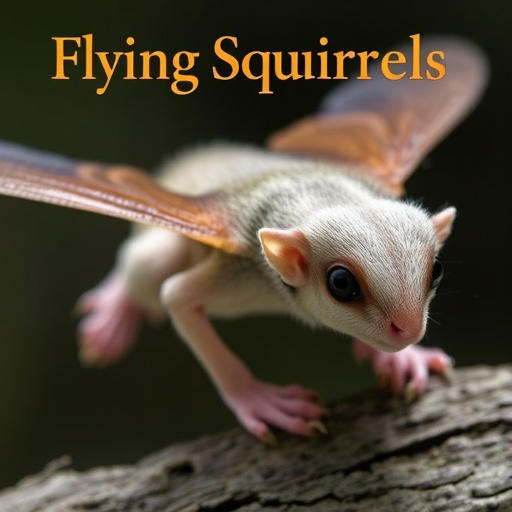
In a groundbreaking study published in Frontiers in Zoology, researchers Ángela Quesada, María Hernández Fernández, and Ignacio Menéndez delve deep into the fascinating world of flying squirrels, a group of nocturnal rodents known for their unique adaptations and extraordinary gliding abilities. Their research sheds light on the intricate relationship between cranial morphology, dietary habits, and the environmental factors that govern differentiation across various geographical biomes, particularly tropical and temperate zones.
The central theme of the research highlights how cranial morphology in flying squirrels is reflective of not only their feeding behaviors but also the ecological niches they occupy. Scientists have long recognized the significance of skull shape in understanding the evolutionary pressures exerted by diet. This study provides empirical evidence connecting specific cranial features to the dietary strategies of flying squirrels, establishing a critical link between form and function in these interesting mammals.
One of the most striking findings from this study is the disparity in skull morphology between flying squirrels found in tropical environments compared to their temperate counterparts. The researchers observed that tropical species exhibit more varied cranial shapes, which align with the diverse diet available in these biodiverse habitats. Conversely, temperate species maintained more consistent cranial structures, reflecting a more stabilized food resource environment. This adaptability underscores the evolutionary pressures exerted by different ecological contexts that result in morphological divergency.
Throughout the research, the scientists employed a novel analytical approach to assess the cranial morphology of flying squirrels. By utilizing geometric morphometrics—a method often used in biological studies to analyze shape variations—Quesada and her colleagues quantitatively assessed the differences in skull shape among various populations. This innovative approach offers a robust framework for examining the subtle morphological variations that may result from adaptive responses to different ecological pressures.
The relationship between cranial morphology and lifestyle is further exemplified by dietary habits. The study meticulously categorizes the feeding strategies of flying squirrels, delineating between those that primarily consume fruits, nuts, insects, and other food sources. The findings suggest that variations in cranial structure correlate significantly with foraging behavior, implying that the dietary preferences of these animals have played a crucial role in shaping their skull morphology over time.
An essential aspect of this research is the consideration of size disparity within these biomes. The authors note that not only does shape play a critical role in cranial morphology, but size also demonstrates significant variance across populations. Temperate flying squirrels tended to be larger on average, further underlining how environmental factors can influence both the physical form and ecological roles of these animals.
The implications of the study extend beyond theoretical discourse; they also impact conservation strategies. With habitats under threat from climate change and human activity, understanding the morphological adaptations of flying squirrels can provide crucial insights into their resilience and adaptability. The researchers emphasize the importance of preserving diverse ecosystems that support these unique rodent populations, as they continue to navigate the challenges imposed by changing environments.
In addition to its implications for conservation, this research contributes to the broader field of ecological and evolutionary biology. By unraveling the connection between cranial morphology, diet, and habitat, the authors provide a framework that can be applied to other species experiencing similar ecological dynamics. The insights gained from flying squirrels may thus serve as a model for studying adaptive evolution in a variety of taxa.
In their conclusion, Quesada, Hernández Fernández, and Menéndez call for future research to further explore the genetic and environmental factors that drive cranial morphology in flying squirrels and potentially other niches within the rodent family. They suggest that an integrative approach combining morphological, ecological, and genetic analyses could yield more comprehensive insights into the adaptative significance of form in response to varying environmental pressures.
The researchers hope that their findings will spark further interest and investigation into the diverse adaptations of small mammal species. The complexity of ecological interactions, particularly how anatomy influences behaviors, offers a fascinating avenue for exploration that could reveal much about evolutionary processes in a changing world.
Overall, this study represents a significant advancement in our understanding of flying squirrels and contributes valuable knowledge to the fields of zoology, ecology, and evolutionary biology. As the researchers wrap up their findings, they are hopeful that their work will not only broaden the scientific community’s appreciation for these creatures but also inspire conservation efforts that prioritize biodiversity preservation across all ecosystems.
It is imperative for ongoing studies to include broader geographic ranges and more species in the investigation of cranial morphology and dietary adaptation. By documenting these changes and the factors influencing them, scientists can work towards ensuring the survival of flying squirrels as they face increasingly precarious living conditions in the wild. As ecological conditions shift, understanding these dynamics will become ever more critical for wildlife conservation and habitat management efforts.
This meticulous research expands our understanding of the remarkable relationship between anatomy, diet, and behavior in flying squirrels while also sparking curiosity for future studies that could enhance our understanding of mammalian adaptation. The intricate balance of evolution and ecology exemplified in these adaptations promises to enhance our understanding of biodiversity and the paths through which species respond to their environments.
In summary, the study on cranial morphology in flying squirrels offers a fascinating glimpse into how these remarkable mammals have adapted to thrive in diverse environments. The connections between shape, size, and ecological niches highlight the intricate dance of evolution and ecology that characterizes life on Earth, reminding us of the delicate balance that underpins biodiversity and the importance of conserving our planet’s rich variety of ecosystems.
Subject of Research: Cranial morphology in flying squirrels relating to diet and ecological environment.
Article Title: Cranial morphology in flying squirrels: diet, shape, and size disparity across tropical and temperate biomes.
Article References:
Quesada, Á., Hernández Fernández, M. & Menéndez, I. Cranial morphology in flying squirrels: diet, shape, and size disparity across tropical and temperate biomes.
Front Zool 22, 5 (2025). https://doi.org/10.1186/s12983-025-00556-4
Image Credits: AI Generated
DOI: https://doi.org/10.1186/s12983-025-00556-4
Keywords: cranial morphology, flying squirrels, ecological adaptation, dietary habits, tropical biomes, temperate biomes, morphology evolution.
Tags: biodiversity and feeding strategiesbiomes and animal adaptationscranial morphology in rodentsdietary habits of flying squirrelsecological niches of flying squirrelsempirical evidence in zoologyflying squirrels adaptationsgliding abilities of flying squirrelsmorphological differences in mammalsnocturnal rodents and their ecologyskull shape and evolutionary pressurestropical versus temperate species comparison