Credit: Raija Törrönen
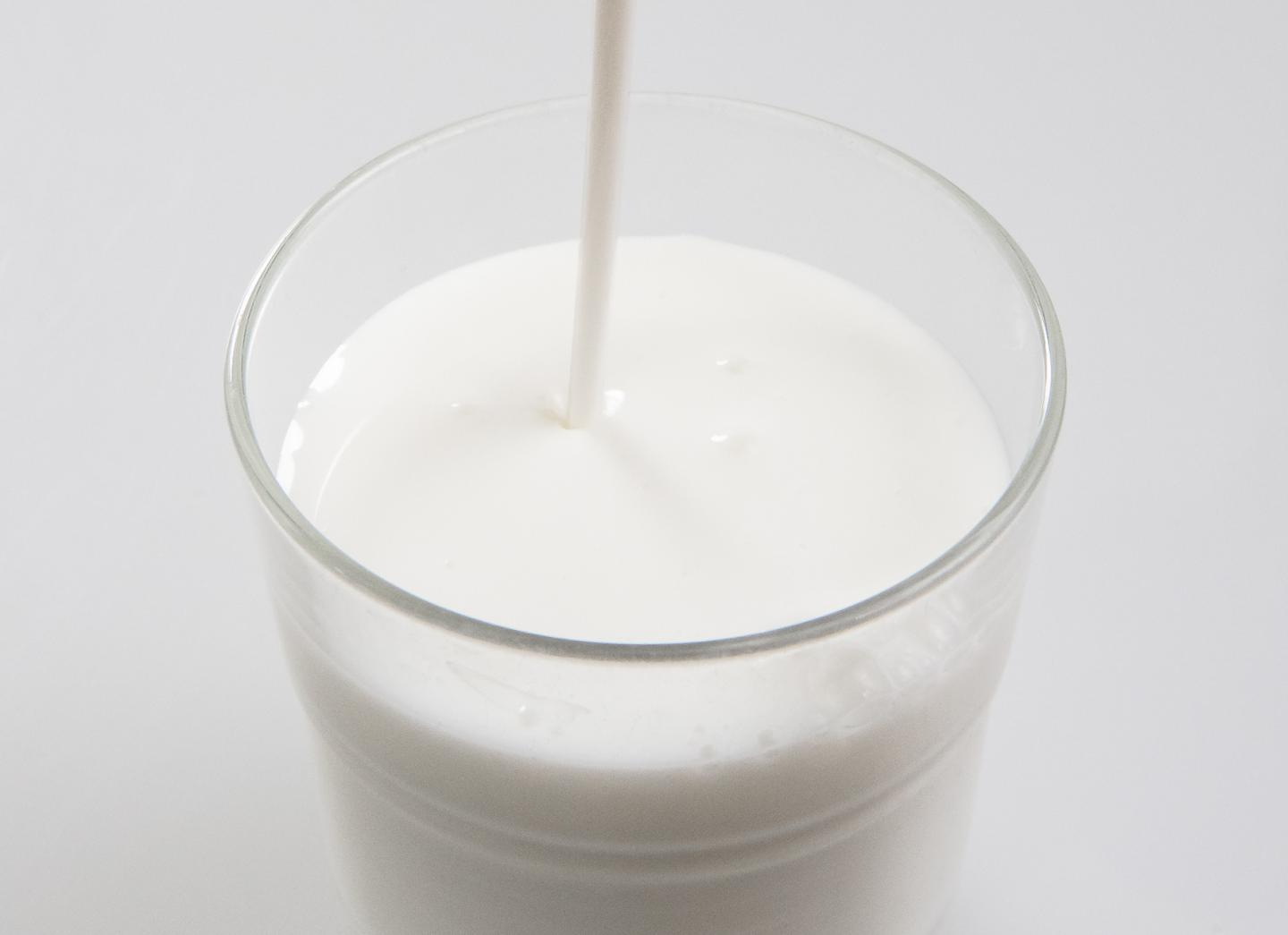
Men who eat plenty of fermented dairy products have a smaller risk of incident coronary heart disease than men who eat less of these products, according to a new study from the University of Eastern Finland. A very high consumption of non-fermented dairy products, on the other hand, was associated with an increased risk of incident coronary heart disease. The findings were published in the British Journal of Nutrition.
Earlier studies have shown that fermented dairy products have more positive effects on blood lipid profiles and on the risk of heart disease than other dairy products. Examples of fermented dairy products include cheese, yoghurt, quark, kefir and sour milk. However, research into the topic remains scarce.
The Kuopio Ischaemic Heart Disease Risk Factor Study ongoing at the University of Eastern Finland explored the associations of fermented and non-fermented dairy products with the risk of incident coronary heart disease. Approximately 2,000 men participated in the study. Their dietary habits were assessed at the beginning of the study in 1984-1989, and they were followed up for an average of 20 years. During this follow-up, 472 men experienced an incident coronary heart disease event.
The study participants were divided into groups on the basis of how much they ate different dairy products, and the researchers compared the groups with the highest and lowest consumption, while also taking various lifestyle and nutrition factors into consideration.
When the study participants were divided into four groups on the basis of their consumption of fermented dairy products with less than 3.5% fat, the risk of incident coronary heart disease was 26% lower in the highest consumption group compared to the lowest consumption group. Sour milk was the most commonly used low-fat fermented dairy product. The consumption of high-fat fermented dairy products, such as cheese, was not associated with the risk of incident coronary heart disease.
However, the researchers found that a very high consumption on non-fermented dairy products was associated with an increased risk of incident coronary heart disease. Milk was the most commonly used product in this category, and a very high consumption was defined as an average daily milk intake of 0.9 litres. Lower consumption levels were not associated with the risk.
"Here in Finland, people's habits of consuming different dairy products have changed over the past decades. For instance, the consumption of milk and sour milk have declined, while many fermented dairy products, such as yoghurt, quark and cheeses, have gained in popularity," Adjunct Professor Jyrki Virtanen from the University of Eastern Finland says.
The new study provides further evidence on the health benefits that fermented dairy products may have over non-fermented ones. All the mechanisms are not understood yet, but they may be linked to compounds forming during the fermentation process.
###
For further information, please contact:
Jyrki Virtanen, PhD, Adjunct Professor in Nutrition Epidemiology (principal investigator). University of Eastern Finland, Institute of Public Health and Clinical Nutrition, tel. +3582944 54542
Intake of fermented and nonfermented dairy products and risk of incident CHD: the Kuopio Ischaemic Heart Disease Risk Factor Study Timo T. Koskinen, Heli E. K. Virtanen, Sari Voutilainen, Tomi-Pekka Tuomainen, Jaakko Mursu, Jyrki K. Virtanen. British Journal of Nutrition. Published online 29.10.2018. https://doi.org/10.1017/S0007114518002830
Media Contact
Jyrki Virtanen
[email protected]
358-294-454-542
@UniEastFinland
http://www.uef.fi
Original Source
https://www.uef.fi/en/-/hapanmaitotuotteiden-kaytto-saattaa-suojata-sydaninfarktilta http://dx.doi.org/10.1017/S0007114518002830