


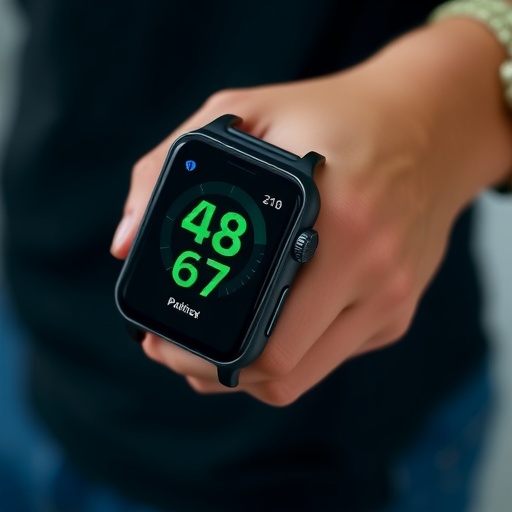
The emergence of wearable technology has transformed the way we monitor health and fitness. A recent study led by Szeto, Arnold, and Singh delves into the integration of wearable activity trackers in hospital rehabilitation settings. This study is poised to set the groundwork for future implementations, propelling healthcare into a more data-driven and personalized era. The researchers focused on how these devices can support rehabilitation outcomes, while considering the unique needs of local healthcare environments.
Wearable activity trackers have seen a meteoric rise in popularity over the past decade. Devices such as Fitbit, Apple Watch, and various smart-health bands have become household names. These gadgets not only track physical activity but also monitor heart rates, sleep patterns, and caloric expenditures. Nevertheless, the pivotal question remains: can these devices be effectively integrated into hospital rehabilitation programs? According to Szeto and his team, the answer is an optimistic yes.
The feasibility study examined a diverse cohort of patients undergoing hospital rehabilitation. This included individuals recovering from orthopedic surgeries, cardiac events, and other significant health issues. The research team wanted to evaluate not just the technology itself, but also how it could be tailored to the specific requirements of the local rehabilitation setting. Such customization is essential, as patient demographics and available resources can greatly vary.
One significant finding of the study was the enhanced engagement patients expressed when utilizing wearable trackers during their rehabilitation process. Unlike traditional methods of tracking progress, which often relied on paper logs or sporadic nurse assessments, these wearables provided real-time feedback. Patients felt a greater sense of agency over their health, motivated by the immediate data available at their fingertips. This shift in mentality could have profound implications for adherence to rehabilitation protocols.
Another key aspect covered in Szeto’s research concerns the adaptability of wearable devices for diverse patient populations. For instance, some patients might have physical limitations that hinder their ability to utilize certain functionalities of a tracker. The study advocated for developing tailored applications that could accommodate these challenges. This adaptability is crucial to fostering inclusivity in rehabilitation practices and ensuring that all patients benefit from technological advancements.
Data collection through wearables extends beyond mere activity tracking. The ability to harvest vast amounts of data in real time opens up unprecedented opportunities for healthcare providers to analyze patient progress more accurately. Szeto’s research underscored how this data can be aggregated to identify trends, allowing clinicians to modify rehabilitation programs on a patient-by-patient basis. Such targeted interventions not only streamline the recovery process but may also contribute to improved long-term health outcomes.
While the study underscored the benefits of integrating wearable trackers, it also called attention to challenges that need addressing. Technical difficulties, such as connectivity issues and software bugs, surfaced as potential barriers to widespread implementation. Furthermore, there lies a critical need for better education among healthcare providers regarding how to interpret and utilize the data generated by these devices. As wearable technology continues to evolve, it is paramount that medical professionals stay abreast of these advancements to fully harness their potential.
Another point of interest from the research is the cost-effectiveness of implementing wearable technology in rehabilitation settings. In many cases, the use of wearables could reduce the need for frequent in-person assessments by healthcare professionals, potentially lowering overall healthcare costs. However, achieving this would necessitate careful consideration of initial investment versus long-term gains. The authors suggest that health systems might need to view these devices not as mere accessories, but as integral components of modern rehabilitation strategies.
Patient engagement can be particularly challenging in rehabilitation settings. Many individuals struggle with motivation, especially after facing significant health challenges. Szeto’s findings indicated that providing personalized goals through wearable devices can lead to improved patient commitment to rehabilitation. This creates a more interactive experience, allowing participants to track their progress and celebrate small achievements along the way, thus fostering a more positive mindset toward recovery.
In addition, the study explored ethical implications surrounding the use of wearable technology in healthcare. Patients often express concerns about privacy and data security, especially when personal health information is involved. The researchers emphasized the importance of transparent communication with patients about how their data will be used, stored, and analyzed. Establishing trust in this regard is key to successful integration; if patients feel secure about their data, they are more likely to engage with the technology effectively.
Looking ahead, the authors urge a larger-scale implementation and evaluation of these devices in varied healthcare environments. Further research could yield valuable information on how different patient populations respond to wearable technology. Additionally, exploring partnerships with wearable device manufacturers could result in tailored solutions optimized for rehabilitation settings, thus enhancing the quality of care.
In summary, Szeto and his team have outlined compelling arguments for the integration of wearable activity trackers within hospital rehabilitation contexts. Not only do these devices support patients in tracking their recovery journeys, but they also offer healthcare providers invaluable data to refine treatment plans. The study represents a forward-thinking approach to rehabilitation—a melding of technology and human compassion destined to reshape rehabilitation practices in years to come.
The enthusiasm surrounding this research also raises public interest, as wearable technology continues to proliferate in our daily lives. As hospitals begin to adopt these innovations, patients may face a future where their health management transitions to a more interactive, data-driven space. The implications extend beyond rehabilitation, setting a precedent for more integrated health monitoring systems across various branches of medicine.
As Szeto, Arnold, Singh, and their team work to refine these findings, the larger healthcare community watches closely. Their research holds the promise of not just enhancing individual healing but potentially revolutionizing the entire approach to patient care within hospital settings. The ongoing dialogue around the use of these devices ensures that the conversation about the future of health technology is only just beginning.
Subject of Research: Integration of wearable activity trackers in hospital rehabilitation settings.
Article Title: Implementation of wearable activity trackers in hospital rehabilitation: a feasibility study tailored to local settings.
Article References:
Szeto, K., Arnold, J., Singh, B. et al. Implementation of wearable activity trackers in hospital rehabilitation: a feasibility study tailored to local settings.
BMC Health Serv Res (2026). https://doi.org/10.1186/s12913-026-14066-4
Image Credits: AI Generated
DOI:
Keywords: Wearable technology, rehabilitation, patient engagement, data analysis, healthcare innovation.
Tags: cardiac rehabilitation wearable devicescustomization of wearable trackers for patientsdata-driven rehabilitation strategiesfeasibility of wearable devices in rehabfuture of wearable tech in healthcarehealth monitoring trends in rehab settingsimpact of smart health devices on recoveryintegration of activity trackers in healthcaremonitoring health with wearable technologyorthopedic rehabilitation technologypersonalized rehabilitation outcomeswearable technology in rehabilitation



