• HOME
  • NEWS
  • EXPLORE
    • CAREER
      • Companies
      • Jobs
    • EVENTS
    • iGEM
      • News
      • Team
    • PHOTOS
    • VIDEO
    • WIKI
  • BLOG
  • COMMUNITY
    • FACEBOOK
    • INSTAGRAM
    • TWITTER
Tuesday, January 13, 2026
BIOENGINEER.ORG
No Result
View All Result
  • Login
  • HOME
  • NEWS
  • EXPLORE
    • CAREER
      • Companies
      • Jobs
        • Lecturer
        • PhD Studentship
        • Postdoc
        • Research Assistant
    • EVENTS
    • iGEM
      • News
      • Team
    • PHOTOS
    • VIDEO
    • WIKI
  • BLOG
  • COMMUNITY
    • FACEBOOK
    • INSTAGRAM
    • TWITTER
  • HOME
  • NEWS
  • EXPLORE
    • CAREER
      • Companies
      • Jobs
        • Lecturer
        • PhD Studentship
        • Postdoc
        • Research Assistant
    • EVENTS
    • iGEM
      • News
      • Team
    • PHOTOS
    • VIDEO
    • WIKI
  • BLOG
  • COMMUNITY
    • FACEBOOK
    • INSTAGRAM
    • TWITTER
No Result
View All Result
Bioengineer.org
No Result
View All Result
Home NEWS Science News Biology

Exploring why males are larger than females among mammals

Bioengineer by Bioengineer
April 8, 2020
in Biology
Reading Time: 1 min read
0
IMAGE
Share on FacebookShare on TwitterShare on LinkedinShare on RedditShare on Telegram

IMAGE

Credit: Marcelo H. Cassini, PhD

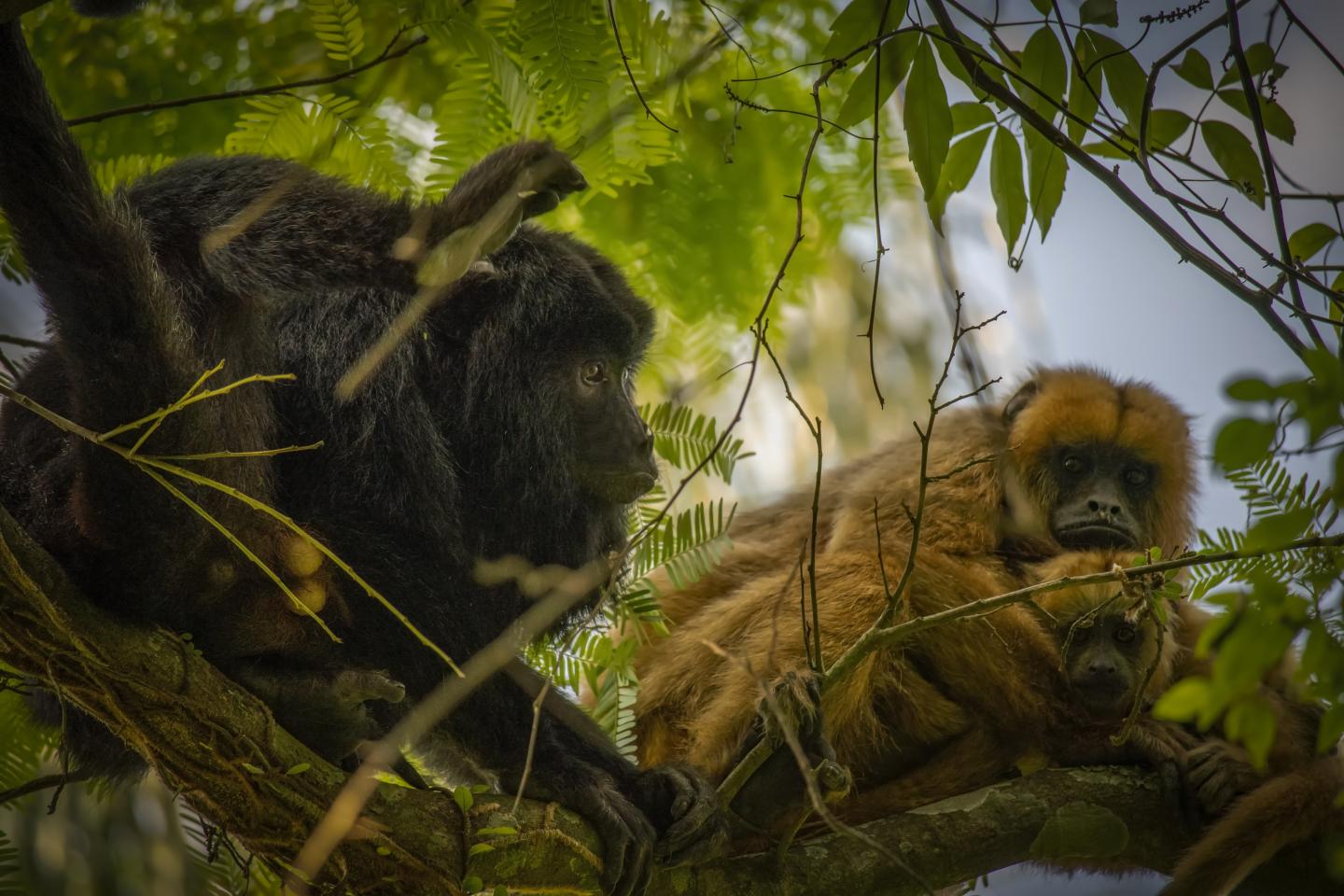
In most animals, females are larger than males, but in most mammals, males are larger than females. A new analysis published in Mammal Review examines the potential drivers of these differences.

In most animals, females are larger than males, but in most mammals, males are larger than females. A new analysis published in Mammal Review examines the potential drivers of these differences, calling into question the theory that only sexual selection is at play in mammals–that males compete to mate with females, and bigger males are more likely to win.

The analysis suggests that, alongside sexual selection, natural selection may be an evolutionary driver of sexual size differences in mammals. Males and females may have evolved to differ in size so that they could exploit resources such as food.

###

Media Contact
Penny Smith
[email protected]

Related Journal Article

http://dx.doi.org/10.1111/mam.12191

Tags: BiologyDevelopmental/Reproductive BiologyEcology/EnvironmentEvolution
Share12Tweet8Share2ShareShareShare2

Related Posts

blank

Blastocystis Boosts B and K2 Vitamins in Antelope Gut

January 13, 2026
New Intermediate Host Found for Fish Parasite

New Intermediate Host Found for Fish Parasite

January 13, 2026

Hidden Parasites in Saudi Rodents: Molecular Insights

January 13, 2026

High Helminth Seropositivity in Immunosuppressed Patients

January 13, 2026
Please login to join discussion

POPULAR NEWS

  • Enhancing Spiritual Care Education in Nursing Programs

    154 shares
    Share 62 Tweet 39
  • PTSD, Depression, Anxiety in Childhood Cancer Survivors, Parents

    147 shares
    Share 59 Tweet 37
  • Robotic Ureteral Reconstruction: A Novel Approach

    73 shares
    Share 29 Tweet 18
  • Study Reveals Lipid Accumulation in ME/CFS Cells

    52 shares
    Share 21 Tweet 13

About

We bring you the latest biotechnology news from best research centers and universities around the world. Check our website.

Follow us

Recent News

Embracing Uncertainty: Achieving Balance and Harmony

Nursing Perspectives on Sleep Promotion in Acute Care

Indonesian Propolis Extract Reduces Liver Inflammation from Diet

Subscribe to Blog via Email

Enter your email address to subscribe to this blog and receive notifications of new posts by email.

Join 71 other subscribers
  • Contact Us

Bioengineer.org © Copyright 2023 All Rights Reserved.

Welcome Back!

Login to your account below

Forgotten Password?

Retrieve your password

Please enter your username or email address to reset your password.

Log In
No Result
View All Result
  • Homepages
    • Home Page 1
    • Home Page 2
  • News
  • National
  • Business
  • Health
  • Lifestyle
  • Science

Bioengineer.org © Copyright 2023 All Rights Reserved.