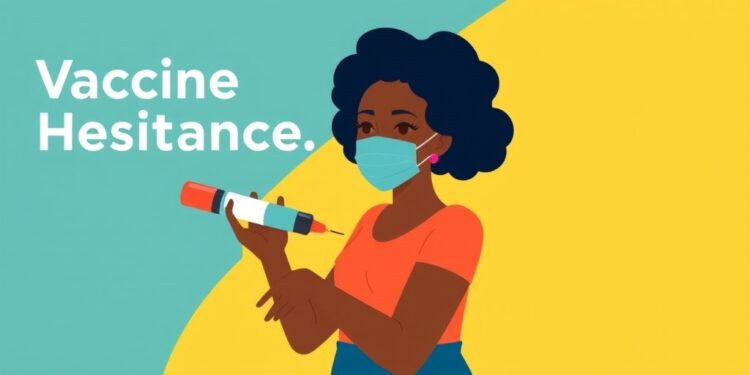

The ongoing dialogue surrounding COVID-19 vaccine hesitancy highlights critical disparities in health communication and outreach among various demographic groups. Notably, the health and well-being of Black women have emerged as a focal point of concern. Recent studies underscore that in order to effectively address vaccine hesitancy within this community, a nuanced and multifaceted approach is essential. It is imperative for health care practitioners and public health officials to acknowledge historical traumas while formulating communication strategies that resonate culturally and contextually with Black women. This acknowledgment is vital for building trust and fostering an environment conducive to informed decision-making regarding vaccinations.
The historical context of medical mistrust within the Black community cannot be overstated. Generations of systemic racism, unethical medical practices, and betrayal have created a profound wariness towards health care systems and medical interventions. This legacy of mistrust has implications for current public health initiatives, particularly as they pertain to the COVID-19 vaccine. Addressing vaccine hesitancy among Black women, therefore, necessitates not only providing transparent safety information regarding the vaccine but also recognizing and validating the lived experiences that contribute to hesitancy. Health communication must evolve beyond mere statistics and facts; it should engage with the community’s narrative and context.
Effective communication strategies must include collaboration with trusted community leaders and stakeholders who understand the collective experiences of Black women. By engaging these leaders, public health efforts can ensure that messaging is culturally sensitive and resonant. Communication must move beyond top-down approaches, which can often be perceived as coercive or dismissive. Instead, it is essential that public health officials adopt a model of engagement that actively involves community input, fostering an environment where concerns are heard and addressed.
Moreover, the importance of tailored interventions cannot be overlooked. A one-size-fits-all approach is inadequate when addressing the unique concerns of Black women regarding COVID-19 vaccination. Tailoring messages to reflect local community values, cultural norms, and specific barriers can enhance the effectiveness of outreach efforts. For example, highlighting personal stories and testimonials from members of the community who have been vaccinated can create relatable narratives that may alleviate fears and anxieties surrounding the vaccine.
The study also emphasizes the need for transparency in sharing safety information related to the vaccine. Misinformation and fear surrounding the vaccine’s side effects have contributed significantly to hesitancy. By providing clear, evidence-based information in an accessible format, health care practitioners can mitigate fears. Simplifying complex medical jargon into relatable terms allows individuals to grasp essential safety protocols, thereby fostering a climate of trust and open communication.
Engaging with health care providers is vital in this advocacy. Providers must be equipped with training that enables them to address concerns compassionately and thoroughly. This requires more than clinical knowledge; it demands an understanding of the social determinants of health that affect patients’ decision-making processes. Providers should embrace a patient-centered approach, ensuring that discussions about the COVID-19 vaccine are approached with empathy and an acknowledgment of personal histories.
Furthermore, the media plays a crucial role in shaping public perceptions of the vaccine. Ethical journalism should prioritize accurate representation of the hesitancy experienced by Black women while combating harmful narratives that perpetuate stigma. Reporters must strive to present well-rounded stories that highlight community solutions alongside challenges, fostering a narrative of resilience rather than despair. In this context, the media is not merely an observer; it is an active participant in shaping health conversations.
As we look toward addressing vaccine hesitancy, the role of social media cannot be ignored. Platforms like Twitter, Facebook, and Instagram can serve as powerful tools for dissemination and engagement. However, it is equally important to monitor these platforms for the spread of misinformation and biased narratives. Public health campaigns leveraging social media should focus on outreach strategies that promote positive community engagement and drive constructive discussions. These efforts can contribute to dismantling misinformation while empowering individuals to make informed choices.
The interplay between personal agency and collective responsibility is central to this dialogue. Empowering Black women to participate actively in discussions surrounding COVID-19 vaccination not only enhances individual decision-making but also fosters a sense of collective responsibility within the community. By emphasizing the importance of vaccination not just for personal protection but for the health of the community, public health campaigns can cultivate a sense of solidarity and shared purpose.
In conclusion, the findings of the study illuminate the multifaceted nature of vaccine hesitancy, particularly among Black women. Implementing strategies that prioritize trust-building, cultural sensitivity, and community engagement are no longer optional but essential for improving vaccine uptake. To truly overcome hesitancy, public health officials and health care practitioners must commit to a comprehensive approach addressing historical context, community narratives, and transparent communication strategies. As we navigate this public health landscape, the imperative is clear: we must work collaboratively to cultivate trust, validate concerns, and ultimately empower individuals to take charge of their health decisions.
Subject of Research: COVID-19 Vaccine Hesitancy among Black Women
Article Title: A Multifaceted Approach to Addressing COVID-19 Vaccine Hesitancy in Black Women
News Publication Date: October 2023
Web References: [Link not provided]
References: [Link not provided]
Image Credits: [Link not provided]
Keywords: COVID-19, Vaccine Hesitancy, Black Women, Public Health, Trust-Building