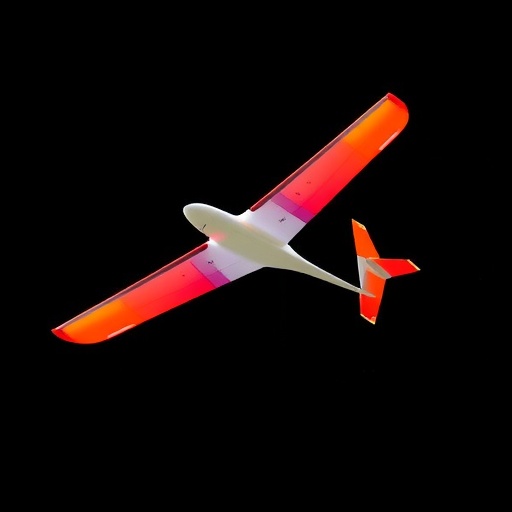
In the realm of unmanned aerial vehicles (UAVs), the need for enhanced performance and efficiency has given rise to a comprehensive study that scrutinizes the parametric aerodynamic characteristics associated with variations in tail geometry. The work conducted by researchers Al-Khafaji and Al-Haddad emphasizes the significance of tail design in optimizing fixed-wing UAVs for various operational scenarios. This article delves deeply into the implications of tail configurations on aerodynamic efficiency, stability, and overall aircraft performance.
Fixed-wing UAVs play pivotal roles across numerous domains, including aerial surveillance, agricultural monitoring, and delivery services. As reliance on these technologies grows, understanding the underlying aerodynamic principles becomes increasingly crucial. The tail geometry of a UAV not only influences its structural integrity but also impacts its flight characteristics. This study is positioned at the intersection of aerodynamics, engineering, and advanced materials science, reflecting a multidisciplinary approach to solving contemporary challenges in UAV design.
Al-Khafaji and Al-Haddad’s research introduces a systematic methodology for assessing tail geometry’s aerodynamic parameters. They utilize both computational fluid dynamics (CFD) and wind tunnel testing to derive insights into how various tail shapes affect flow characteristics and aerodynamic forces. This dual approach ensures a robust dataset, allowing for comprehensive analysis and validation of the aerodynamic theories underpinning UAV performance. By integrating simulation data with empirical observations, the researchers offer a nuanced understanding of airflow patterns around different tail configurations.
One of the primary observations noted in the research is the impact of vertical and horizontal tail variations on stability and control. The findings reveal that certain tail designs contribute to improved pitch stability, which is essential for maintaining control during dynamic operations. Moreover, the study demonstrates that variations in tail aspect ratios and control surface sizes can significantly influence drag characteristics, highlighting the delicate balance that designers must navigate between competing aerodynamic forces. The implications of these findings are extensive, suggesting potential pathways for enhancing both the endurance and maneuverability of UAVs.
The aerodynamic efficiency of a UAV is not solely determined by its tail design; it is a function of the entire aircraft’s geometry. However, the tail’s role is particularly pronounced because it serves as the primary control surface governing lateral and directional stability. Al-Khafaji and Al-Haddad dive into the functionalities of different tail configurations, analyzing how modifications can lead to optimized lift-to-drag ratios. Their findings indicate that even minor adjustments to the tail’s shape can yield substantial improvements in performance, showcasing the importance of precision engineering in UAV design.
Furthermore, the research expands upon the implications of varying tail design in specific applications. For instance, UAVs intended for long-range missions may benefit from a particular aerodynamic tail configuration that reduces drag, while those engaged in agile, tactical roles might require a different setup to enhance responsiveness. The researchers provide valuable insights into the trade-offs involved in selecting tail geometry based on mission profiles, underscoring the need for adaptive design principles that cater to diverse operational demands.
Al-Khafaji and Al-Haddad’s analytical framework also emphasizes the potential for utilizing advanced materials in the tail construction of UAVs. Innovations in lightweight, high-strength composites can complement aerodynamic enhancements, further pushing the boundaries of UAV performance. By integrating these materials with optimal tail designs, manufacturers can create UAVs that are not only more efficient but also capable of operating in a wider array of environmental conditions.
The study also contemplates future directions for UAV tail design and its relevance in the rapidly evolving field of drone technology. As new materials and manufacturing processes emerge, the traditional paradigms of tail geometry are likely to evolve. The researchers advocate for ongoing innovation, suggesting that future studies should incorporate emerging technologies such as additive manufacturing and smart materials. These advancements pave the way for more adaptable designs that can self-regulate to changes in flight conditions, promoting even greater efficiency and safety.
Moreover, Al-Khafaji and Al-Haddad underscore the importance of collaboration between academia, industry, and regulatory bodies as UAV technologies continue to advance. Effective partnerships can facilitate the translation of theoretical research into practical applications, thereby accelerating the integration of advanced design principles into the commercial sector. The study advocates for a proactive approach to policy-making, ensuring that regulatory frameworks keep pace with technological advancements to foster safe and effective UAV deployment.
In conclusion, the parametric aerodynamic characterization of tail geometry variations in fixed-wing UAVs represents a significant leap forward in our understanding of drone performance and efficiency. The meticulous research by Al-Khafaji and Al-Haddad sheds light on the complex interplay between tail design and aerodynamic forces, offering critical insights for future UAV development. With an ever-expanding array of applications on the horizon, the implications of this research extend beyond theoretical frameworks, promising to shape the future trajectory of UAV technology for years to come.
This study not only sets a foundation for future exploration within aerospace engineering but also highlights the technological potential lurking within optimized UAV designs. As industries leverage these insights, we can anticipate a surge in innovative applications driven by enhanced UAV capabilities, ultimately transforming the landscape of aerial operations and beyond.
Subject of Research: Parametric aerodynamic characterization of tail geometry variations in fixed-wing UAVs
Article Title: Parametric aerodynamic characterization of tail geometry variations in fixed-wing UAVs
Article References:
Al-Khafaji, A.J.D., Al-Haddad, L.A. Parametric aerodynamic characterization of tail geometry variations in fixed-wing UAVs.
AS (2025). https://doi.org/10.1007/s42401-025-00406-5
Image Credits: AI Generated
DOI: 10.1007/s42401-025-00406-5
Keywords: UAV, tail geometry, aerodynamic characterization, fixed-wing, performance optimization
Tags: advanced materials in UAV engineeringaerodynamic efficiency of UAVscomputational fluid dynamics in UAVfixed-wing UAV aerodynamicsmultidisciplinary UAV design studiesparametric aerodynamic characteristicsstability in unmanned aerial vehiclestail geometry implicationsUAV flight characteristics analysisUAV performance optimizationUAV tail design effectswind tunnel testing for UAVs