


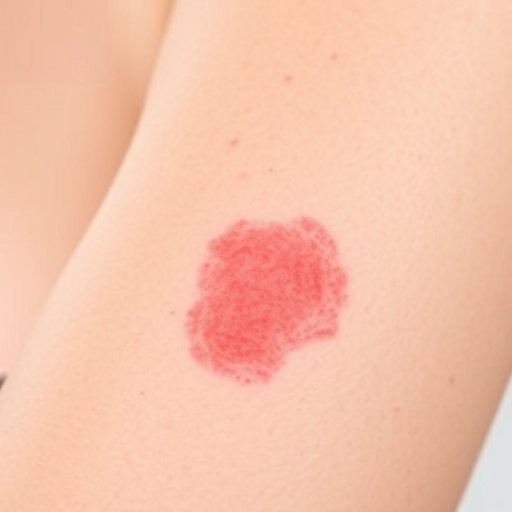
Recent research conducted by a team of scientists has uncovered critical insights into the often-overlooked symptom of skin pruritus, particularly in individuals diagnosed with type 2 diabetes mellitus. This condition, characterized by persistent itching of the skin, is more than just a mere irritation; it can significantly impact the quality of life for those affected. The study, led by prominent researchers including Cai, Tang, and Yan, aims to identify the correlated factors that contribute to this distressing symptom in diabetic patients. Given the increasing prevalence of type 2 diabetes worldwide, this research could have far-reaching implications for patient care and management.
Skin pruritus in diabetes has long been a topic of interest, yet it remains poorly understood. The latest findings suggest that various physiological and environmental factors may play a role in the development of this condition. Traditionally, skin itching has been attributed to peripheral neuropathy, which can develop as a secondary complication of diabetes. However, recent theories propose that the pathophysiology may involve a more complex interplay of metabolic and inflammatory processes. This new study aims to shed light on the multifactorial nature of skin pruritus in diabetes patients.
The researchers meticulously analyzed a large cohort of patients with type 2 diabetes to identify potential correlations between various clinical features and skin pruritus. Through extensive data collection—including laboratory tests, patient interviews, and dermoscopic examinations—they were able to ascertain the prevalence of pruritus within their sample group. The results were startling: a significant number of patients reported experiencing itching, indicating that this symptom is far more common in the diabetic population than previously recognized.
One of the factors examined in the study was glycemic control, an essential aspect of diabetes management. High blood glucose levels have been associated with several skin conditions, and this research suggests that they may also exacerbate itching. The evidence indicates that patients who experience poor glycemic control are more likely to report symptoms of skin pruritus. This finding highlights the importance of maintaining optimal blood sugar levels as a potential measure for reducing dermatological symptoms.
Another significant factor identified in the research is the role of skin hydration. The researchers found that dry skin is a substantial contributor to itching, particularly in the context of diabetes. The compromised skin barrier function observed in diabetic patients may lead to exacerbated moisture loss, which in turn results in dry and itchy skin. This underscores the necessity for healthcare providers to emphasize skin care as an integral part of diabetes management, advocating for proper moisturization as a potential remedy.
In addition to glycemic control and skin hydration, the study also explored the influence of other comorbid conditions on skin pruritus. For instance, many diabetic patients also suffer from obesity, which can contribute to systemic inflammation and worsen skin symptoms. The researchers note that understanding the correlation between these comorbidities and skin pruritus may aid in developing targeted interventions that address multiple aspects of the patient’s health, ultimately improving their overall well-being.
Further complicating the matter, the research delved into the potential psychological aspects associated with itchy skin in diabetic individuals. The emotional burden of chronic itching can lead to anxiety and depression, creating a vicious cycle where the mental health challenges make it harder for individuals to manage their diabetes effectively. As such, the findings from this research call for a more holistic approach to diabetes care, one that addresses both physical and emotional health to mitigate the suffering caused by skin pruritus.
As the research team continues to analyze the data, they are beginning to forge connections between skin pruritus and the use of certain medications commonly prescribed for diabetes management. Some antidiabetic drugs may carry side effects that exacerbate skin conditions, underscoring the importance of individualized treatment plans. Understanding the nuances of how different medications can affect the skin could lead to better treatment regimens and improved patient adherence.
Moreover, the study emphasizes the need for increased awareness among healthcare providers regarding the significance of pruritus in diabetic patients. Many clinicians may overlook this symptom, assuming it to be a minor inconvenience. However, recognizing the impact of skin itching on a patient’s quality of life could encourage more proactive measures to address this issue. This change in perspective is crucial for creating a more comprehensive approach to diabetes care.
The implications of this research extend beyond individual patient care; they have broader public health ramifications as well. With the rising incidence of type 2 diabetes worldwide, addressing symptoms such as skin pruritus is crucial for improving overall health outcomes for this growing population. Public health initiatives must consider the quality of life for diabetic patients, emphasizing the importance of comprehensive symptom management.
While the findings of this study are groundbreaking, they are just the beginning. Future research will need to investigate the underlying mechanisms of skin pruritus further, exploring potential genetic, biochemical, and environmental influences. Identifying specific biomarkers associated with pruritus could pave the way for more precise interventions tailored to the needs of individual patients.
In conclusion, the recent study conducted by Cai, Tang, and Yan represents a significant advancement in our understanding of skin pruritus in type 2 diabetes mellitus. By identifying correlated factors such as glycemic control, skin hydration, and psychological well-being, the researchers have illuminated the complexities of this symptom. Their work advocates for a more integrated approach to diabetes management, one that encompasses not only metabolic control but also addresses the dermatological and psychological aspects of patient care.
As research in this field continues to evolve, we can anticipate new insights that will enhance our understanding of the multifaceted relationship between skin health and diabetes. This pioneering work lays the groundwork for future studies that could ultimately lead to improved therapeutic strategies, allowing those with type 2 diabetes to not only manage their condition but also to enjoy a better quality of life free from the burden of skin pruritus.
Subject of Research: Correlated factors of skin pruritus in type 2 diabetes mellitus.
Article Title: Analysis of correlated factors of skin pruritus in type 2 diabetes mellitus.
Article References: Cai, X., Tang, J., Yan, J. et al. Analysis of correlated factors of skin pruritus in type 2 diabetes mellitus. BMC Endocr Disord (2026). https://doi.org/10.1186/s12902-025-02120-x
Image Credits: AI Generated
DOI: 10.1186/s12902-025-02120-x
Keywords: skin pruritus, type 2 diabetes mellitus, glycemic control, skin hydration, quality of life
Tags: chronic itching and diabetesfactors contributing to skin itchingimplications for patient care in diabetesinflammatory responses in skin conditionslatest research on diabetes complicationsmanagement of skin itch in diabetesmetabolic processes in diabetesmultifactorial causes of skin pruritusperipheral neuropathy and diabetesquality of life in diabetic patientsresearch on diabetes symptomsskin pruritus in type 2 diabetes



