Recent research has unveiled critical insights into the dynamics of physical activity among frail geriatric patients, revealing essential factors that influence their engagement in exercise and movement. Conducted by a team of researchers led by Huang, Zhang, and Zhou, this study leverages the COM-B model—a widely recognized framework that effectively outlines the necessary conditions for behavior change. The study emphasizes the significance of understanding how various intrinsic and extrinsic factors impact the physical activity levels of older adults, especially those classified as frail.
Physical activity is a cornerstone of maintaining health and well-being throughout the lifespan, but its benefits are particularly pronounced in older adults. For frail geriatric patients, engaging in regular physical activity can lead to enhanced mobility, improved cardiovascular health, and a reduction in the overall risk of chronic diseases. However, the barriers to achieving such levels of activity can be plentiful and complex. Huang and colleagues aim to dissect these barriers by applying the COM-B model, which categorizes the factors influencing behavior into three components: capability, opportunity, and motivation.
The first component, capability, pertains to the physical and psychological capacity to engage in physical activity. For frail elderly patients, factors such as chronic pain, impaired mobility, and cognitive decline can severely limit their ability to participate in exercise. The study showcases various dimensions of capability, highlighting how tailored interventions that build strength, balance, and coordination can foster an increase in physical activity levels. These interventions not only focus on physical improvement but also engage the patients mentally, thus enhancing their psychological resilience as well.
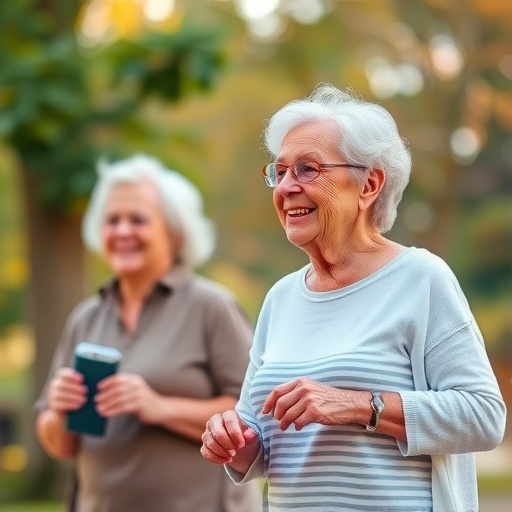
Opportunity, the second component of the COM-B model, encompasses environmental factors that either foster or hinder physical activity. Access to safe and suitable exercise environments, such as parks, gym facilities, or even simple home modifications, plays a crucial role in encouraging elderly individuals to engage in physical activity. The study found that social support networks, including family members and healthcare providers, can significantly influence opportunities for frail patients to be physically active. This correlation underscores the importance of communal involvement in promoting the health of older adults, suggesting that increasing social interactions can catalyze more opportunities for movement.
Motivation, the third component of the COM-B model, highlights the intrinsic and extrinsic drives that encourage individuals to engage in physical activities. For geriatric patients, intrinsic motivation may stem from personal health goals, a desire for independence, or the enjoyment derived from movement. Extrinsic motivation could be influenced by positive reinforcement from caregivers or healthcare providers, underscoring the impact of encouragement and recognition on performance. The study illuminates how motivation can be nurtured through various strategies, including goal-setting and the introduction of enjoyable and varied physical activities.
Findings from the study revealed a multifaceted relationship between these components and the levels of physical activity in frail older adults. Researchers employed statistical analysis and interviews to collect data from a diverse group of participants, ensuring that the findings are representative of the broader geriatric population. The results indicated that addressing only one component of the COM-B model may not yield significant improvements; rather, an integrated approach that simultaneously enhances capability, opportunity, and motivation is crucial for effective interventions.
In addition to highlighting the current landscape of physical activity among frail geriatric patients, this study also lays the groundwork for future research. The authors call for longitudinal studies to better understand the long-term effects of increased physical activity on health outcomes in this demographic. As the global population ages, the urgency to address frailty and promote physical activity among older adults has never been greater. The findings from Huang et al. are timely, contributing valuable insights that could drive policy changes and the development of community programs aimed at supporting the elderly.
Furthermore, the research opens up discussions on the role of technology in encouraging physical activity among older adults. Wearable fitness trackers, mobile applications, and virtual exercise classes can enhance engagement by providing feedback, tracking progress, and fostering social connections. As the geriatric population continues to embrace technology, integrating these tools into physical activity interventions could further amplify participation rates and outcomes.
In conclusion, the study conducted by Huang, Zhang, and Zhou serves as a vital contribution to understanding the interplay of physical activity and frailty among older adults. By meticulously investigating the intrinsic and extrinsic factors that motivate or inhibit exercise, the authors provide evidence-based insights that can inform clinical practice. Their work reinforces the critical message that enhancing physical activity in frail geriatric patients is not solely a matter of prescription but requires a holistic, multifaceted approach that considers the entire ecosystem surrounding the individual.
As healthcare systems worldwide prepare to meet the challenges posed by an aging population, research like this underscores the importance of a proactive approach to aging. Empowering frail elderly individuals to prioritize and engage in physical activity can lead to healthier lifestyles, ultimately reducing healthcare costs and improving quality of life. The validation of the COM-B model in this context signals a promising avenue for future studies and interventions aimed at transforming the lives of a vulnerable yet resilient segment of our population.
Moving forward, collaboration among healthcare providers, caregivers, and researchers will be paramount. By working together to create supportive environments and motivate frail geriatric patients, society can embrace a more compassionate and effective approach to aging. The key takeaway from this research is clear: physical activity is vital, and understanding the intricacies of its promotion can make all the difference in the lives of frail elderly individuals.
In a world striving for health equity, the importance of addressing the unique needs of frail geriatric patients cannot be overstated. It is essential to empower this demographic with the tools and resources necessary to thrive, making physical activity an integral part of their journey. As we push forward into the future, may we learn from the insights gained from this study—insights that have the potential to alter the landscape of geriatric health for years to come.
Subject of Research: Physical activity in frail geriatric patients
Article Title: Physical activity and its associated factors in frail geriatric patients: a cross-sectional study utilizing the COM-B model.
Article References:
Huang, X., Zhang, N., Zhou, H. et al. Physical activity and its associated factors in frail geriatric patients: a cross-sectional study utilizing the COM-B model. BMC Geriatr (2026). https://doi.org/10.1186/s12877-026-07074-w
Image Credits: AI Generated
DOI: 10.1186/s12877-026-07074-w
Keywords: frail elderly, physical activity, COM-B model, health interventions, geriatric health.
Tags: barriers to physical activitychronic disease risk reductionCOM-B model applicationenhancing mobility in older adultsextrinsic factors influencing exercisegeriatric exercise engagementhealth benefits of physical activityintrinsic factors affecting mobilityolder adults and cardiovascular healthphysical activity in frail seniorspromoting exercise among elderly patientsunderstanding frailty in seniors