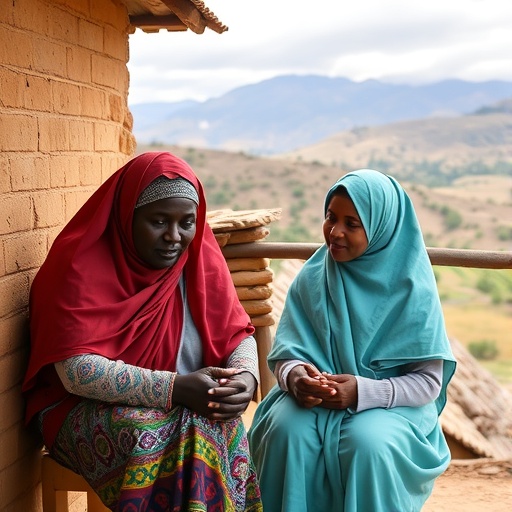
In the realm of contemporary healthcare, the concept of patient-centered care has emerged as a pivotal paradigm, revolutionizing the interaction between healthcare providers and patients. This paradigm shift emphasizes the importance of tailoring healthcare services to meet the individual needs and preferences of patients, fostering not only improved health outcomes but also enhanced satisfaction and loyalty. A recent study, focusing on outpatient attendees in primary hospitals in the South Gondar Zone of Northwest Ethiopia, casts a spotlight on the myriad factors associated with the implementation of patient-centered care within this specific context.
This comprehensive mixed methods study, conducted by a team of researchers including Nega, Yemata, and Mamuye Azanaw, intricately explores the nuances of patient-centered care from multiple dimensions. Their approach not only quantifies the prevalence of patient-centered practices but also seeks to understand the underlying emotional, social, and systemic factors that facilitate or hinder such care. What emerges is a rich tapestry of insights that underscore the complexities inherent in delivering optimal healthcare services, particularly in resource-constrained settings.
At the heart of the findings lies a strong correlation between the level of patient-centered care received and various socio-demographic factors, including age, education level, and socioeconomic status. The researchers found that younger patients, particularly those with a higher level of educational attainment, reported significantly more positive experiences with patient-centered care. This aligns with global trends observed in healthcare research, suggesting that education serves as a critical determinant in a patient’s ability to engage effectively with healthcare systems, articulate their needs, and advocate for their preferences.
Moreover, the study highlights the pivotal role that healthcare provider attitudes and behaviors play in the delivery of patient-centered care. In environments where clinicians prioritize empathy, active listening, and shared decision-making, patients tend to report higher satisfaction levels and a stronger sense of involvement in their care processes. This highlights an often-overlooked aspect of healthcare—the human element—and suggests that training healthcare professionals in soft skills could yield tangible improvements in patient experiences.
Interestingly, the research also identifies systemic barriers that impede the effective delivery of patient-centered care in the study’s context. Factors such as inadequate staffing, limited resources, and high patient-to-provider ratios contribute to a healthcare environment where individualized care may be more challenging to implement. As the study outlines these barriers, it paints a vivid picture of the struggles faced by healthcare systems in low and middle-income countries, where the demand for quality care often outstrips available resources.
To address these challenges, the authors advocate for a multifaceted approach that includes policy reforms aimed at bolstering resource allocation for primary healthcare facilities. By increasing support for hospitals, particularly those situated in underserved regions, policymakers can play a significant role in enhancing the overall quality of care. Investments in healthcare infrastructure, training programs, and community outreach can empower both patients and providers, fostering a more robust patient-centered care framework.
In terms of methodology, the researchers employed a mixed methods approach, integrating quantitative surveys with qualitative interviews that enrich the narrative surrounding patient experiences. This dual approach is particularly advantageous, as it allows for a thorough exploration of not only the measurable outcomes of patient-centered practices but also the personal stories and emotional resonance behind these experiences. Such qualitative insights are crucial for understanding the real-world implications of healthcare policies and practices.
The significance of this study extends beyond local boundaries, offering valuable lessons that can be extrapolated to a broader context. Patient-centered care, while deeply rooted in local culture and healthcare practices, bears universal principles that can benefit healthcare systems worldwide. The study’s findings underscore the necessity for healthcare providers to adapt their practices to embrace the diverse needs of patients, signalling a move towards a more equitable and responsive healthcare landscape.
Yet, the transition towards fully realizing patient-centered care is fraught with challenges. As highlighted by the findings, entrenched cultural beliefs and traditional healthcare practices often pose substantial barriers to the implementation of these modern principles. Engaging with communities, understanding their values, and incorporating their perspectives into healthcare practices is essential in mitigating resistance and fostering acceptance of patient-centered approaches.
Interestingly, the researchers report variations in patient perceptions based on the type of care sought—be it preventative, acute, or chronic care. Patients seeking chronic care often expressed a greater desire for comprehensive engagement from their healthcare providers, suggesting that the nature of the medical issue can significantly influence the expectations placed on patient-provider interactions. This insight invites further exploration into how healthcare systems can adapt their strategies across different types of care modalities.
In the context of global health initiatives, the findings from this mixed methods study resonate with ongoing efforts to promote patient engagement as a key component of healthcare reform. Organizations and health authorities are increasingly recognizing that empowering patients can lead to better health outcomes, lower costs, and increased satisfaction. Likewise, the study underscores the need for ongoing research into patient-centered practices as a means of informing policy and guiding health service delivery.
As cherry-picked insights from the South Gondar Zone case study ripple across the academic and policy-making landscapes, the implications are profound. Advocates for patient-centered care must arm themselves with the evidence to drive systemic change, leveraging study findings to bolster arguments for improved healthcare delivery in diverse contexts. By doing so, they contribute to a larger movement that prioritizes the dignity, needs, and voices of patients, thus redefining what it means to deliver care in an increasingly interconnected world.
In conclusion, the mixed methods study spearheaded by Nega, Yemata, and Mamuye Azanaw offers a compelling and comprehensive exploration of the intricacies surrounding patient-centered care in Northwest Ethiopia. Their findings serve as both a call to action and a beacon of hope, showcasing the potential for improved healthcare experiences through the concerted efforts of healthcare providers, policymakers, and communities. As the global healthcare community continues to evolve, the lessons learned from this localized study will undeniably shape the future of patient-centered practices.
Subject of Research: Patient-centered care among outpatient attendees in primary hospitals in South Gondar Zone, Northwest Ethiopia.
Article Title: Patient-centered care and associated factors among outpatient attendees in primary hospitals in South Gondar Zone, Northwest Ethiopia: a mixed methods study.
Article References:
Nega, F.K., Yemata, G.A., Mamuye Azanaw, M. et al. Patient-centered care and associated factors among outpatient attendees in primary hospitals in South Gondar Zone, Northwest Ethiopia: a mixed methods study.
BMC Health Serv Res (2026). https://doi.org/10.1186/s12913-026-14117-w
Image Credits: AI Generated
DOI:
Keywords: Patient-centered care, outpatient services, Ethiopia, healthcare quality, mixed methods study.
Tags: challenges of patient-centered careemotional and social factors in healthcarefactors influencing patient-centered carehealthcare provider-patient interactionhealthcare satisfaction and loyaltyimproving health outcomes in Ethiopiamixed-methods research in healthcareoutpatient care in South Gondarpatient-centered care in Ethiopiaprimary healthcare practices in Ethiopiaresource-constrained healthcare settingssocio-demographic influences on healthcare