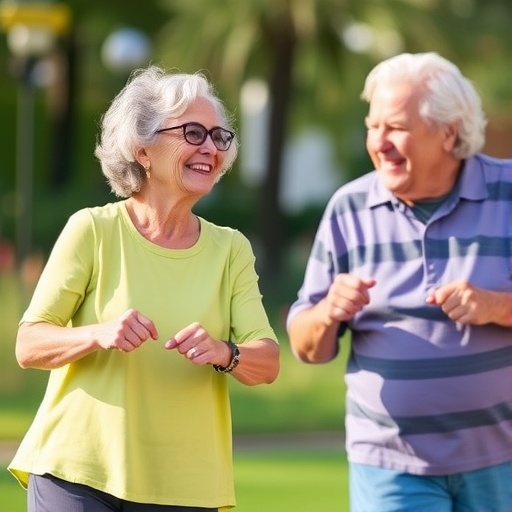
In the realm of public health, understanding the dynamics of physical activity among older adults is both critical and timely. Recent studies reveal a growing concern regarding the motivations that influence this demographic’s engagement in physical activity. A groundbreaking investigation conducted by Fotokian, Larijani, MohammadKhah, and colleagues sheds light on this pressing issue by exploring the intricate relationship between lifestyle choices and motivation for participating in physical activities among older adults in northern Iran.
The challenges faced by the elderly in maintaining physical activity levels cannot be overstated. As individuals age, they often encounter physical limitations, health-related issues, and psychological barriers that can dampen their motivation to stay active. This longitudinal study emphasizes that while these challenges exist, both intrinsic and extrinsic factors play substantial roles in determining how older adults engage with physical fitness.
Lifestyle has emerged as a central theme in this research. The study categorically demonstrates that a healthier lifestyle directly correlates with heightened motivation to partake in physical activity. It highlights how diet, social engagement, and mental well-being intertwine with physical exercise, presenting a holistic view of wellness that transcends mere physical exertion. The implications of these findings extend beyond individual health, suggesting that societal frameworks and community support systems are crucial in fostering a positive atmosphere for older adults.
The research was conducted across several healthcare centers, showcasing a diverse yet representative sample of the older population in northern Iran. The multi-center cross-sectional design allows for a thorough examination of the various factors impacting motivation for physical activity. By employing comprehensive questionnaires and assessment tools, the researchers were able to gather nuanced data that distinguished between different motivational drivers.
Intriguingly, the study underscores the significance of social interactions in enhancing motivation levels. Older adults who reported having robust social networks displayed greater enthusiasm for participating in physical activities. This finding is particularly relevant in today’s context, as social isolation emerges as a common challenge for seniors, exacerbated by the increasing prevalence of digital communication that may not meet their social needs. Thus, fostering community interactions could serve as a cornerstone for enhancing physical activity levels in this age group.
Moreover, the impact of mental health initiatives on participation motivation was significant. The correlation between mental wellness and physical fitness engagement reinforces the need for integrative health programs that consider both physical and psychological dimensions. As the study articulates, creating an environment that promotes mental resilience could lead to a more active lifestyle among older adults, ultimately contributing to improved health outcomes.
In addition, the implications of the research extend onto policy-making. Local government initiatives that emphasize age-friendly environments, including accessible parks and recreational spaces, stand to benefit directly from these findings. The study posits that when older adults encounter environments tailored to their needs, their inclination to engage in physical activity increases significantly. This finding is a clarion call for urban planning strategies that prioritize the elderly and their unique lifestyle requirements.
Equally important is the role of healthcare providers in motivating older adults to adopt more active lifestyles. Educating practitioners on the psychological aspects of motivation can catalyze meaningful conversations with their patients about the importance of physical activity. Training healthcare professionals to understand the various motivational factors can lead to enhanced patient outcomes, suggesting that an informed approach can help bridge the gap between awareness and action.
As we delve deeper, the researchers also emphasize the importance of tailored interventions targeting older adults’ specific lifestyles and motivations. One-size-fits-all programs often overlook the individual nuances that dictate a person’s willingness to exercise. Personalized fitness plans, community outreach programs, and targeted motivational campaigns will likely yield more significant results.
The study also reviews the critical role of technology. In an age where digital solutions proliferate, the potential for technology to enhance physical activity motivation among older adults cannot be ignored. Applications designed for fitness tracking, community-building platforms, and even virtual exercise classes can encourage seniors to engage actively in their health journey. However, it must be balanced against the knowledge that technological barriers may also exist for some older adults, thus calling for straightforward and user-friendly solutions.
The intersection of cultural factors with physical activity motivation among older adults indicates a broader narrative. The researchers acknowledge that cultural perceptions of aging and physical fitness can significantly affect seniors’ willingness to engage in exercise. In many cultures, older adults may perceive exercise as less suited for their age. Therefore, addressing these cultural stereotypes is vital in developing interventions that resonate with the target population.
Alongside these revelations, the findings elucidate the importance of family support. Older adults who receive encouragement and assistance from family members tend to exhibit higher levels of motivation for physical engagement. Family dynamics and their influence on adopting a more active lifestyle serve as a pivotal aspect of the motivation landscape, showcasing how familial relationships can foster or hinder physical activity pursuits.
In summary, this study offers significant insights into the multifaceted motivations for physical activity among older adults in northern Iran. By examining lifestyle choices, psychological states, societal structures, and community support, it charts a comprehensive understanding of how various elements intertwine to determine the level of physical activity engagement within this demographic. As the implications of such research continue to unfold, it will be crucial for stakeholders, from policymakers to healthcare providers, to take heed of these insights and strive to create environments conducive to active aging.
Promoting physical activity among older adults isn’t merely a health concern; it symbolizes a broader commitment to enhancing quality of life and encouraging longevity. As we assimilate these findings into public health agendas, we pave the way for a more inclusive society where older adults can thrive, engage, and relish a physically active lifestyle well into their later years.
Subject of Research: Motivations for Physical Activity among Older Adults
Article Title: Relationship between lifestyle and participation motivation in physical activity among the older adults: a multi-center cross-sectional study from northern Iran.
Article References: Fotokian, Z., Larijani, F., MohammadKhah, F. et al. Relationship between lifestyle and participation motivation in physical activity among the older adults: a multi-center cross-sectional study from northern Iran. BMC Health Serv Res (2026). https://doi.org/10.1186/s12913-026-14061-9
Image Credits: AI Generated
DOI: 10.1186/s12913-026-14061-9
Keywords: Physical Activity, Older Adults, Lifestyle, Motivation, Community Support, Mental Health, Social Interaction, Health Policy, Technology, Cultural Factors.
Tags: barriers to physical activity in elderlycommunity support for active agingdietary impacts on senior fitnesshealth-related challenges for older adultsholistic wellness in aging populationsintrinsic and extrinsic motivation in elderlylifestyle factors affecting seniorslongitudinal studies on aging and exercisemental well-being and physical activityolder adults physical activity motivationpublic health strategies for older adultssocial engagement and exercise for seniors