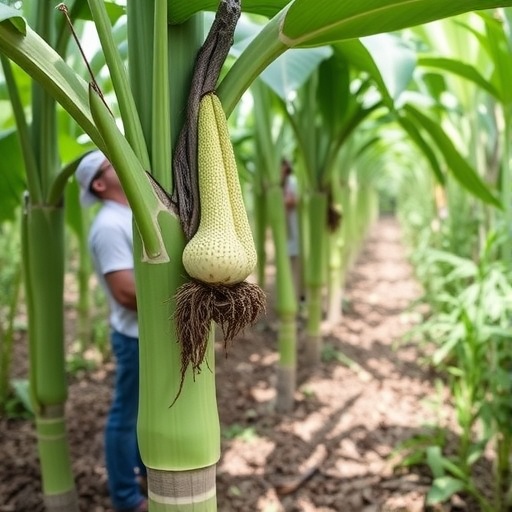
In the dynamic realm of agricultural biotechnology, the research conducted by Ereful, Alonday, and Lalusin has emerged as a significant breakthrough, shedding light on the phenomenon of expression heterosis in abaca, scientifically known as Musa textilis. This research, published in BMC Genomics in 2026, targets the BC2 hybrid known as Dioscoro 1, focusing on the underlying genetic principles that govern heterosis—a phenomenon frequently observed in hybrid plants where the offspring exhibit superior qualities in comparison to their parents. This research carries immense implications, not only for the cultivation of abaca but also for the broader field of plant genetics and breeding.
Abaca, a type of banana native to the Philippines, is highly valued for its strong fiber, which is used in various applications including textiles, packaging, and even specialty paper. Given its economic and ecological importance, understanding the genetic basis of desirable traits in abaca is imperative for enhancing crop yields and fostering sustainable agricultural practices. The analysis delves deep into the expression patterns of key genes associated with critical agronomic traits, thereby opening avenues for more strategic breeding programs.
One of the focal points of the research is the concept of heterosis, which describes the phenomenon where hybrid offspring grow faster, are more robust, and yield higher than their parental generations. The scientists meticulously examined the transcriptional profiles in the Dioscoro 1 hybrid, unraveling the specific gene expressions that contribute to the observed improvements in growth and resilience. This understanding offers insights into how genetic diversity among parents can lead to hybrids that are not only more productive but also exhibit greater adaptability to varying environmental conditions.
The findings suggest that the expression of certain genes related to metabolic processes is significantly upregulated in hybrid plants. This upregulation facilitates improved nutrient uptake and enhances stress response mechanisms, allowing the plants to thrive in conditions that would undermine their parental strains. The study also elucidates how epigenetic changes can influence gene expression, impacting overall hybrid vigor, thus presenting a complex interplay of genetics at the molecular level.
Through advanced genomic analyses, especially RNA sequencing, the researchers traced the pathways through which beneficial traits are amplified in hybrid plants. They identified numerous candidate genes that not only play pivotal roles in promoting growth but are also essential for disease resistance, an increasingly crucial factor in agriculture due to the growing threats posed by plant pathogens. Understanding these traits can allow breeders to select parent plants that maximize the expression of these key genes in future breeding initiatives.
Moreover, the implications of such research extend into the realm of agricultural sustainability. By focusing on hybrids that demonstrate enhanced fitness, the study supports efforts to reduce chemical input and encourages farming practices that harmonize with ecological principles. Land-use patterns can be optimized, and the resilience of cultivated areas can be significantly bolstered through informed selection and genetic management strategies. Thus, the research not only paves the way for increased production but also fosters a more sustainable approach to crop cultivation.
The critical examination of expression heterosis in Musa textilis also raises questions about how climate change may impact future breeding efforts. As global temperatures rise and weather patterns become increasingly unpredictable, the ability to produce resilient plant varieties will be vital. The findings of this study, with their focus on the adaptability of hybrid plants, provide a foundation for developing strategies that ensure food security in changing conditions.
In the face of ongoing challenges in agriculture, such as pest resistance and climate variability, the ability to utilize genetic diversity present within crops like abaca can yield benefits that transcend local economies. The pervasive implications influence everything from regional agricultural policies to global market trends. By harnessing the power of hybrid vigor, communities can bolster their economic resilience and secure livelihoods dependent on these vital resources.
The research inevitably sparked interest in similar investigations across other plant species, encouraging a wider understanding of how heterosis can be exploited in various crops, especially those facing similar challenges as abaca. With the growing investment into biotechnological advancements, many are keen to apply insights gained from Musa textilis’s heterosis phenomena to ensure the robustness of food systems worldwide.
In conclusion, the groundbreaking research into the expression heterosis of the Dioscoro 1 hybrid of Musa textilis illuminates critical pathways that can inform breeding programs and genetic studies. The implications presented by this study serve not only to enhance crop productivity but also ensure ecological balance in agricultural practices. As researchers continue to delve into the genetic intricacies of plants, the potential for innovations that arise could have lasting impacts on global agriculture, particularly as we aim to meet the nutritional demands of an ever-growing population.
With each new discovery, we move closer to unlocking the secrets of nature’s genetic blueprint. Such studies not only provide a glimpse into the future of sustainable agriculture but also reaffirm our commitment to innovative practices that respect and harness the intricacies of plant biology. The potential for hybrid crops such as Dioscoro 1 to revolutionize agricultural systems highlights the importance of genetic research in addressing the multifaceted challenges faced by the agricultural sector.
By promoting the use of sustainable agricultural practices grounded in genetic research and the innovative breeding of hybrids, we can collectively respond to the pressing challenges faced by global food systems. The journey towards discovering further applications of expression heterosis is just beginning, and the scientific community is poised to explore this frontier in plant genetics with enthusiasm and diligence.
The future of abaca cultivation, guided by the principles laid out in this research, holds promising prospects that can contribute significantly to the livelihoods of countless farmers and the economies of agricultural communities. As we navigate the complexities of food production and sustainability, advancements in understanding heterosis will undoubtedly remain a central theme in the ongoing dialogue of agricultural innovation.
Subject of Research: Expression heterosis in abaca (Musa textilis Née) BC2 hybrid.
Article Title: Expression heterosis in the abaca (Musa textilis Née) BC2 hybrid, Dioscoro 1.
Article References:
Ereful, N.C., Alonday, R.C.S. & Lalusin, A.G. Expression heterosis in the abaca (Musa textilis Née) BC2 hybrid, Dioscoro 1. BMC Genomics (2026). https://doi.org/10.1186/s12864-025-12499-5
Image Credits: AI Generated
DOI:
Keywords: Expression heterosis, Musa textilis, BC2 hybrid, Dioscoro 1, hybrid vigor, genetic diversity, agricultural sustainability, gene expression.
Tags: agricultural biotechnology breakthroughsBC2 hybrid Dioscoro 1economic importance of abacaenhancing crop yieldsexpression patterns of agronomic traitsfiber applications in textilesgenetic principles of hybrid vigorheterosis in abacahybrid plant advantagesMusa textilis geneticsplant breeding and geneticssustainable agricultural practices