


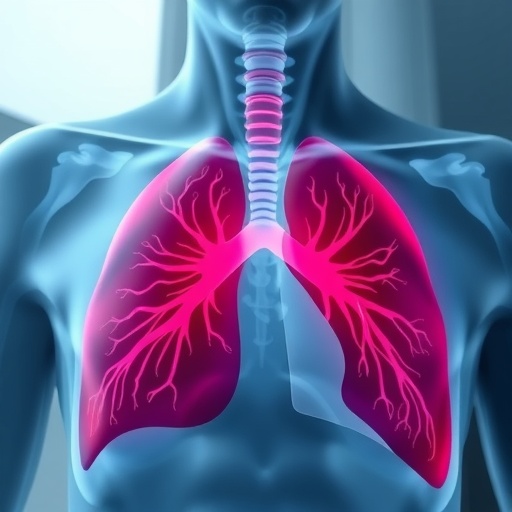
Hemoptysis, the medical term for coughing up blood, is a symptom that can range from benign to potentially life-threatening. It poses especially significant challenges in the geriatric population, characterized by both increased occurrence and complexity of underlying causative factors. A recent study conducted by Kara et al. shines a light on the singular phenomenon surrounding hemoptysis in elderly patients, bringing to the forefront the importance of tailored management strategies in this vulnerable demographic.
The research conducted involved a comprehensive single-center analysis, encapsulating the responses of geriatric patients who presented with hemoptysis. This condition can stem from a myriad of causes, including pulmonary infections, malignancies, or cardiovascular diseases, among others. Yet, among older adults, age-related physiological changes and comorbidities necessitate a different diagnostic and therapeutic approach than that employed in younger populations.
Kara and colleagues meticulously evaluated the clinical data of patients beyond the age of 65 who experienced hemoptysis. The recruitment of participants for this study was critically important, as elderly patients often represent a neglected subset in medical research. The study’s approach underscored not only the need for greater inclusivity in clinical studies but also the specificity required when dealing with frail populations.
As they delved deeper, the authors noted that an understanding of the patient’s entire medical history, including chronic illnesses and medication profiles, was essential. Geriatric patients frequently exhibit polypharmacy, which complicates the clinical picture further. For instance, the use of anticoagulants is rampant among older adults, which can exacerbate bleeding and heighten the urgency of the response required by healthcare providers.
In their findings, Kara et al. illuminated a critical trend: the immediate and delayed responses to hemoptysis varied widely among patients based on their pre-existing health conditions. The interplay of comorbidities such as chronic obstructive pulmonary disease (COPD) or malignancies like lung cancer complicates treatment decisions and could lead to alterations in prognosis. This multifaceted interaction demonstrates the necessity for healthcare teams to adopt a more holistic view when treating geriatric patients experiencing hemoptysis.
The research team also encountered a variety of diagnostic challenges that clinicians face when addressing hemoptysis in older adults. For instance, differentiating between benign and malignant causes of blood in sputum requires a concerted effort in imaging and possibly invasive procedures that can be risky in frail patients. The balance of risk versus benefit must always be struck, considering the patient’s autonomy and quality of life.
Kara et al. emphasized the need for a multidisciplinary approach in managing hemoptysis among older patients, calling for a collaboration between pulmonologists, geriatricians, and palliative care teams. Such collaboration can provide an integrated care pathway that addresses not just the physical health needs of patients, but also their psychosocial requirements, making it critical in achieving optimal outcomes for geriatric patients.
Moreover, the study stressed the importance of follow-up care; continuous monitoring of geriatric patients who have experienced hemoptysis allows healthcare providers to adjust treatment plans as necessary. This iterative approach is vital for managing evolving health conditions in older patients, who may not exhibit typical symptoms due to atypical presentations of diseases in advanced age.
In the realms of public health, Kara et al.’s findings advocate for increased awareness around the phenomenon of hemoptysis in geriatric patients. Awareness not only among healthcare professionals but also among caregivers and family members can lead to more timely interventions and better overall management of respiratory conditions. Education on the signs of hemoptysis and understanding when to seek medical attention is vital, as prompt care can drastically improve the clinical outcomes.
As the study gathered more data, it also brought to light the integral role that patient education plays in managing this condition. Patients who are empowered with knowledge about their health are more likely to adhere to treatment plans and engage proactively in their healthcare. Such an endeavor can be transformative, particularly in geriatric populations where cognitive function may be impaired.
The implications of this research extend into the realms of healthcare policy as well. The findings presented by Kara et al. could guide policy changes aimed at improving healthcare access for elderly patients experiencing respiratory issues. There is a pressing need to invest in community health services that provide comprehensive support to this demographic, ensuring that they receive timely and effective care.
The study concluded with a clarion call for future research endeavors. With the rates of hemoptysis projected to rise with the aging population, there is an urgent need for a larger cohort study across multiple centers to build upon these findings. Such research could deepen the understanding of the underlying mechanisms of hemoptysis in older adults and refine treatment protocols further, empowering clinicians to provide superior care.
In light of the challenges highlighted in managing hemoptysis in geriatric patients, Kara and colleagues’ work stands as a foundational study that sparks dialogue about improving practices and outcomes in this delicate population. Ensuring that geriatric patients receive the attention they deserve in clinical research and practice will ultimately enhance their quality of life and health outcomes, paving the way for a healthcare system that can adequately meet their needs.
Through exploration and ongoing dialogue, the medical community can overcome the existing barriers to effectively managing hemoptysis in the elderly, ensuring that age does not dictate the quality of care received. The journey towards improved outcomes in geriatric healthcare is ongoing, contingent on continuous investigation and advocacy for this often-overlooked discipline within medicine.
Subject of Research: Hemoptysis in geriatric patients
Article Title: Single-center experience with hemoptysis in geriatric patients
Article References:
Kara, K., Tural, S., Sokucu, S.N. et al. Single-center experience with hemoptysis in geriatric patients.
BMC Geriatr (2026). https://doi.org/10.1186/s12877-026-06968-z
Image Credits: AI Generated
DOI:
Keywords: Hemoptysis, geriatric patients, respiratory health, healthcare management, multidisciplinary approach, public health, patient education.
Tags: age-related physiological changescauses of hemoptysis in elderlyclinical research in aging populationscomorbidities affecting hemoptysisdiagnostic approaches for hemoptysisfrailty in older patientsgeriatric health challengeshemoptysis in elderly patientsinclusivity in medical research for seniorsmanagement strategies for hemoptysispulmonary conditions in older adultssignificance of tailored treatment in geriatrics



