


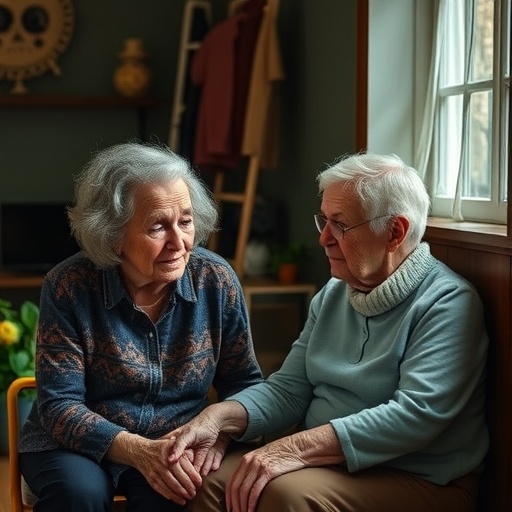
In a groundbreaking study published in Ageing International, researchers have meticulously examined the intricate dynamics of neglect among older adults, shedding light on the psychological and social factors intertwined with this pressing social issue. The study, which explores gender and residential area differences, adopts a multifaceted approach to unravel the complexities of neglect in later life, a topic that has garnered increasing attention in recent years. As the global population of older adults continues to grow, understanding the conditions that lead to neglect becomes crucial for developing effective interventions and support systems.
The research team, led by Jesus, J.C., alongside collaborators von Humboldt, S., and Soares, L., harnessed an impressive array of methodologies to diagnose the predictors of neglect in older adults. A total of 1,000 participants aged 65 and above were surveyed across diverse urban and rural settings, providing a robust sample that reflects the realities faced by older individuals today. This demographic cross-section allowed researchers to capture the varying experiences of neglect and the contextual factors that influence them.
An essential aspect of the study involves the identification of psychological predictors of neglect. The researchers delved into mental health variables such as depression, anxiety, and cognitive decline, all of which can profoundly affect the self-reported experiences of older adults. Their findings suggest a strong correlation between higher levels of psychological distress and reported instances of neglect. As mental health continues to be a critical issue in aging populations, this insight underscores the need for mental health screenings and support for older adults to mitigate the risk of neglect.
Social dynamics also play a pivotal role in the landscape of neglect among older individuals. The researchers explored factors like family structure, social support networks, and the availability of community resources. It was found that older adults with strong social ties and access to supportive services reported significantly lower instances of neglect compared to those who were isolated or lacked adequate support systems. This stark contrast unveils the importance of fostering social connections and community-based initiatives to protect vulnerable older adults from neglect.
Gender emerged as a critical factor in the analysis, revealing that older women are disproportionately affected by neglect when compared to their male counterparts. This finding aligns with previous studies indicating that women, due to societal and familial roles, often face heightened vulnerability in old age. The researchers meticulously described scenarios where older women, particularly those living alone or in shared accommodation with family, were at increased risk of neglect, intensifying the call for gender-sensitive approaches in aging policies and practices.
Furthermore, residential area differences highlighted significant disparities in the experiences of neglect. Older adults residing in urban environments frequently encountered unique challenges, such as higher living costs and social isolation, which exacerbated their vulnerability to neglect. Conversely, rural residents faced their own sets of challenges, including limited access to healthcare services and fewer community resources. By identifying how these geographical factors influence neglect, the research paves the way for tailored interventions that reflect the unique needs of different communities.
One of the most striking aspects of the study is its emphasis on preventive measures. The researchers advocate for the development of targeted programs that not only address the immediate risks of neglect but also actively work to bolster the psychological and social well-being of older adults. Community outreach initiatives that promote awareness and education about the signs of neglect and the resources available for assistance are deemed essential for fostering a proactive environment.
Moreover, the implications of this research extend beyond immediate family and local communities. Policymakers and social service organizations must take heed of these findings to reshape the framework of care for older adults. By emphasizing the interdependence of psychological and social factors, policies can be designed that enhance the resilience of older individuals against neglect and ensure their rights and dignity are upheld throughout their later years.
The intersection of neglect and aging is a complex web that demands a nuanced understanding. The research by Jesus, J.C., von Humboldt, S., and Soares, L. serves as a vital stepping stone toward better understanding the contributory factors of neglect among older adults. Their findings not only enrich the existing literature but also provide a solid foundation for future studies exploring new angles in the quest to reduce neglect and improve the lives of older individuals.
As society grapples with the implications of an aging population, it becomes increasingly essential to address the issue of neglect in a meaningful way. The insights generated from this study encourage a collaborative approach between researchers, healthcare professionals, social workers, and community leaders to create a supportive infrastructure for older adults. In doing so, it is hoped that the incidence of neglect can be significantly curtailed, allowing older persons to age gracefully with the respect, care, and attention they deserve.
In summary, the compelling findings presented in this study illuminate the intricate relationship between psychological well-being and social circumstances in the lives of older adults. By focusing on these areas, researchers have laid the groundwork for actionable strategies aimed at intervention and prevention. Moving forward, it will be vital for stakeholders across sectors to unite efforts in fostering environments that support the aging population, ultimately reshaping the narrative surrounding neglect and aging for generations to come.
Given the severity and complexity of neglect in older adults, the urgent need for comprehensive research, public awareness, and policy intervention cannot be overstated. The voices of older adults must be amplified in discourse surrounding their care and protection, ensuring that their rights and dignity remain at the forefront. The battle against neglect is just beginning, and it requires a concerted effort from all corners of society to pave the way for a brighter future for older individuals everywhere.
As we navigate the challenges of a rapidly aging society, understanding the root causes of neglect is not merely an academic endeavor but a social imperative. We owe it to the older generation to safeguard their well-being and ensure they can thrive in environments that are nurturing, respectful, and equitable. Let this study serve as a catalyst for change, inspiring conversations and actions that promote the flourishing of all older adults.
Subject of Research: Psychological and Social Predictors of Neglect in Older Adults
Article Title: Psychological and Social Predictors of Neglect in Older Adults: Insights into Gender and Residential Area Differences
Article References:
Jesus, J.C., von Humboldt, S., Soares, L. et al. Psychological and Social Predictors of Neglect in Older Adults: Insights into Gender and Residential Area Differences.
Ageing Int 50, 21 (2025). https://doi.org/10.1007/s12126-025-09594-z
Image Credits: AI Generated
DOI: 10.1007/s12126-025-09594-z
Keywords: neglect, older adults, psychological predictors, social predictors, gender differences, residential area differences
Tags: aging population challengesdemographic factors in elder careelder neglectgender differences in elder careinterventions for elderly neglectmental health and agingpredictors of elder abusepsychological factors in elder neglectpsychological predictors of neglect in older adultssocial factors affecting elder neglectsupport systems for neglected seniorsurban vs rural elder neglect



