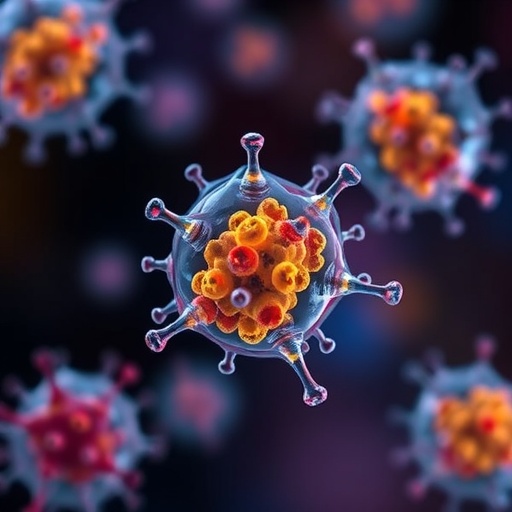
Extracellular vesicles (EVs) are emerging as pivotal components in the biology of intercellular communication, garnering increasing attention from researchers and clinicians alike. These nanoscale vesicles, ranging from approximately 30 nm to 5 µm in size, are naturally released by various cell types and play crucial roles in mediating the exchange of molecular information between cells. The contents of these vesicles are varied and complex, encompassing an array of proteins, nucleic acids, and lipids that reflect the physiological state of their originating cells. As our understanding of EV biology deepens, it is becoming clear that these vesicles hold substantial promise for therapeutic applications, potentially transforming them into novel tools for treatment strategies.
The biogenesis of EVs involves a sophisticated process where proteins and nucleic acids are selectively packaged into vesicles that bud off from the cell membrane or are released via exocytosis from intracellular endosomal compartments. The mechanisms guiding the selective sorting of cargo into EVs have been a focal point of intensive research. Recent studies have identified various molecular pathways and signaling events that dictate how specific molecules are recruited into these vesicles, reflecting the intricate regulatory networks operating within the cell. However, while the genesis of EVs is well characterized, the understanding of their uptake by recipient cells remains limited, which poses a significant challenge to harnessing EVs for therapeutic use.
Upon their release, EVs have the remarkable ability to travel through bodily fluids, potentially reaching distant tissues and acting upon recipient cells to induce phenotypic changes. This capability positions EVs as crucial mediators of intercellular communication, impacting various physiological processes and contributing to pathophysiological conditions such as inflammation, cancer, and neurodegenerative diseases. These interactions are not merely passive; rather, EVs actively engage with target cells through specific receptor-ligand interactions, endocytosis, or fusion with the recipient cell membrane. The resulting changes in the recipient cells can lead to altered functions, thereby mediating a range of biological responses.
Deciphering the mechanisms by which EVs target and influence recipient cells is a burgeoning area of research. The surface proteins of EVs and their corresponding receptors on recipient cells play vital roles in determining the specificity and strength of these interactions. Furthermore, studies have demonstrated that the lipid composition of EVs can affect their uptake and functional effects on recipient cells. By studying these molecular interactions, researchers aim to unlock the potential of EVs for drug delivery systems, using their natural targeting abilities to deliver therapeutic agents specifically to diseased cells while minimizing off-target effects.
Despite the progress made in understanding the biological functions of EVs, significant challenges remain in the realm of therapeutic application. The variability in EV composition depending on their source, coupled with the complex biological environments they navigate, complicates the predictability of their behavior in vivo. Moreover, the question of how to efficiently manipulate EVs for enhanced delivery and targeting continues to be an area of active exploration. Novel engineering techniques and biophysical methodologies are being developed to better characterize these vesicles and optimize their therapeutic potential.
The therapeutic implications of EVs span numerous disciplines, from cancer treatment to regenerative medicine. In oncology, for instance, the ability of EVs to transport oncogenic material could be leveraged for targeted therapies, while in regenerative medicine, the immunomodulatory properties of EVs derived from stem cells present intriguing possibilities for tissue repair and healing. As research progresses, the expectation is that EVs could serve as novel biomolecular platforms for drug formulation, harnessing their natural ability to facilitate intercellular communication and potentially revolutionizing current treatment paradigms.
Emerging methods in the field of nanotechnology are further expanding the horizons of EV research. Engineering EVs to carry specific therapeutic agents or modifying their surface properties to enhance targeting specificity are among the innovative strategies being explored. Such approaches aim to convert naturally occurring biological vesicles into tailored therapeutic nanocarriers, markedly increasing their efficacy and safety profiles in clinical applications. As this field of study matures, it is likely that we will witness a paradigm shift in how diseases are treated, using EVs not just as passive carriers but as active participants in therapeutic interventions.
A crucial aspect of advancing EVs for therapeutic use is understanding their intracellular fate once internalized by recipient cells. Recent research aims to delineate the pathways and mechanisms by which EVs are internalized, their subsequent trafficking within the cellular environment, and how the delivered cargo is processed. This knowledge is essential not only for predicting the therapeutic outcomes but also for addressing safety concerns regarding unwanted cellular effects that could arise from unintended cargo delivery.
To date, significant gaps remain in our comprehension of EV biology, particularly concerning their interactions at the cellular and molecular levels. By leveraging advanced imaging techniques and molecular biology tools, researchers continue to investigate how EVs exert their biological effects and the specific signaling cascades activated in recipient cells. These insights will be foundational for translating EV-based technologies into practical medical therapies, potentially unlocking new avenues for treating complex diseases.
In conclusion, the intricate biology of extracellular vesicles presents both challenges and opportunities for medical research and therapeutic development. As scientists continue to unravel the complexities of EV biology, it is becoming increasingly clear that these versatile tiny vesicles may soon play a central role in the future of medicine. By deepening our understanding of their mechanisms of action and refining our methodologies for their application, we stand on the precipice of a new era in therapeutic innovation facilitated by the remarkable properties of extracellular vesicles.
Subject of Research: Extracellular Vesicles (EVs) in Intercellular Communication and Therapeutics
Article Title: Biology and therapeutic potential of extracellular vesicle targeting and uptake
Article References:
Ripoll, L., Zickler, A.M., Vader, P. et al. Biology and therapeutic potential of extracellular vesicle targeting and uptake.
Nat Rev Mol Cell Biol (2026). https://doi.org/10.1038/s41580-025-00922-4
Image Credits: AI Generated
DOI: 10.1038/s41580-025-00922-4
Keywords: Extracellular vesicles, intercellular communication, therapeutic applications, drug delivery, cancer therapy, regenerative medicine, lipid composition, cellular uptake.
Tags: clinical implications of extracellular vesiclesEV biogenesis and cargo sortingEV research and future directionsextracellular vesicles biologyintercellular communication mechanismsmolecular pathways in EV formationnanoscale vesicles in cell signalingnovel treatment strategies using EVsregulation of vesicle releaseroles of proteins nucleic acids in EVstherapeutic applications of EVsvesicle-mediated information exchange