


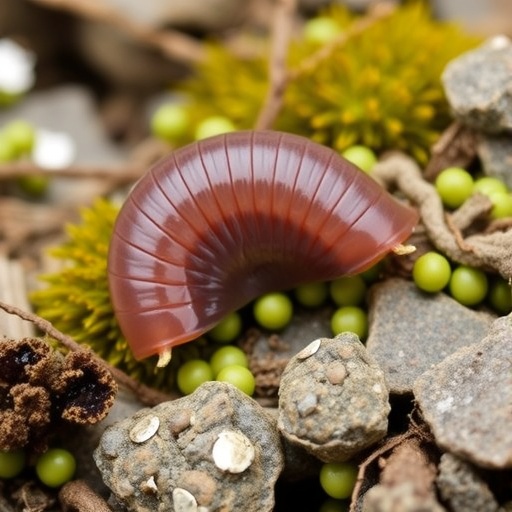
In a groundbreaking study that intertwines the realms of citizen science and systematic biology, researchers have successfully unveiled an intricate tapestry of tardigrade fauna residing in Danish cryptogams. Tardigrades, or “water bears,” are microscopic, water-dwelling animals known for their resilience and unique biological features. This research aims not only to catalog these extraordinary organisms but also to understand their ecological roles within their habitats. With an unprecedented level of participation and data collection, the project showcases the powerful synergy between professional scientists and enthusiastic amateur naturalists.
The call for citizen science was not merely a numerical exercise but a profound initiative to involve the public in scientific discovery. Volunteers from various backgrounds joined forces with researchers, gathering samples from different environments across Denmark. Their enthusiasm and dedication highlighted the untapped potential of citizen engagement in biological studies. This collaborative spirit allowed for a comprehensive survey that might not have been feasible through traditional scientific methods alone, underscoring the value of community efforts in advancing our understanding of biodiversity.
One of the major highlights of the study is the integrated taxonomic approach adopted by the researchers. This methodology combines molecular techniques with classical morphological analysis, providing a robust framework for identifying and categorizing tardigrades. While traditional taxonomy relies heavily on physical characteristics, modern advances in genetic sequencing enable researchers to unveil relationships among species that may not be visually apparent. This dual approach not only enhances the accuracy of species identification but also reveals a wealth of information about genetic diversity within populations.
Denmark, with its unique climatic conditions and diverse ecosystems, presents an ideal backdrop for studying cryptogam-dwelling tardigrades. These organisms, which often inhabit mosses, lichens, and liverworts, have adapted to thrive in microhabitats that are sensitive to environmental changes. The study reveals that variations in moisture levels, temperature, and light exposure significantly influence the composition of tardigrade communities. Understanding these dynamics is crucial for predicting how climate change might impact these fragile ecosystems in the future.
As the researchers delved deeper into the data, they discovered that certain tardigrade species exhibit remarkable resilience. Known for their ability to survive extreme conditions, some species can withstand desiccation, high radiation levels, and even the vacuum of space. This adaptability is not just a biological curiosity; it has profound implications for our understanding of life’s potential in extreme environments, including extraterrestrial habitats. Insights gained from studying these hardy creatures could one day inform our search for life beyond Earth.
The findings of this extensive sampling effort also contributed to the ongoing discussions about conservation and biodiversity. With several species being identified for the first time in Denmark, the research serves as a reminder of the hidden treasures within our natural world. Protecting these overlooked organisms and their habitats is essential not only for maintaining ecological balance but also for preserving the genetic diversity that may prove vital in the face of future challenges, including habitat destruction and climate change.
Furthermore, the study highlights the importance of interdisciplinary collaboration in modern biology. By bridging the gap between amateur naturalists and professional scientists, the project exemplifies how diverse expertise can lead to richer scientific inquiry. The researchers’ experience in working with citizen scientists has laid a foundation for future collaborations, fostering an environment where science is seen as an inclusive endeavor rather than an exclusive professional arena.
In capturing the excitement of scientific discovery, the researchers have also pointed to the educational value inherent in such projects. Participants reported increased awareness of biodiversity, ecological dynamics, and the significance of conservation efforts. By fostering a sense of stewardship among citizen scientists, such studies have the potential to cultivate a new generation of environmentally conscious individuals who are equipped to face the pressing challenges of biodiversity loss.
As the research is disseminated within the academic community and beyond, it encourages further citizen science initiatives that could replicate this model in other regions and for other taxa. The success of this study exemplifies a powerful paradigm shift in how biological research is conducted, emphasizing collaboration, community involvement, and the democratization of scientific inquiry.
Looking ahead, the implications of this research stretch far beyond Denmark. The methodologies and findings can inspire global efforts in biodiversity assessment and conservation. As the world faces unprecedented environmental change, the need for extensive biological surveys has never been more critical. Each citizen scientist contributes not just to local knowledge but to a broader understanding of ecological networks that span continents.
In conclusion, the collaborative nature of this research has ushered in a new era of biogeographical exploration. By integrating comprehensive sampling strategies with community engagement, the project not only enriches our understanding of Danish tardigrades but sets a precedent for future endeavors in biodiversity research. As new technologies continue to emerge, the synergy between citizen involvement and scientific inquiry will likely unveil even more hidden dimensions of our natural world.
The excitement generated by the collective effort of citizen involvement in science is palpable. It invites people to step outside and explore the often-overlooked microperspectives of their environment. Encouraging such an engaged citizenry cultivates societal appreciation for biodiversity and deepens the connection between humans and the natural world, proving that every individual can play a role in unveiling the mysteries of life.
The study not only enriches the scientific tapestry of Denmark but also serves as a beacon of hope for global conservation initiatives. Understanding the resilience of tardigrades and their ecological significance is crucial in safeguarding the planet’s biodiversity. Every tiny water bear tells a story of survival and adaptation, symbolizing the tenacity of life against the odds.
In conclusion, the collaborative momentum generated by this citizen science endeavor holds promising potential for the future of biological exploration. As researchers and the public continue to forge connections through shared passions, the spirit of discovery will undoubtedly flourish, illuminating the path to understanding the complex interconnections that define life on Earth.
Subject of Research: Tardigrade fauna in Danish cryptogams
Article Title: Massive citizen science sampling and integrated taxonomic approach unravel Danish cryptogam-dwelling tardigrade fauna
Article References: Gąsiorek, P., Sørensen, M.V., Lillemark, M.R. et al. Massive citizen science sampling and integrated taxonomic approach unravel Danish cryptogam-dwelling tardigrade fauna. Front Zool 21, 27 (2024). https://doi.org/10.1186/s12983-024-00547-x
Image Credits: AI Generated
DOI: https://doi.org/10.1186/s12983-024-00547-x
Keywords: Tardigrades, Biodiversity, Citizen Science, Ecology, Denmark, Taxonomy, Conservation.
Tags: amateur naturalists and sciencebiodiversity in Danish cryptogamsbiological discovery through citizen involvementcitizen science in biologycollaborative research methodscommunity engagement in scientific researchDenmark tardigrade faunaecological roles of tardigradesmolecular techniques in taxonomymorphological analysis of microorganismssystematic biology and citizen participationwater bears research study



