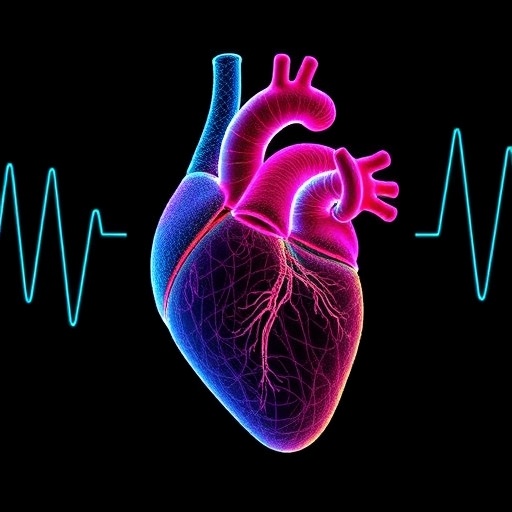
The cardiac conduction system (CCS) is an intricate and indispensable network that underpins heart function, ensuring the heart beats effectively and efficiently. Comprising specialized tissues that generate and propagate electrical impulses, the CCS orchestrates the heart’s rhythm, enabling roughly 3 billion heart beats during a human life span. Understanding the complexities of this extraordinary system has been a focal point for researchers, as dysfunctions within the CCS can lead to serious cardiac conditions, including debilitating symptoms and, in severe cases, sudden cardiac death.
The CCS is primarily composed of two types of tissue: the impulse-generating nodes such as the sinoatrial (SA) node and the atrioventricular (AV) node, which facilitate slow conduction, and the fast-conducting fibers found primarily in the ventricular conduction system. These two tissue types work in concert, where the nodes act as the heart’s natural pacemakers, setting the rhythm, while the fast-conducting fibers ensure that the impulses rapidly propagate through the heart’s chambers, leading to synchronized muscle contractions. Dysfunction in this finely-tuned balance can lead to arrhythmias, syncope—commonly known as fainting—heart failure, and increased mortality risk.
The complexity of CCS disorders calls for a multi-faceted research approach to uncover the underlying mechanisms that lead to electrical dysfunctions. Traditional treatment methods have predominantly relied on electronic pacemakers, devices designed to mimic the natural impulse generation of the heart. However, due to the limitations of these technologies, there is a growing emphasis on exploring biological alternatives that may offer better integration with cardiac tissue and spontaneous pacing capabilities.
Recent strides in genomic technologies have transformed our understanding of the CCS, enabling researchers to explore this system at the single-cell level. By leveraging single-cell genomic and transcriptomic analyses, scientists can disentangle the intricate signaling pathways and genetic variations that govern the physiology and pathology of the CCS. This level of detailed investigation allows for insights into how specific genetic mutations or expressions can disrupt normal conduction, leading to various cardiovascular ailments.
In addition to genetic studies, advances in spatial transcriptomics are providing a three-dimensional perspective on tissue architecture and cellular microenvironments within the heart. This approach enables researchers to map out the distribution of different cell types in the CCS, illuminating how local cellular contexts affect not only electrical conduction but also responsiveness to therapies. Understanding these microenvironments is crucial for developing new treatments that can effectively address CCS disorders.
The intersection of genetics, transcriptomics, and proteomics is proving to be a fertile ground for discovering novel therapeutic targets. With an ever-expanding arsenal of molecular tools at their disposal, researchers are identifying biomarkers that could better stratify patients at risk of CCS dysfunction. This information could revolutionize clinical risk assessments, allowing for timely, targeted interventions that could prevent the progression of disease.
Potential therapeutic advances include the pursuit of regenerative approaches aimed at restoring or repairing the natural function of the CCS. The concept of biological pacemakers has emerged as a compelling avenue of exploration, where cellular therapies may replace or rejuvenate malfunctioning nodes within the CCS. Early preclinical studies are showing promise, with stem cell-derived cardiomyocytes being engineered to function as pacing cells, delivering electrical impulses where traditional methods fail.
Drug discovery efforts also stand to benefit from emerging insights into CCS biology. By understanding the signaling pathways and cellular behaviors that underlie conduction disorders, pharmaceutical companies are better equipped to design drugs that can address specific components of these pathways. This precision medicine approach holds the potential to not only mitigate symptoms but also target the root causes of CCS dysfunctions, leading to more effective treatments with fewer side effects.
Additionally, ongoing research into innovative technologies aims to promote CCS regeneration and enhance heart function. Bioengineering solutions, such as cardiac patches infused with engineered cells or growth factors, present an exciting frontier in cardiac therapy. These patches could potentially repair damaged conduction pathways, restore normal heart rhythms, and even prevent the need for surgical interventions—advancements that could significantly improve patient outcomes in cases of severe CCS disorders.
As we continue to decipher the complexities of the cardiac conduction system, it is evident that we are just scratching the surface of what this field has to uncover. The synthesis of diverse research disciplines—from genetics to bioengineering—provides a robust framework for innovations that could redefine standard care in cardiology. The urgency of addressing CCS dysfunctions is underscored by the significant impact these disorders have on individual lives and public health at large.
In the coming years, the translation of research findings into clinical applications will be paramount. The integration of cutting-edge technologies with a patient-centered focus can pave the way for new strategies in assessing cardiac health, monitoring progression of conduction disorders, and ultimately heralding a new era of therapeutic options that might transform the landscape of cardiovascular medicine.
The future seems promising as researchers forge ahead with collaborative efforts, bridging knowledge gaps and addressing the pressing clinical needs associated with CCS disorders. A concerted focus on innovation, guided by insights gleaned from basic science, could pave the way for breakthroughs that will benefit countless patients struggling with cardiac conduction-related issues. The journey to unlocking the full potential of the cardiac conduction system is underway, and the implications for therapy could be groundbreaking.
By investing in this area of research, we not only seek to enhance our understanding of the heart but also strive to improve the quality of life for millions worldwide who are affected by conduction system disorders. In doing so, we may very well transform the standard of care for heart rhythm abnormalities, enabling us to shift towards a future where biotherapies, personalized medicine, and regenerative solutions are commonplace in the treatment of cardiovascular diseases.
In summary, the intricate nature of the cardiac conduction system, coupled with the powerful tools and methodologies being developed by researchers today, heralds a new dawn of understanding and therapeutic capability in cardiology. With continued investment and innovation, the hope for improved outcomes in patients suffering from CCS dysfunctions becomes not just a possibility, but an attainable reality.
Subject of Research: Cardiac Conduction System
Article Title: The Cardiac Conduction System: Development, Function, and Therapeutic Targets
Article References:
Park, D.S., Fishman, G.I. The cardiac conduction system: development, function and therapeutic targets.
Nat Rev Cardiol (2026). https://doi.org/10.1038/s41569-025-01227-x
Image Credits: AI Generated
DOI: 10.1038/s41569-025-01227-x
Keywords: Cardiac conduction system, arrhythmias, biological pacemakers, regenerative medicine, genomics, electrical conduction, heart failure, therapeutic targets, precision medicine, stem cells.
Tags: arrhythmia causes and treatmentsatrioventricular node rolecardiac conduction systemelectrical impulse propagationheart failure mechanismsheart rhythm disordersmulti-faceted treatment strategiesresearch in cardiac healthsinoatrial node functionsudden cardiac death riskstherapeutic approaches for CCS dysfunctionunderstanding cardiac electrical systems