


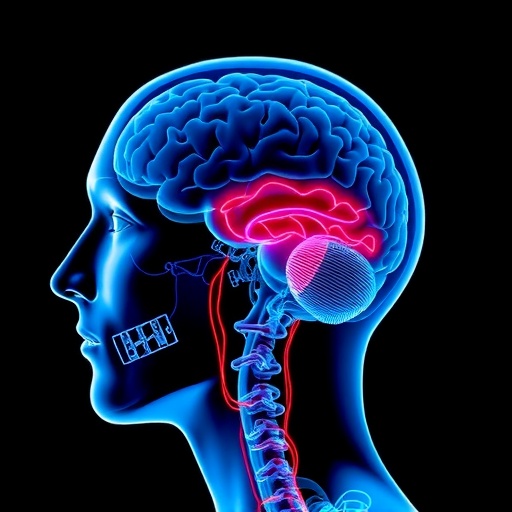
In a groundbreaking collaborative effort, leading experts in neurology and neurosurgery have released a consensus on the optimal referral criteria for Parkinson’s disease patients considered for deep brain stimulation (DBS) surgery, marking a significant milestone in the management of this complex neurodegenerative disorder. Published in the prestigious journal npj Parkinson’s Disease, the recommendations provide a comprehensive framework intended to refine patient selection, enhance surgical outcomes, and streamline multidisciplinary care pathways.
Parkinson’s disease affects millions worldwide with its hallmark manifestations of bradykinesia, tremors, rigidity, and postural instability. While pharmacological treatments have long been the standard of care, they often become insufficient as the disease progresses. For patients experiencing refractory motor fluctuations or medication-induced dyskinesias, DBS offers a neuromodulatory therapeutic avenue that targets specific brain circuits to alleviate symptoms. However, DBS is not a one-size-fits-all solution, making the selection process critical to maximizing benefit and minimizing risks.
The newly issued consensus arises from a rigorous synthesis of cutting-edge clinical research, expert clinical experience, and patient-centered considerations. Key stakeholders including neurologists, neurosurgeons, neuropsychologists, and allied health professionals contributed to a Delphi method-driven process. This approach distilled diverse insights into actionable guidelines clarifying when and how to initiate referral discussions with patients. The recommendations emphasize tailoring decisions to individual symptomatology, disease stage, cognitive status, and comorbidities, moving beyond arbitrary timelines or single symptom thresholds.
Central to the consensus is the recognition that early identification of DBS candidates is essential for improving long-term functional outcomes. Traditionally, patients have often been referred late, after significant motor disability or cognitive decline set in, which compromises therapeutic efficacy. The consensus advocates proactive screening within specialized Parkinson’s centers to capture suitable candidates during a window when neurostimulation can profoundly impact quality of life. This paradigm shift underscores the importance of ongoing education for community neurologists and primary care providers who frequently serve as gatekeepers.
A major technical advancement highlighted in the consensus involves refining preoperative evaluation protocols. Multimodal imaging techniques, including structural MRI and functional connectivity mapping, enable precise targeting of neural nuclei such as the subthalamic nucleus or globus pallidus interna. These technologies reduce intraoperative risks by improving anatomical accuracy and personalize stimulation parameters post-implantation. Furthermore, integrating wearable sensor data offers objective quantification of motor fluctuations, helping pinpoint the timing and severity of symptoms to optimize patient candidacy assessment.
Beyond motor symptoms, the guidelines pay critical attention to neuropsychological and psychiatric profiling. Cognitive impairment, impulse control disorders, and mood instability can significantly affect DBS outcomes. Thus, synchronous neuropsychological testing and psychiatric evaluation are recommended to identify contraindications and tailor perioperative management plans. The consensus also discusses emerging biomarkers and genetic profiles that might predict disease trajectory or response to DBS in the future, though validation studies remain ongoing.
Importantly, the consensus framework advocates for a multidisciplinary care team approach. Interprofessional collaboration among neurologists, neurosurgeons, neuropsychologists, nurses, physical therapists, and social workers is vital not only for candidacy assessment but also for comprehensive postoperative care. This team-based model facilitates holistic management encompassing medication adjustments, neurostimulation parameter optimization, rehabilitation, and psychosocial support, thereby maximizing long-term benefits and patient satisfaction.
The practical implications of this consensus extend to healthcare systems and policy makers as well. Standardizing referral criteria and care pathways can reduce variability in access and outcomes, ensuring equity across diverse populations. Institutions are encouraged to develop dedicated DBS programs with infrastructure for advanced diagnostics, telemedicine follow-ups, and patient education initiatives. Additionally, the guidelines propose establishing registries to systematically collect data on patient outcomes, complications, and quality of life indicators, fostering continuous improvement.
Technologically, emerging innovations such as closed-loop DBS systems and adaptive neurostimulation are on the horizon and may further transform the referral landscape. The consensus acknowledges these developments and calls for ongoing research to define indications and timing for next-generation devices. Moreover, the guidelines emphasize ethical considerations related to informed consent and decision-making autonomy, advocating transparent communication about expected benefits, risks, and uncertainties.
In conclusion, the consensus expert recommendations delineate a refined, evidence-based roadmap for referring Parkinson’s disease patients for DBS surgery that integrates advanced neuroscience with patient-centered care. By articulating when, how, and in whom DBS should be considered, this landmark document seeks to optimize therapeutic outcomes, reduce health disparities, and stimulate innovation in the evolving field of neurostimulation. As DBS continues to mature from an experimental procedure to a cornerstone of Parkinson’s disease management, these guidelines offer a vital compass for clinicians navigating the complex interplay of disease biology, technology, and human experience.
The publication is poised to catalyze a paradigm shift in clinical practice and health policy, encouraging neurologists worldwide to adopt more nuanced, proactive approaches to DBS referral. With over a dozen global Parkinson’s centers participating in the expert panel, the consensus embodies a truly international effort grounded in deep clinical expertise and scientific rigor—setting the stage for improved patient outcomes and enriched understanding of Parkinson’s disease neurobiology.
Ultimately, the new consensus not only empowers clinicians but also inspires hope among patients and families confronting the challenges of Parkinson’s disease. It champions the transformative potential of precision medicine through neuromodulation and exemplifies how multidisciplinary collaboration can unlock new horizons in neurotherapeutics. As research continues to unravel the complexities of Parkinson’s pathophysiology, these expert recommendations offer a robust, adaptable framework ensuring that DBS therapy is delivered to those who stand to gain the most—at the right time, in the right way.
Subject of Research: Expert consensus on referral criteria for deep brain stimulation in Parkinson’s disease
Article Title: Consensus expert recommendations for referral of Parkinson’s disease patients for deep brain stimulation surgery
Article References:
Safarpour, D., Spindler, M., Turner, T.H. et al. Consensus expert recommendations for referral of Parkinson’s disease patients for deep brain stimulation surgery. npj Parkinsons Dis. (2026). https://doi.org/10.1038/s41531-025-01241-3
Image Credits: AI Generated
Tags: clinical research on Parkinson’s diseaseexpert consensus on DBS referralimproving outcomes in Parkinson’s DBS surgerymanaging refractory motor fluctuationsmedication-induced dyskinesias in Parkinson’smultidisciplinary care in Parkinson’s diseaseneurology and neurosurgery collaborationneuromodulation in Parkinson’s treatmentoptimal criteria for Parkinson’s DBSParkinson’s disease deep brain stimulation referral guidelinespatient selection for DBS surgerytailored treatment approaches for Parkinson’s



