A Novel Intervention Enhances Functionality and Reduces Care Time in Dementia Patients through Combined Exercise and Nutrition
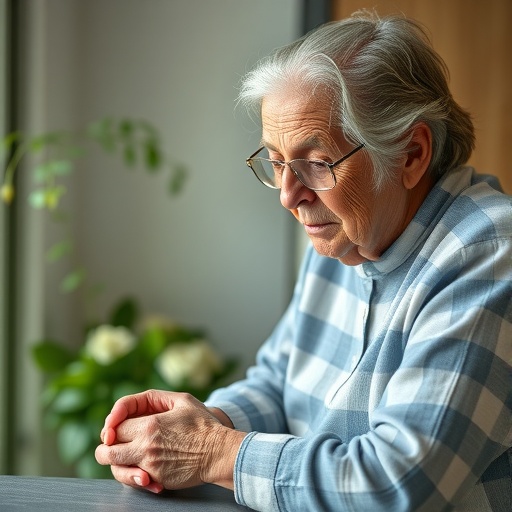
Dementia, a chronic neurodegenerative condition characterized by progressive cognitive decline, significantly diminishes quality of life and autonomy among older adults. Recent scientific investigations spearheaded by Karolinska Institutet reveal a promising strategy that could mitigate some of these debilitating effects by targeting physical health parameters commonly compromised in dementia sufferers. This intervention integrates structured daily physical exercise with consumption of protein-enriched nutritional supplements, demonstrating marked improvements not only in muscle strength and nutritional status but crucially, in the level of independence retained by institutionalized dementia patients.
The prevalence of malnutrition, sarcopenia, and frailty is notably elevated among elderly residents in long-term care facilities, contributing to increased dependency and higher healthcare burdens. These factors synergistically undermine physical function, a cornerstone for maintaining autonomy in activities of daily living (ADLs). The OPEN study, an extensive clinical trial previously assessing functional outcomes, has now provided additional insights by retrospectively assessing how such interventions correlate with caregiver time expenditure, an indirect yet critical measure of residents’ independence.
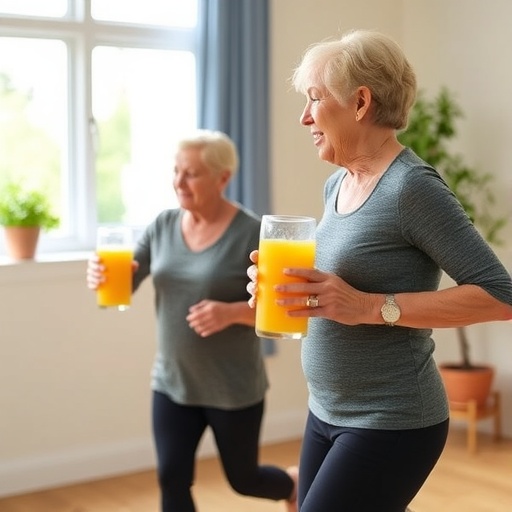
A cohort of 102 participants from eight Stockholm-based nursing homes was enrolled. The intervention design mandated residents to engage in multiple daily sessions of standing exercises aimed at enhancing muscle activation and balance. Concurrently, participants consumed one to two protein-fortified nutritional drinks daily, focusing on counteracting malnutrition and promoting anabolism. This dual approach leverages the anabolic synergy between exercise-induced muscle protein synthesis and dietary protein availability, crucial for muscle maintenance and functional rehabilitation in the elderly.
Throughout a 12-week period, comprehensive observational metrics were collected contrasting the intervention group to controls. These included performance-based assessments of mobility and strength, as well as qualitative evaluations of dependency in ADLs such as personal hygiene, dressing, and ambulation. Intriguingly, aggregated analyses across all wards showed ambiguous differentiation between groups. However, stratification by ward type revealed a statistically significant trend among participants housed in dementia-specific care units.
Patients within dementia wards who adhered to the exercise and nutrition protocol manifested notable enhancements in physical capabilities, translating to diminished reliance on caregiver assistance. Quantitative reductions in daily care hours were observed, suggesting an augmented capacity for self-management in routine tasks. This outcome is particularly compelling given the generally progressive nature of functional decline in dementia, and highlights the potential for targeted rehabilitative strategies to alter this trajectory.
Researcher Anders Wimo hypothesizes that this differential effect may stem from the relatively preserved physical baseline among residents in dementia wards, facilitating a greater magnitude of functional gain. This baseline status potentially enables more effective engagement with the intervention, emphasizing the importance of personalized approaches in therapeutic program design. The data underscore how physical condition constitutes a pivotal determinant of rehabilitation efficacy within cognitively impaired populations.
Supplementary qualitative data extracted from prior sub-studies involving participant and caregiver interviews support the quantitative findings, illustrating that improved functional status may reduce caregiver workload and potentially enhance caregiving quality. These subjective insights further corroborate the notion that physical health directly interfaces with cognitive and psychosocial dimensions in dementia care.
Caution is warranted in interpreting these results due to the secondary nature of the analysis and the complex interplay of confounding factors inherent in institutional care environments. Notably, organizational variables such as staffing ratios, care routines, and environmental stimuli were not exhaustively controlled or monitored, representing critical parameters for future research designs aiming to isolate intervention effects.
Advocating for more rigorous prospective studies, the research team calls for trials where caregiver time is explicitly designated as a primary outcome, coupled with stringent controls over institutional variables. Such designs would allow definitive attribution of observed benefits to the exercise and nutrition intervention, facilitating evidence-based implementation in clinical practice.
The interdisciplinary study was conducted by a collaborative team from Karolinska Institutet and Stockholms Sjukhem, underscoring the value of cross-sectoral partnerships in advancing geriatric research. Funding was provided by the Gamla Tjänarinnor Foundation and Danone Nutricia Research, the latter supplying the nutritional supplements but abstaining from involvement in data analysis or study design, thereby maintaining scientific independence.
No conflicts of interest were disclosed beyond one author’s proprietary interest in the measurement instrument employed, ensuring transparency and integrity in the research dissemination. This openness is essential for fostering trust and uptake of findings within the wider scientific and clinical communities.
If these preliminary findings are replicated in larger and more diverse cohorts, this low-cost, non-pharmacological intervention could revolutionize care paradigms for institutionalized dementia patients, enhancing autonomy, reducing caregiver burden, and ultimately improving health-related quality of life metrics. The interplay of exercise physiology and nutritional science thus emerges as a potent axis for innovation in dementia care strategies.
Subject of Research:
The impact of combined physical exercise and protein-enriched nutritional supplementation on functional ability and caregiver time in institutionalized older adults with dementia.
Article Title:
Impact of an exercise and nutrition program on caregiver time with residents in institutional care—A secondary analysis
News Publication Date:
14-Feb-2026
Web References:
10.1002/alz.71198
Image Credits:
Photo: Christina Busck / Karolinska Institutet
Keywords:
Older adults, Nutrition, Physical exercise, Dementia, Malnutrition, Sarcopenia, Caregiver time, Institutional care, Anabolic intervention, Functional independence
Tags: caregiver burden reduction strategiescombined exercise and nutrition therapydementia care interventionsenhancing independence in dementiaexercise programs for dementia patientsimproving muscle strength in dementianutritional status in long-term care residentsnutritional supplements for elderlyphysical function in neurodegenerative diseasesprotein-enriched nutritional drinksreducing care needs in dementiasarcopenia management in elderly