


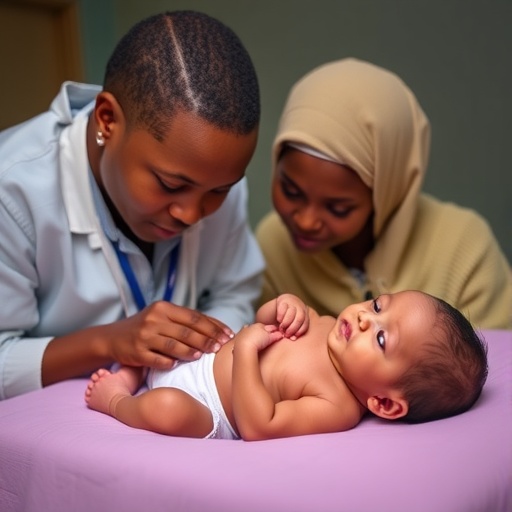
In the realm of pediatric medicine, one condition that has recently attracted significant attention is neonatal brachial plexus injury (NBPI). This condition, which primarily affects newborns, occurs when the brachial plexus—a network of nerves that controls arm and hand movement—sustains damage during birth. A notable study conducted by Sangano and Mukaruzima sheds light on the profiles and rehabilitation strategies associated with NBPI at two selected hospitals in Rwanda. The findings from this research provide critical insights into the condition, its impact on infants, and the approaches taken to rehabilitate affected children.
As newborns are delivered, they may encounter various risks, and NBPI is one of the more severe consequences that can occur, especially during complicated deliveries involving shoulder dystocia. This injury happens when there is excessive pulling on the infant’s head during childbirth, which can stretch or tear the brachial plexus nerves. The implications of this injury can be profound, potentially leading to long-term disabilities in motor function, thereby affecting the quality of life of the infant as they grow. Thus, understanding the characteristics and rehabilitation methods for NBPI is critical for improving neonatal healthcare practices.
Sangano and Mukaruzima’s study meticulously examines the incidence and characteristics of NBPI in two Rwandan hospitals. Their research aims to highlight the demographics of affected newborns, including factors such as maternal age, mode of delivery, and any associated obstetric complications. The authors reveal that certain maternal characteristics may influence the risk of their child sustaining this injury. By analyzing birth records and interviewing parents, they hope to create a comprehensive profile that can aid in identifying at-risk populations, which is essential for preventative measures and early interventions.
The rehabilitation process for infants with NBPI is an area of crucial interest as it directly impacts recovery and development. The study explores various rehabilitation techniques employed in the selected hospitals, underscoring the importance of early intervention. Physical therapy is highlighted as a cornerstone of rehabilitation, with strategies tailored to enhance mobility and promote the functional recovery of the affected limb. Through a combination of passive and active exercises, therapists aim to restore nerve function and improve muscle strength.
In addition to physical therapy, parental involvement plays a vital role in the rehabilitation process. The authors emphasize the need for educating parents about the condition and incorporating home exercises that reinforce the therapy received in clinical settings. Families are encouraged to become advocates for their children, engaging in activities that promote reaching and grasping to foster motor development. Constant communication between healthcare providers and families is essential, as it creates a supportive environment for nurturing the child’s recovery journey.
As part of their research, Sangano and Mukaruzima also investigate the psychological and social dimensions of living with NBPI. Beyond the physical challenges, children with this condition may face emotional and social hurdles as they grow older. The study highlights the importance of a multidisciplinary approach that includes psychological support for both the child and family, ensuring that they are equipped to handle the complexities of their situation. Mental health considerations are paramount, as they can also influence physical healing and development.
An essential aspect of the authors’ findings is the cultural context of Rwanda and how it shapes responses to NBPI. They delve into societal perceptions and stigmas that may affect families with disabled children, and they raise awareness of the necessity for community support systems that can help these families navigate challenges. Community engagement and awareness are critical components in fostering an inclusive environment where children with NBPI can thrive.
The researchers advocate for policy changes that would improve healthcare systems in Rwanda, particularly regarding the management of NBPI. They call for enhanced training for healthcare professionals to recognize and address this condition effectively. By developing standardized protocols for assessment, intervention, and follow-up care, healthcare providers can ensure that all infants receive timely and appropriate treatment, minimizing the long-term impact of NBPI.
In a broader context, this study serves as a call to action for increased research funding and resources directed towards neonatal injuries. The authors articulate a vision for a future where the longstanding taboo surrounding disabilities, particularly in developing nations, is dismantled. They believe that by raising awareness and prioritizing the needs of children with NBPI, we can create a more equitable healthcare landscape.
The implications of this research extend beyond Rwanda, as they contribute to a growing body of literature on neonatal brachial plexus injury globally. The findings can inform best practices in other regions facing similar challenges, encouraging healthcare systems worldwide to reevaluate their strategies for managing NBPI. Sangano and Mukaruzima’s work underscores the need for a global collaboration to improve the health outcomes of vulnerable populations.
As the study is published in BMC Pediatrics, it invites further discourse and research on NBPI. Researchers and clinicians are encouraged to build upon these findings, conducting longitudinal studies to better understand the long-term effects of NBPI and the efficacy of various rehabilitation strategies. The significance of this work cannot be overstated, as it underscores the importance of targeted research in informing clinical practices and enhancing patient care.
In closing, the examination of neonatal brachial plexus injury in Rwanda serves as a vital contribution to our understanding of this condition. Through the collaborative efforts of researchers, healthcare providers, families, and communities, strides can be made in improving outcomes for affected infants. The journey toward refining care practices continues, fueled by the shared commitment to the health and well-being of our youngest populations.
Subject of Research: Neonatal Brachial Plexus Injury Rehabilitation
Article Title: The profile and rehabilitation of neonatal brachial plexus injury in two selected hospitals, Rwanda
Article References:
Sangano , B., Mukaruzima, L. The profile and rehabilitation of neonatal brachial plexus injury in two selected hospitals, Rwanda.
BMC Pediatr (2026). https://doi.org/10.1186/s12887-025-06434-6
Image Credits: AI Generated
DOI:
Keywords: Neonatal Brachial Plexus Injury, Rehabilitation, Pediatric Medicine, Rwanda, Physical Therapy, Early Intervention, Community Support, Healthcare Policy
Tags: brachial plexus nerve damageimpact of NBPI on infantsincidence of NBPI in Rwandalong-term disabilities in newbornsmotor function rehabilitationneonatal brachial plexus injuryneonatal healthcare improvementpediatric medical researchpediatric rehabilitation strategiesrehabilitation methods for infantsRwanda healthcare practicesshoulder dystocia complications



