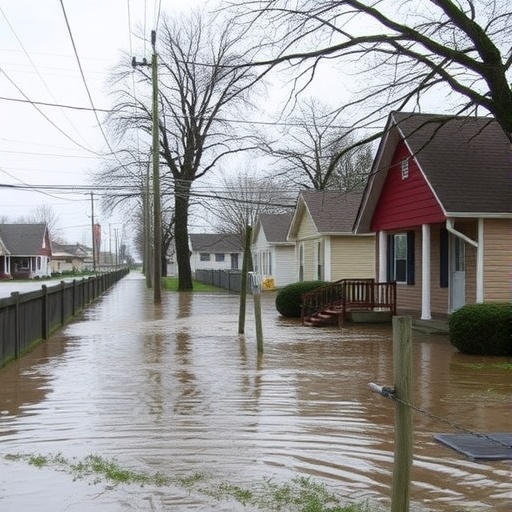
In the face of climate change, the frequency and intensity of flood-induced disasters are escalating, placing vulnerable populations at great risk. A recent study led by Del Prete, Valente, and Mitiku Saji, published in BMC Health Services Research, meticulously explores how specific demographics face heightened dangers during these catastrophic events. The authors delve into the complexities surrounding evacuation procedures, highlighting the nuanced challenges encountered by individuals in vulnerable positions. Such in-depth scrutiny is crucial for developing strategies that can effectively safeguard those most at risk.
Floods can be devastating both in terms of immediate destruction and longer-term consequences, manifesting in health complications, loss of property, and mental health crises. The study primarily emphasizes the interplay between an individual’s circumstances—whether they be socioeconomic status, health conditions, or geographical location—and their associated vulnerability to flood-induced disasters. Those with fewer resources or preexisting health conditions find themselves disproportionately affected when disasters strike, often exacerbating existing inequalities.
The comprehensive scoping review draws upon existing literature and data to collate evidence regarding the characteristics of at-risk individuals. The methodology employed in the study not only catalogs the types of vulnerabilities present but also seeks to understand the overarching themes that connect them. This systematic approach sheds light on the multifaceted nature of vulnerability, which is not merely a binary condition but exists along a spectrum affected by several factors.
Another critical component of the study investigates evacuation challenges. The literature showcases that effective evacuation protocols are often hampered by a lack of accessible communication, cultural misunderstandings, and logistical barriers. As the study identifies, many affected individuals may lack the necessary information to evacuate or may face hurdles such as impaired mobility, language barriers, or mistrust in authorities. These obstacles can prevent timely evacuation, which is crucial for ensuring safety during an unforeseen emergency.
Furthermore, the study emphasizes the need for inclusive disaster management policies. As flood risks continue to rise, it is essential that government agencies and organizations tailor their response strategies to meet the specific needs of vulnerable groups. This means moving beyond a one-size-fits-all approach to disaster response and engaging in community-centric planning. By fostering collaborations with local organizations, agencies can build trust and identify the unique needs of different populations.
The research also highlights that the psychological impact of floods extends beyond immediate loss and trauma. Individuals residing in disaster-prone areas frequently experience chronic stress and anxiety associated with the fear of potential floods, which can lead to long-term mental health issues. The authors argue for integrating mental health resources into disaster preparedness initiatives, ensuring that psychological support is as prioritized as physical safety measures.
Public health frameworks emerge as another significant theme within the research. The connection between public health and disaster management is essential for minimizing the health impacts of floods on vulnerable populations. Implementing proactive health strategies can help mitigate risks and promote resilience in the face of natural disasters. These strategies may include vaccination campaigns to prevent outbreaks or access to clean water, which becomes a critical issue post-flood.
Del Prete and his colleagues urge for interdisciplinary approaches that incorporate insights from various fields, such as sociology, psychology, and environmental science. Understanding vulnerability is a complex task that requires synthesizing knowledge from different domains to form holistic solutions that address the various dimensions of such challenges.
The study’s authors also point out that technological advancements can play an instrumental role in improving evacuation efficiency. The rise of mobile communication technology and social media can be leveraged to disseminate crucial information quickly and effectively. By engaging with these tools, communities can enhance their disaster readiness and encourage proactive participation in safety measures.
In conclusion, the findings from Del Prete et al.’s study present vital insights into the nuanced challenges faced by at-risk individuals during flood-induced disasters. The research offers a call to action for policymakers, urging them to consider the diverse factors that contribute to vulnerability in order to develop effective and inclusive disaster response and evacuation protocols. This imperative becomes even more critical as climate-related events become more frequent and severe, necessitating an immediate reevaluation of current practices.
The recommendations laid out in the review will undoubtedly fuel ongoing discussions among health professionals, emergency managers, and community organizers. By prioritizing the voices of vulnerable populations in disaster planning and response, we can work towards creating a more equitable society where every individual feels safeguarded, regardless of their circumstances.
The essence of disaster preparedness is resilience, emphasizing the importance of not only responding to floods but taking proactive steps to prevent loss of lives and minimize suffering. By investing in community education, mental health resources, and adaptive technologies to aid in communication, we can improve our collective ability to respond to the inevitable challenges that climate change presents.
With the insights gained from this comprehensive review, it is clear that a collaborative approach towards understanding and mitigating vulnerability to flood-related disasters is imperative. It necessitates a commitment at all levels—from individual communities to national governments—to integrate knowledge, resources, and strategies that can ultimately lead to a safer and more resilient future.
Subject of Research: Vulnerability to flood-induced disasters and evacuation challenges
Article Title: Understanding vulnerability to flood-induced disasters: a comprehensive scoping review on at-risk individuals and evacuation challenges
Article References:
Del Prete, C., Valente, M., Mitiku Saji, A. et al. Understanding vulnerability to flood-induced disasters: a comprehensive scoping review on at-risk individuals and evacuation challenges.
BMC Health Serv Res (2025). https://doi.org/10.1186/s12913-025-13898-w
Image Credits: AI Generated
DOI: 10.1186/s12913-025-13898-w
Keywords: Flood disasters, Vulnerability, Evacuation challenges, Public health, Community preparedness, Mental health, Disaster management
Tags: at-risk populations in flood situationsdemographics and flood riskevacuation challenges during floodsevidence-based flood response strategiesflood vulnerability assessmenthealth complications from floodingimpact of climate change on floodinginequalities in disaster managementmental health effects of natural disasterssocioeconomic factors in disaster responsestrategies for flood disaster preparednesssystematic review of flood vulnerabilities