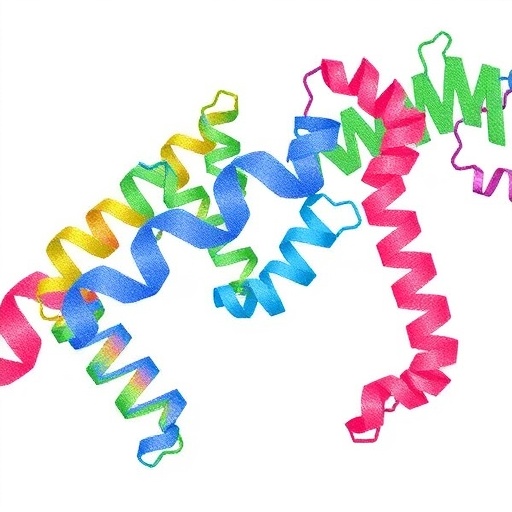
Engineering synthetic intrinsically disordered proteins (synIDPs) has emerged as a transformative approach in the realm of synthetic biology and biotechnology. Traditionally, proteins are known to possess a stable, folded structure that is essential for their functionality. However, intrinsically disordered proteins exhibit a unique ability to exist in a dynamic, unstructured state, which allows them to interact with a variety of cellular partners in a highly flexible manner. This intrinsic flexibility enables synIDPs to modulate cellular processes and facilitate biomolecular condensation—an essential mechanism underlying various biological phenomena, such as signal transduction and stress response.
Despite the substantial potential of synIDPs, the complexity of their design remains a significant challenge. This complexity largely stems from the limited understanding of how sequence-dependent interaction cooperativity influences the functional outcomes of synIDPs within cellular environments. The interplay between sequence, structure, and phase behavior is intricate, necessitating a robust design framework to optimize synIDPs for specific applications in living cells. The breakthrough presented in recent research offers a systematic directed evolution approach, allowing for the fine-tuning of synIDPs that can mediate a diverse array of phase behaviors and thermoresponsive functionalities.
The systematic approach to directed evolution establishes a powerful toolbox for engineering synIDPs. By leveraging the diverse functionalities offered by the evolved proteins, researchers can create synthetic condensates that mimic natural phase-separated compartments within cells. This method of selection incorporates various biochemical and biophysical techniques to explore the vast sequence landscape of synIDPs. Through iterative rounds of mutation and selection, researchers can isolate variants with enhanced properties, leading to the emergence of synIDPs capable of exhibiting distinct phase transition behaviors.
One of the most remarkable facets of the directed evolution strategy is its versatility in producing synIDPs with thermoresponsive features. This characteristic enables these proteins to respond to temperature fluctuations, resulting in phase separations that can be finely tuned. Such temperature-sensitive synIDPs hold immense potential for applications in protein circuits, where thermoregulation can be harnessed to control intracellular protein activity. By creatively employing these engineered proteins, scientists can design sophisticated biomolecular devices that respond to environmental changes, thereby allowing for more precise regulation of cellular processes.
Another significant innovation emerging from this research is the reverse-selection method that enables the use of synIDPs as solubility tags. Protein solubility is a critical factor that can greatly influence the yield and functionality of recombinant proteins in biotechnological applications. By selecting synIDPs that promote enhanced solubility, researchers can tackle the perennial problem of protein aggregation, ensuring that target proteins remain in a functional state within the cellular environment. This innovative approach not only broadens the scope of applications for synIDPs but also addresses a critical bottleneck in protein engineering.
The implications of this work extend far beyond basic biochemistry; it encompasses applications in synthetic biology that aim to engineer cellular systems for improved functioning in various biotechnological contexts. The potential to reverse antibiotic resistance through synthetic circuits powered by engineered synIDPs exemplifies how this research can contribute to pressing global health challenges. By modulating the interactions and functionalities of proteins within cellular systems, researchers can develop novel strategies to combat antibiotic-resistant pathogens.
This directed evolution framework serves as a robust platform for further explorations into the realm of synthetic biology. The engineered synIDPs offer a myriad of applications, ranging from regulating metabolic pathways to designing new therapeutic modalities. By systematically exploring the sequence-function relationships underlying synIDPs, scientists can continue to enhance their design capabilities, pushing the boundaries of what is possible in the field of protein engineering.
What is particularly exciting about this research is that it does not merely scratch the surface of protein functionality but delves into the intricate molecular dynamics at play. Understanding how different amino acid sequences impact the cooperative behavior of synIDPs will illuminate new avenues for engineering proteins that can undergo complex phase transitions. This level of insight represents a paradigm shift in how researchers approach protein design, with potential implications for numerous fields, including drug design, cellular engineering, and synthetic metabolism.
As the field moves forward, the availability of a diverse toolbox of engineered synIDPs will empower researchers to innovate at an unprecedented scale. These advancements will catalyze the development of highly specific protein circuits capable of responding intelligently to a range of stimuli. The integration of synthetic biology with engineered proteins, particularly synIDPs, promises to bridge the gap between fundamental research and practical applications.
In conclusion, the directed evolution of functional intrinsically disordered proteins signifies an important leap in our ability to harness the power of synthetic biology. By developing a systematic approach to evolve synIDPs with desired phase behaviors and thermoresponsive traits, we gain critical insights into their mechanistic roles within cellular frameworks. The potential applications of engineered synIDPs—including their role in reversing antibiotic resistance and regulating intracellular activity—illustrate the transformative impact of this research on both basic and applied sciences.
As we embark on this new frontier of protein engineering, the implications for health, biomanufacturing, and environmental sustainability are boundless. The ongoing exploration of synIDPs not only expands our understanding of protein science but also invites unprecedented opportunities to engineer living systems for the betterment of society. The journey of optimizing these remarkable proteins is just beginning, paving the way for future breakthroughs in biotechnology.
Subject of Research: Directed evolution of synthetic intrinsically disordered proteins (synIDPs) for phase behavior regulation and antibiotic resistance reversal.
Article Title: Directed evolution of functional intrinsically disordered proteins.
Article References:
Ma, Y., Yang, L., Chen, Y. et al. Directed evolution of functional intrinsically disordered proteins.
Nat Chem Biol (2026). https://doi.org/10.1038/s41589-025-02128-3
Image Credits: AI Generated
DOI: https://doi.org/10.1038/s41589-025-02128-3
Keywords: synthetic biology, intrinsically disordered proteins, directed evolution, protein engineering, phase behavior, antibiotic resistance, thermoresponsive synIDPs, protein solubility, synthetic circuits.
Tags: biomolecular condensation mechanismscellular process modulationchallenges in protein designdirected evolution of proteinsflexible protein interactionsoptimizing disordered proteins for applicationsphase behavior in proteinsprotein engineering techniquessequence-dependent interaction cooperativitysynthetic biology applicationssynthetic intrinsically disordered proteinsthermoresponsive protein functionalities