


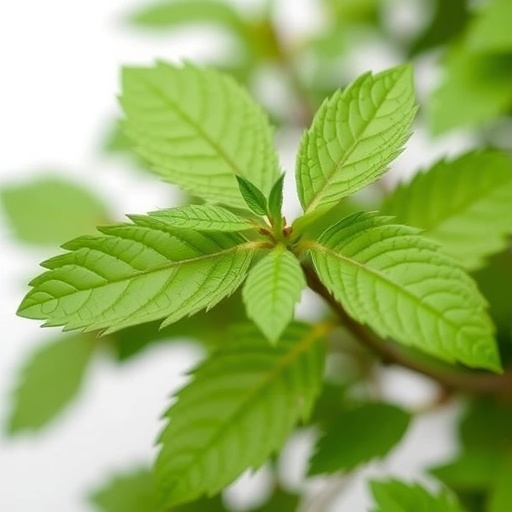
The Compelling Promise of Urtica dioica: Unveiling the Potentials of Stinging Nettle Extracts
In an era where natural remedies are increasingly taking center stage in the realm of health and wellness, the spotlight has turned towards Urtica dioica, commonly known as stinging nettle. This perennial plant, which has long been harnessed for its medicinal properties, is now subject to a rigorous comparative analysis, shedding light on the nuanced chemistry and biology encapsulated within its extracts. Researchers in a pioneering study have meticulously explored and compared extracts obtained through methanol and hexane, focusing on their multifaceted roles as antioxidants, cytotoxic agents, apoptotic facilitators, and antimicrobial warriors.
Understanding the intricacies of Urtica dioica begins with its rich biochemical composition. The plant is a treasure trove of phytochemicals, including flavonoids, tannins, and phenolic compounds, all of which contribute to its medicinal efficacy. Researchers embarked on an in-depth extraction process using methanol and hexane, each solvent exerting different properties that could potentially impact the chemical makeup of the end product. By analyzing the extracts through advanced chromatographic techniques, the team aimed to delineate the unique benefits and applications of each solvent-extracted formulation.
The evaluation of antioxidant capacity was one of the foremost objectives of the study. Oxidative stress, characterized by excessive free radicals and insufficient antioxidants, has been linked to a myriad of health issues, including heart disease and cancer. A comprehensive analysis was performed on both extracts to unveil their capacity to combat these oxidative agents. The results illuminated a promising trend; the extracts exhibited remarkable radical scavenging activity, suggesting that Urtica dioica could serve as a potent natural antioxidant, capable of mitigating oxidative stress in biological systems.
The study did not stop at antioxidants; the team also delved into the cytotoxic effects of the extracts. Cancer, a leading cause of death globally, has motivated researchers to explore alternative therapies, particularly those derived from natural sources. Both methanol and hexane extracts were subjected to cytotoxic assays against several cancer cell lines. The findings were telling, revealing that the extracts possessed varying degrees of cytotoxicity. This indicates a potential for stinging nettle extracts to be harnessed in developing new anti-cancer treatments that could complement or enhance existing therapies.
Apoptosis, or programmed cell death, is a critical mechanism in maintaining cellular homeostasis and eliminating damaged cells. Disrupted apoptotic pathways can lead to various diseases, including cancer. The exploration of apoptotic potentials of Urtica dioica extracts provided an intriguing insight into their therapeutic applications. The study outlined the mechanisms through which these extracts prompted apoptotic processes in cancerous cells, signaling their potential role as adjunct therapies in oncology.
Moreover, the antimicrobial potentials of Urtica dioica were rigorously assessed. With the rise of antibiotic resistance posing a significant challenge to public health, natural antimicrobial agents are urgently sought. The extracts were tested against a range of pathogenic microorganisms, including bacteria and fungi. Remarkably, both extracts displayed notable antimicrobial efficacy, suggesting that Urtica dioica could be a valuable player in the search for new antimicrobial solutions. The versatility of the plant’s extracts positions them as contenders against persistent infections that traditional antibiotics struggles to combat.
In addition to their health implications, the research also highlighted the ecological aspects of Urtica dioica. As a plant that thrives in various habitats, it serves not only medicinal but also ecological functions. The study advocated for sustainable harvesting and utilization of this plant, emphasizing the need to balance industrial demand with conservation. This approach ensures that the traditional knowledge surrounding Urtica dioica remains part of modern scientific inquiry, fostering a deeper respect for natural biodiversity.
The implications of these findings extend into potential applications far beyond pharmacology. The robust antioxidant and antimicrobial properties could revolutionize the food industry, where natural preservatives are in demand. Urtica dioica extracts could find their place as a natural food additive, prolonging shelf life while ensuring consumer safety with fewer synthetic alternatives. As the appetite for organic and clean-label products grows, incorporating stinging nettle extracts may provide a marketable edge for food producers.
While the study presents promising data, it also underscores the necessity for continued research to fully elucidate the mechanisms of action underlying the plant’s myriad effects. In vitro studies, like the ones conducted, lay the groundwork, but transitioning to in vivo studies will be essential to understand the complex interactions within living organisms. The journey of Urtica dioica from traditional use to contemporary science is a testament to the vast potential dormant in nature’s pharmacy.
The popularity of natural products always hinges on public perception and awareness. A campaign to raise awareness about the health benefits of Urtica dioica could help bridge the gap between traditional knowledge and modern scientific validation. Social media platforms, blogs, and community workshops could serve as effective venues for disseminating this knowledge, potentially leading to a resurgence in the use of this remarkable plant.
In conclusion, the comparative evaluation of Urtica dioica extracts sets a new benchmark for the study of medicinal plants. The results herald a future where nature’s bounty not only coexists with but actively contributes to modern medicine. With ongoing research, Urtica dioica could emerge as a cornerstone in the quest for effective natural treatments, heralding an era where the wisdom of ancient herbal practices meets cutting-edge scientific inquiry.
As the interest in medicinal plants continues to burgeon, Urtica dioica stands out as a prime candidate for future exploration. This research offers a dual narrative—one that appreciates the historical significance of the plant while simultaneously seeking to unlock its potential in contemporary health care. The findings advocate for a holistic approach, where ecology, tradition, and modern science converge in a quest for global health solutions.
As we look to the future, the story of Urtica dioica reminds us that healing can be found in the humble plants around us, each holding untapped secrets waiting to be deciphered by curious minds devoted to advancing human health through innovative and responsible methods.
Subject of Research: Comparative chemical and biological evaluation of Urtica dioica extracts
Article Title: Comparative chemical and biological evaluation of Urtica dioica extracts obtained by methanol and hexane: antioxidant, cytotoxic, apoptotic, and antimicrobial potentials.
Article References:
Uğur, Y., Menevşe, İ.N., Dündar, M. et al. Comparative chemical and biological evaluation of Urtica dioica extracts obtained by methanol and hexane: antioxidant, cytotoxic, apoptotic, and antimicrobial potentials. BMC Complement Med Ther (2025). https://doi.org/10.1186/s12906-025-05211-3
Image Credits: AI Generated
DOI: 10.1186/s12906-025-05211-3
Keywords: Urtica dioica, stinging nettle, antioxidant, cytotoxic, apoptotic, antimicrobial, natural remedies, medicinal plants, phytochemicals.
Tags: advanced chromatographic techniques in herbal researchantimicrobial properties of stinging nettleapoptotic facilitators in natural remediescomparative analysis of plant extractscytotoxic effects of Urtica dioica extractshealth benefits of stinging nettleherbal extracts in wellnessmethanol vs hexane extraction methodsnatural remedies for oxidative stressphytochemical composition of Urtica dioicastinging nettle antioxidant effectsUrtica dioica medicinal properties



