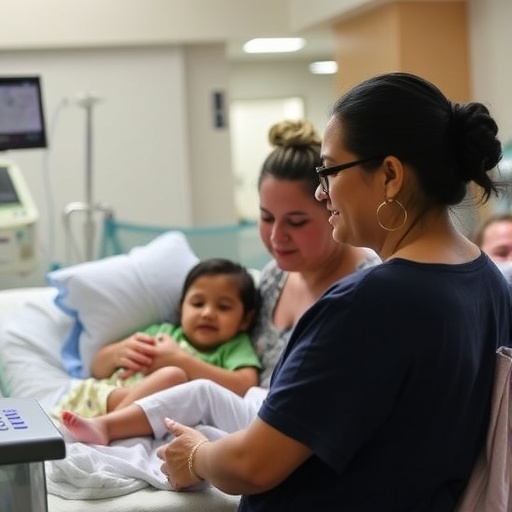
In a groundbreaking study conducted in Djibouti, researchers have embarked on a thorough examination of the patient safety culture among nurses in various healthcare settings. This comprehensive multicentric research aims to shed light on an often underestimated aspect of healthcare— the environment in which medical professionals operate and how it affects patient care. As the focus shifts increasingly toward quality and safety in healthcare delivery, the importance of understanding safety culture cannot be overstated. Nurses, being on the front lines of patient interaction, play a crucial role in shaping this culture.
The study highlights a critical gap in existing literature regarding patient safety culture in the context of Djibouti. Limited research has been conducted in this geographic region, which raises questions about the generalizability of findings from other contexts. By focusing on nurses, the research addresses a vital sector of the healthcare workforce. The authors hypothesize that the perceptions of patient safety among nurses in Djibouti are influenced by various factors, including organizational policies, available resources, and overall working conditions.
Through robust methodology, this multicentric study gathers data from multiple healthcare facilities across Djibouti, ensuring a comprehensive representation of the nursing workforce. The research not only aims to ascertain the present state of safety culture but also seeks to identify the underlying reasons that contribute to it. The study’s findings are expected to reveal significant insights into how the nursing profession views patient safety and whether existing policies align with best practices.
Data collection involved structured surveys administered to nurses, allowing researchers to assess their attitudes towards patient safety and the systems that support or hinder such practices. The survey’s design was meticulously crafted to encapsulate various aspects of safety culture, including teamwork, communication, and error reporting. Each dimension offers a lens through which to evaluate nurses’ experiences and perceptions, providing a nuanced understanding of the interplay between safety culture and effective patient care.
The study pays particular attention to the elements of teamwork and communication, recognizing these as cornerstone attributes of an effective safety culture. In environments where nurses feel comfortable communicating concerns about safety, adverse events can often be minimized. Conversely, when communication is stifled or ineffective, the risk to patients increases. By probing these dimensions, the research explores how institutional culture influences nurses’ willingness to report safety concerns or near misses.
Moreover, the methodological rigor of this study employs both qualitative and quantitative approaches, enriching the findings. The qualitative data from open-ended survey questions allows for deeper insights and narratives that quantitative data alone may not reveal. This mixed-methods approach enables a fuller understanding of the complexities surrounding patient safety culture and helps to corroborate statistical findings with personal stories and experiences from frontline nurses.
The implications of the study’s findings extend beyond mere academic interest; they have potential real-world applications that could revolutionize healthcare practices in Djibouti and similar contexts. By illuminating the current state of safety culture, the research can inform policy recommendations aimed at enhancing nursing education, improving health systems, and ultimately fostering safer patient care environments.
In the backdrop of global healthcare improvement initiatives, this study aligns with broader efforts to promote a culture of safety across disciplines. It contributes to an increasingly vital discussion within healthcare reform, which seeks to prioritize patient safety and improve health outcomes. The research acts as a call to action for stakeholders, including hospital administrators, policymakers, and educators, to reflect on the adequacy of their current practices regarding safety culture.
Addressing patient safety is a complex challenge that requires a multifaceted approach, and this study underscores the need for sustained investment in both human and infrastructural resources. As nurses continue to navigate the challenges of their profession, the findings emphasize the need for systemic change that supports not only their well-being but also the safety and care of the patients they serve.
As awareness around patient safety increases, the Djibouti study serves as a valuable contribution to the global discourse surrounding healthcare quality. The lessons learned from the perceptions of nurses could resonate with healthcare professionals worldwide who strive to create safer environments. Understanding the dynamics of safety culture in nursing is integral to promoting practices that prioritize patient-centered care and prevent adverse outcomes.
In conclusion, as the healthcare landscape continues to evolve, the study on patient safety culture among nurses in Djibouti offers critical insights that will help shape future approaches to safety and quality in healthcare. Its findings underscore the necessity of prioritizing communication and teamwork, as well as fostering an environment where nurses feel empowered to voice their concerns. The commitment to enhancing patient safety culture is not only imperative for the healthcare community in Djibouti, but it also serves as a model for countries everywhere, illustrating that the path toward safer healthcare begins with understanding and addressing the experiences of those on the frontline.
The journey toward improved patient safety is ongoing, and studies like the one conducted by Saleh et al. illuminate the path forward. By evaluating and addressing the nuances of safety culture, nursing professionals can be better equipped to provide high-quality care, ensuring that patient safety remains at the forefront of healthcare priorities.
Subject of Research: Patient Safety Culture Among Nurses
Article Title: Assessment of patient safety culture among nurses in Djibouti: a multicentric study
Article References:
Saleh, K., Zahra, B.F., Chaima, F.F. et al. Assessment of patient safety culture among nurses in Djibouti: a multicentric study.
BMC Nurs (2026). https://doi.org/10.1186/s12912-025-04276-2
Image Credits: AI Generated
DOI: 10.1186/s12912-025-04276-2
Keywords: Patient safety, safety culture, nursing, healthcare, Djibouti
Tags: comprehensive study of nursing practicesDjibouti healthcare research gapsfactors influencing patient safety perceptionshealthcare environment and patient outcomesimpact of working conditions on nursesimportance of safety culture in nursingmulticentric healthcare research Djiboutinurses’ safety culture in Djiboutinursing workforce perceptions of safetyorganizational policies in healthcarepatient care quality and safetypatient safety culture in healthcare