


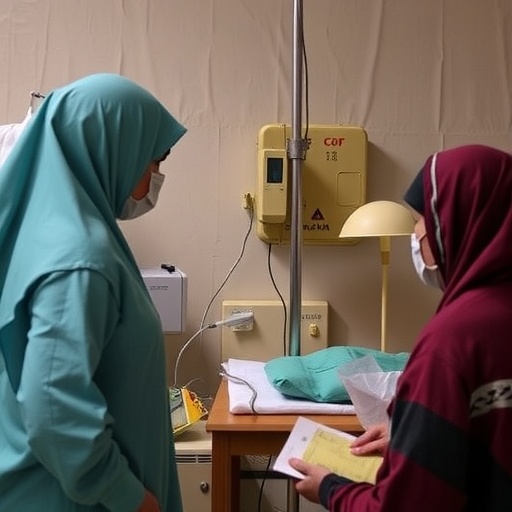
In the wake of devastating conflict, the reconstruction of health systems becomes an urgent necessity, particularly in regions like the Damascus Governorate in Syria, which has faced significant turmoil over the past decade. A pioneering study conducted by Kaddah, Alkhouri, and Alkhalaf assessed the readiness of the health system in this ravaged area, unveiling crucial insights into the challenges and opportunities facing healthcare providers. Their research, meticulously structured as a cross-sectional study, shines a light on the resilience and vulnerabilities of public health infrastructure in post-conflict scenarios.
This study stands out as one of the first comprehensive assessments of health system readiness in the post-conflict context of Damascus. By focusing on key indicators of health service availability and access, the researchers provide a detailed overview of how the healthcare landscape has evolved since the cessation of large-scale hostilities. The findings underscore the critical need for a systematic approach in rebuilding health facilities and training healthcare personnel to restore essential services to the population.
A central theme of the research is the examination of the health workforce. The study reveals a significant gap in trained professionals due to the mass exodus of healthcare workers during the conflict. Many medical practitioners fled the country, leading to a precarious shortage of skilled personnel. This shortage poses a direct threat to the quality of care available to displaced populations and those returning to their communities.
Moreover, the study offers an analysis of the structural health system elements, including the availability of essential medicines and diagnostic services. Many facilities struggle with bare-bones supplies and inadequate medical equipment, which compromises their ability to provide basic and emergency care. The report highlights how international aid and local initiatives have played a pivotal role in attempting to fill these gaps but emphasizes that much work remains to be done.
Infrastructure conditions require extensive attention as well. Many health facilities have been either destroyed or damaged due to conflict. Rehabilitation of hospitals and clinics is paramount, not only for restoring physical health but also for instilling trust and confidence in the healthcare system among returnees. The researchers advocate for concerted efforts to ensure that health facilities are not only rebuilt but optimized to prevent future vulnerabilities, such as potential outbreaks of communicable diseases.
Funding avenues present another critical piece of this puzzle. The study reviews the financial landscape surrounding health services in the Damascus Governorate and identifies problems arising from insufficient funding. It notes that external support, particularly from international NGOs, has been vital, though sustainability remains a concern. The need for a cohesive financial strategy that integrates local, national, and international resources is essential for long-term health system resilience.
Furthermore, the report identifies best practices from other post-conflict nations that successfully navigated similar challenges. Learning from the experiences of countries that have undergone reconstruction can provide invaluable lessons for Syrian health authorities as they design their recovery strategies. This comparative perspective not only enriches the discourse on health reconstruction but serves to inspire innovative approaches to rebuilding health systems.
The role of community engagement in health system recovery is also underscored. The study argues that empowering local populations and involving them in planning and implementation phases can lead to more sustainable health solutions. When communities participate actively, there is a greater likelihood of acceptance and utilization of health services, ultimately enhancing recovery efforts.
In terms of health policy implications, the authors call for robust governance structures that facilitate coordination among various stakeholders in the health sector. Establishing clear communication channels among government entities, NGOs, and community leaders can create a unified front in health system rebuilding efforts. Without cohesive governance, the risk of fragmented services that fail to meet the needs of the population remains high.
The cross-sectional design employed by the researchers inherently captures a snapshot perspective, which is both a strength and a limitation of the study. While it provides immediate insights into health system readiness, it also calls for longitudinal studies to track progress over time. Continuous evaluation and monitoring will be necessary as the healthcare landscape evolves in response to ongoing recovery and potential future challenges.
Moreover, an analysis of health information systems reveals critical data deficiencies that hinder effective decision-making. Accurate and timely health data is essential for understanding population needs, allocating resources appropriately, and informing policy development. The researchers stress the importance of investing in health information infrastructure to enable better analytics and improved health outcomes.
As the study concludes, it paints a nuanced picture of the health system’s readiness for reconstruction in post-conflict Damascus. While challenges abound in workforce sustainability, infrastructure recovery, and financial viability, there exists a framework for informed action. The call for comprehensive assessments, community involvement, and strategic funding underscores the complexity of health system recovery in conflict-affected zones.
In a broader context, this study serves as a catalyst for further exploration into health systems in other post-conflict regions. The lessons learned from Damascus can inform strategies in similar locales, helping to establish a global repository of knowledge aimed at improving health services in crisis-affected areas.
The researchers’ work is not just a study; it is a clarion call for action—a reminder that the health security of populations in conflict zones must not be an afterthought. Only by prioritizing the rebuilding of health systems can we ensure that the resilience of communities prevails, and their health needs are met in the long run.
Subject of Research: Health system readiness for reconstruction in post-conflict settings.
Article Title: Assessing health system readiness for reconstruction in post-conflict Damascus Governorate, Syria: a cross-sectional study.
Article References:
Kaddah, M., Alkhouri, I., Alkhalaf, E. et al. Assessing health system readiness for reconstruction in post-conflict Damascus Governorate, Syria: a cross-sectional study.
BMC Health Serv Res (2026). https://doi.org/10.1186/s12913-026-14015-1
Image Credits: AI Generated
DOI:
Keywords: Health system reconstruction, post-conflict health, Syria healthcare, community engagement, health workforce, infrastructure recovery, funding strategies.
Tags: cross-sectional study on health servicesDamascus healthcare assessmenthealth system readiness evaluationhealthcare service availability in conflict zonesimpact of conflict on healthcare accessinsights into post-conflict health recoverypost-conflict health system reconstructionpublic health infrastructure vulnerabilitiesrebuilding healthcare facilities in Syriaresilience of health systems post-conflictSyrian health workforce challengestraining healthcare personnel in Syria



