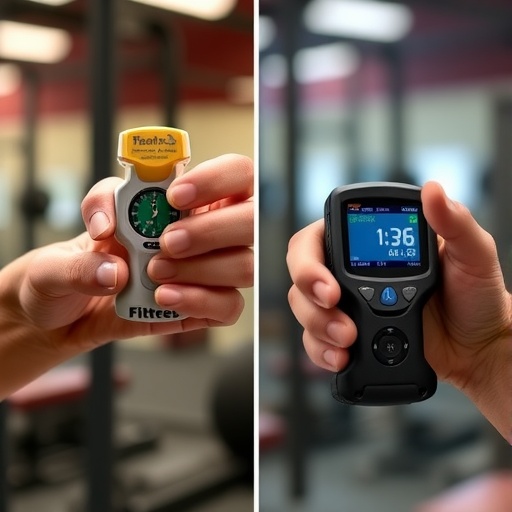
In a recent study published in BMC Geriatrics, researchers have ventured deep into the realms of handgrip strength assessments, focusing on two prevalent methods: the digital dynamometer and the Martin vigorimeter. Handgrip strength is not just a measure of physical capability; it has profound implications for predicting overall health, functional independence, and mortality, especially in geriatric populations. The choice of assessment tool can significantly affect the accuracy of strength measurements and consequently the reliability of the prognostic conclusions drawn from them.
The study, led by Luo et al., involves a comprehensive comparison of the digital dynamometer and the Martin vigorimeter, examining their reliability, agreement in measurements, and overall prognostic value in a diverse sample of elderly participants. This research is particularly crucial given the aging global population and the need to enhance methods for evaluating physical health in older adults. Accurate assessment can guide healthcare providers in determining necessary interventions and track the efficacy of treatments over time.
As populations age, the preservation of physical strength becomes increasingly important. Handgrip strength, specifically, serves as a powerful indicator of muscle integrity and has been linked to various health outcomes. In fact, numerous studies have shown that lower handgrip strength is associated with higher rates of morbidity and increased mortality. This makes the quality of the measuring tools even more critical, as discrepancies in readings could lead to misinterpretations of a patient’s health status.
The digital dynamometer is a modern tool that employs electronic measurement to provide precision in handgrip assessments. By utilizing advanced technology, it offers features such as digital readouts and the ability to store data for future reference. This tool aims to eliminate human error associated with manual readings, ensuring clinicians receive accurate measurements. In contrast, the Martin vigorimeter, a more traditional instrument, has been widely used for decades and is renowned for its robustness and simplicity, yet it lacks some of the sophisticated functionalities of its digital counterpart.
In the clinical trial, participants were subjected to assessments using both methods to glean insights into how closely the two tools correlate with one another. The study found that while both instruments are generally reliable, subtle differences in readings were observed. This raises essential questions for clinicians regarding which tool might be preferable when evaluating an individual’s handgrip strength, particularly in settings where precision is crucial.
One remarkable aspect of this study is its attention to the practicality of each device in a real-world clinical setting. The researchers noted that while the digital dynamometer provided superior accuracy in measurements, it also comes with considerations regarding cost and training requirements for proper use. Therefore, while the electronic device offers significant advantages in terms of reliability, accessibility and ease of use remain important factors to consider.
Furthermore, the study evaluated the prognostic value associated with each device. Researchers aimed to determine whether one tool offers a clearer picture of future health outcomes than the other. As healthcare systems globally strive to enhance population health management, understanding the prognostic implications of these assessments is invaluable in tailoring interventions and allocating resources effectively.
For many clinicians, selecting the right tool is critical to maintaining the validity of their assessments. The potential for diagnostic divergence between the devices could lead to markedly different treatment plans and, consequently, different health outcomes for patients. The findings of the study advocate for a careful consideration of technology in clinical practice, especially when decisions about elderly patients’ health are at stake.
Moreover, the implications extend beyond mere strength measurements. As the research highlights, the method of assessment could influence broader health policies, shaping how healthcare systems allocate resources to support aging populations. Policymakers may need to consider adopting standardized assessment protocols to enhance comparability in studies and clinical practices across different regions.
In conclusion, the work by Luo, Chen, and Lian et al. addresses a critically important facet of geriatric healthcare – the reliable assessment of handgrip strength, which holds significant implications for health outcomes. As the evidence mounts regarding the relationship between muscular strength and health, understanding which tools offer the highest accuracy and prognostic value could pave the way for improved patient care strategies. The debate between utilizing sophisticated digital tools versus traditional methods is not just about devices; it encapsulates a broader discourse on how technology can assist in enriching the quality of care delivered to older adults.
As we move toward a more age-inclusive society, such research is indispensable for ensuring that older adults maintain their autonomy and health, allowing them to live fulfilling lives well into their later years. The advancements in measuring devices could drive a better understanding of strength-related health outcomes, ultimately reshaping how we view and treat aging in contemporary healthcare.
Subject of Research: Handgrip strength assessment methods in geriatric populations.
Article Title: Comparing the digital dynamometer and Martin vigorimeter for handgrip strength: reliability, agreement, and prognostic value.
Article References:
Luo, S., Chen, X., Lian, R. et al. Comparing the digital dynamometer and Martin vigorimeter for handgrip strength: reliability, agreement, and prognostic value.
BMC Geriatr (2025). https://doi.org/10.1186/s12877-025-06895-5
Image Credits: AI Generated
DOI: 10.1186/s12877-025-06895-5
Keywords: handgrip strength, digital dynamometer, Martin vigorimeter, reliability, prognostic value, geriatric assessments.
Tags: accuracy in strength measurement techniquesaging population health assessmentsdigital dynamometer vs vigorimeterevaluating physical health in older adultsgeriatric health and physical independencehandgrip strength assessment methodshealthcare interventions for elderlyimplications of handgrip strength on mortalitymeasuring handgrip strength in elderlymuscle integrity and health outcomesprognostic value of handgrip strengthreliability of strength measurement tools