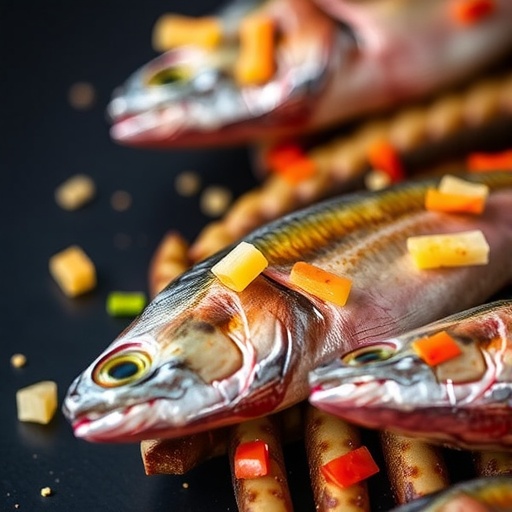
In recent years, the global push towards sustainability has heightened the focus on waste valorization, particularly in the food industry. Among the various food waste materials, fish by-products, especially those from sardines, have emerged as potential resources for creating high-value ingredients. Researchers are keen on exploring enzymatic hydrolysis as a sustainable method to extract nutrients and bioactive compounds from these by-products, potentially transforming waste into a valuable product. The study titled “Sustainable Valorisation of Sardine By-Products through Enzymatic Hydrolysis: Nutritional and Bioactive Characterization of Protein Hydrolysates” heralds a significant step in this direction, providing insights that could spearhead innovation in food processing sectors.
Sardines are a popular fish species, known for their nutritional advantages, including high omega-3 fatty acid content and protein richness. However, the processes of capturing, processing, and selling sardines generate a considerable volume of by-products, which can often be discarded as waste. This not only raises environmental concerns but also represents a missed opportunity for tapping into their nutritional and economic potential. The new research investigates how the application of enzymatic processes could effectively convert these discarded parts into usable protein hydrolysates, thus contributing to an eco-friendlier food system.
The enzymatic hydrolysis process employed in the study involves using specific enzymes to break down proteins into smaller peptides and amino acids. This technique not only enhances the nutritional profile of the sardine by-products but also improves their functional properties, making them suitable for various applications in food and health sectors. Proteins are crucial for numerous bodily functions, and extracting them efficiently from fish by-products can offer health benefits to consumers while promoting sustainable practices within the industry.
Moreover, the protein hydrolysates obtained from sardine by-products are rich in bioactive components that possess antioxidant properties, which can further enhance their appeal in health-oriented food products. These bioactive peptides have been linked to various health benefits, such as improving cardiovascular health and boosting immunity. By tapping into these compounds, the research opens up a dialogue about their potential role in functional foods, which is a rapidly growing sector in nutrition science and gastronomy.
Additionally, the research conducted by Machado and colleagues delves deeper into the nutritional composition of the protein hydrolysates. It emphasizes the presence of essential amino acids, highlighting how these by-products can serve as an alternative protein source for various populations, including those looking for sustainable dietary options. This is particularly pertinent as the demand for plant and marine-based proteins continues to rise amid shifting dietary trends.
The researchers employed various enzymatic treatments on sardinelo by-products, analyzing how different enzymes influence the degree of hydrolysis and the resultant properties of the protein hydrolysates. This intricate examination not only underscores the efficacy of enzymatic hydrolysis but also points to the adaptability of the process based on the desired end product. These findings could guide further studies in optimizing hydrolysis conditions for maximum yield and functionality.
In addition to the nutritional and bioactive analysis, the study also explores the sensory attributes of the hydrolysates. Understanding how these by-products can be incorporated into food products while maintaining desirable taste and texture is crucial. The researchers conducted trials to assess how consumers perceive the flavors and sensory qualities of foods enriched with sardine protein hydrolysates, setting the stage for potential commercial applications.
The implications of this research extend beyond individual health benefits. By valorizing sardine by-products, there lies an opportunity to develop more sustainable food production systems. The transformation of waste into high-value products not only supports environmental sustainability but also strengthens economic conditions within coastal communities reliant on fishing. As the industry shifts towards more responsible practices, this innovation stands to enhance the livelihood of local fishers and bolster the economy through the creation of new markets.
While the study provides promising insights, it also acknowledges the challenges associated with implementing these processes in a commercial setting. Regulatory frameworks regarding product safety and labeling present hurdles that must be navigated to ensure consumer trust. Education also plays a significant role in encouraging widespread adoption of products derived from fish by-products, necessitating a concerted effort across stakeholders in industry, academia, and policy to promote awareness of their nutritional benefits.
As interest in sustainability continues to rise among consumers, the focus on using by-products in food production could lead to a paradigm shift in how we perceive waste materials. This groundbreaking research on enzymatic hydrolysis contributes to the larger narrative of sustainable food systems, underscoring how innovation can turn perceived waste into valuable commodities.
Ultimately, the study represents a crucial step towards a circular economy in the seafood industry—one where by-products are no longer seen as waste but as resources with significant potential. By unlocking the nutritional and functional benefits of sardine by-products through scientific exploration, we not only address pressing environmental concerns but also pave the way for healthier food options for consumers globally. The momentum generated by this research could inspire further investigations into other fish by-products, broadening the horizons for sustainable practices in the marine food industry.
As the food industry grapples with increasing pressure to reduce waste and pursue sustainable practices, the findings of this research promise to ripen into pivotal strategies to achieve those goals. Enzymatic hydrolysis could very well become a cornerstone in the movement to harness the full potential of marine resources, fostering a food system that prioritizes both health and environmental considerations as we navigate an uncertain future.
In conclusion, the study sets a solid foundation for future research into the valorization of fish by-products. It is a testament to the innovative spirit driving sustainability in food science, encouraging an ongoing conversation about how we can rethink waste and focus not just on sustainability but also on improving the nutritional outcomes for global populations.
Subject of Research: Sustainable valorization of sardine by-products through enzymatic hydrolysis.
Article Title: Sustainable Valorisation of Sardine By-Products through Enzymatic Hydrolysis: Nutritional and Bioactive Characterization of Protein Hydrolysates.
Article References:
Machado, M., Costa, E., Silva, S. et al. Sustainable Valorisation of Sardine By-Products through Enzymatic Hydrolysis: Nutritional and Bioactive Characterization of Protein Hydrolysates. Waste Biomass Valor (2026). https://doi.org/10.1007/s12649-025-03464-0
Image Credits: AI Generated
DOI: https://doi.org/10.1007/s12649-025-03464-0
Keywords: Enzymatic hydrolysis, sardine by-products, sustainable food systems, protein hydrolysates, bioactive compounds, waste valorization, nutrition, marine resources.
Tags: bioactive compounds from sardineseco-friendly food processing methodsenvironmental impact of fish processingenzymatic hydrolysis for fish by-productsfish industry sustainabilityinnovative food ingredient developmentnutritional value of sardine wasteomega-3 fatty acids in fishprotein hydrolysates from fishsardine by-products utilizationsustainable food waste valorizationwaste-to-value in food production