


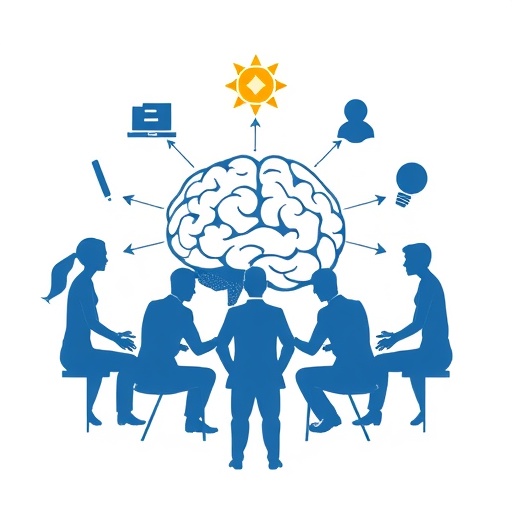
In a groundbreaking study, researchers led by Nikolaisen, Arntzen, and Eliassen explore the transformative potential of team-based long-term rehabilitation for brain injury victims in the remote landscapes of North Norway. This research, soon to be published in BMC Health Services Research, delves into the intricacies of how collaborative approaches can revolutionize the recovery process for individuals afflicted by brain injuries, an often-overlooked area in healthcare. The team has meticulously crafted a comprehensive framework that not only paves the way for innovative treatment options but also promotes a higher quality of life for patients.
The significance of this study cannot be understated, particularly in a region where access to specialized medical services can be limited due to geographical challenges. North Norway, characterized by its dramatic terrain and sparse population density, frequently presents unique logistical hurdles for healthcare providers. The researchers advocate for a model where a diverse team of medical professionals comes together to create a more inclusive rehabilitation journey. Their hypothesis is rooted in the understanding that multifaceted care addresses the complex needs of brain injury patients, which often extend beyond mere physical healing.
Central to the research is the concept of collaborative care, which hinges on the seamless integration of various healthcare disciplines. The pioneers of this study argue that traditional rehabilitation often isolates various therapeutic modalities, which can unintentionally hinder a patient’s recovery. By employing a team-based approach, patients have access to a continuum of care that includes neuropsychologists, physiotherapists, occupational therapists, and social workers, each contributing their expertise to create a tailored rehabilitation plan. This model strives to engage patients not only in their physical recovery but also in cognitive, emotional, and social well-being.
Importantly, the research highlights the psychological impact of team-based rehabilitation. Brain injury survivors often face daunting emotional and mental hurdles that can impede their recovery process. The interconnectedness of emotional support and physical rehabilitation is emphasized throughout the study. By fostering a cohesive team environment, patients can feel empowered to navigate their rehabilitation journey, alleviating feelings of isolation and anxiety that frequently accompany their condition. The study suggests that enhanced communication between the patient and the healthcare team can significantly elevate motivation levels, leading to improved outcomes.
Furthermore, this research brings to light the need for personalized care strategies. Unlike a one-size-fits-all approach, the team-based model advocates for individualized treatment plans that cater to patients’ specific circumstances, conditions, and preferences. By prioritizing patient-centered care, the rehabilitation process is not merely medical but also greatly considers the psychosocial elements that may affect a patient’s recovery. This holistic view recognizes that brain injuries can manifest differently in individuals, demanding that care be as diverse as the population it serves.
One of the most compelling aspects of this research is the focus on training and integration of team members. The authors underscore the importance of having well-coordinated training programs that prepare healthcare professionals for effective collaboration. This input is particularly relevant in light of rapid advancements in rehabilitation technologies and methodologies. By ensuring that all members of the team are aware of their roles and responsibilities, as well as having a shared understanding of goals and objectives, the likelihood of achieving optimal patient outcomes increases exponentially.
As the researchers conducted their investigation, they also collected qualitative data through patient interviews, providing a deeper understanding of the lived experiences of brain injury survivors. This perspective offers invaluable insights into how individuals perceive their rehabilitation journey, the challenges they face, and the types of support they value the most. Distilling these narratives showcases the human element of rehabilitation, emphasizing that behind every medical statistic is a story of resilience and hope.
In addition, the team sought to analyze the logistical frameworks required to implement this team approach effectively. Identifying potential barriers—such as funding, workforce shortages, and varying levels of training among professionals—was paramount in the study. The researchers argue that addressing these obstacles will be crucial in fostering an environment that promotes team-based rehabilitation as a standard practice rather than an exception. Advocating for policy change and increased funding for multidisciplinary rehabilitation programs will be essential in aligning practice with this innovative approach.
The findings from this study stand as a beacon of hope for brain injury communities, particularly in underserved areas. Drawing on case studies, the researchers demonstrate how team-based methodologies have yielded promising results in various healthcare systems around the world. These examples provide a template for North Norway to tailor its services to suit local needs while also learning from global best practices. Such adaptations can ultimately drive systemic change within healthcare networks, facilitating improved care for one of society’s most vulnerable populations.
Ultimately, this research not only sheds light on the effectiveness of team-based rehabilitation but also raises essential questions about the future of healthcare for brain injury survivors. As we navigate an ever-evolving landscape of healthcare, the push for collaborative models continues to gain traction across disciplines. Events such as patient-centered care initiatives, technology integration, and interdisciplinary training for healthcare professionals exemplify a shift toward a more connected and holistic approach to recovery.
The research by Nikolaisen, Arntzen, Eliassen et al. serves as a clarion call to rethink brain injury rehabilitation, urging healthcare systems worldwide to consider how best to integrate a team-oriented strategy into existing practices. As this study heads toward publication, the medical community and policymakers alike will eagerly await its implications, contemplating how to leverage this knowledge to reshape the rehabilitation experience for brain injury patients everywhere.
Through detailed analysis, patient feedback, and logistical considerations, this research acts not only as a foundation for future studies but also as a call for actionable change. Implementing team-based rehabilitation strategies could ultimately redefine what recovery looks like for those facing the long and often arduous journey following a brain injury.
The implications of this study extend beyond the immediate healthcare landscape; they resonate with the broader societal context. It emphasizes the importance of support networks and collaborative efforts in all areas of healthcare. The success of rehabilitation for brain injury survivors signifies a crucial acknowledgment of the interconnectedness of care, where professionals and patients work together toward a common goal. As these teams begin to take shape across North Norway and beyond, the day may soon arrive when long-term recovery no longer feels like a solitary journey, but rather a collective triumph celebrated by all those involved.
Subject of Research: Team-based long-term brain injury rehabilitation
Article Title: ‘I imagine teams!’ – exploring the potential of team-based long-term brain injury rehabilitation in North Norway
Article References:
Nikolaisen, M., Arntzen, C., Eliassen, M. et al. ‘I imagine teams!’ – exploring the potential of team-based long-term brain injury rehabilitation in North Norway.
BMC Health Serv Res (2025). https://doi.org/10.1186/s12913-025-13894-0
Image Credits: AI Generated
DOI:
Keywords: Team-based rehabilitation, brain injury, patient-centered care, interdisciplinary approach, North Norway, recovery process, mental health, healthcare integration.
Tags: brain injury recoverycollaborative healthcare modelsgeographical barriers in healthcareinclusive rehabilitation practicesinnovative treatment frameworkslong-term rehabilitation strategiesmultidisciplinary medical teamsNorth Norway healthcare challengespatient-centered care approachesquality of life for brain injury patientsteam-based rehabilitationtransformative healthcare solutions



