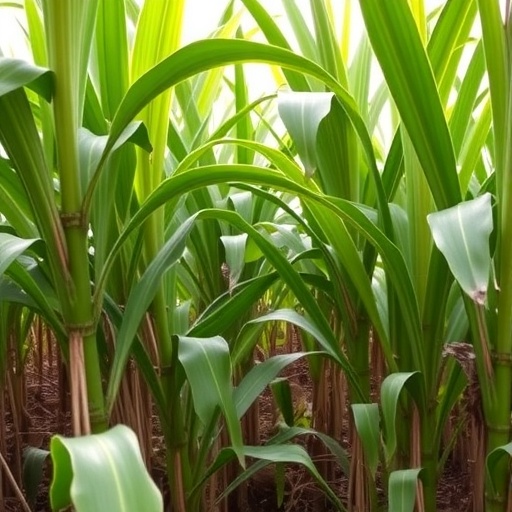
In a groundbreaking study that could reshape agricultural practices in sugarcane cultivation, researchers have demonstrated an innovative approach to selecting high-yielding sugarcane ideotypes through multi-trait selection using a method known as MGIDI. This technique, which stands for Multi-Objective Genetic Improvement of Diverse Ideotypes, has been shown to significantly enhance both sugar quality and overall yield across different harvesting periods. As global demand for sugar continues to rise, the findings from this research are especially pertinent.
The research paper authored by Barajehfard, Fazli, Fooladvand, and others is set to be published in the renowned journal Scientific Reports in 2026. The authors have meticulously researched the genetic and phenotypic diversity of sugarcane to select traits that contribute to yield improvements. The authors’ commitment to developing a comprehensive understanding of sugarcane genetics represents a paradigm shift in the selection processes traditionally used in crop improvement.
One of the most compelling aspects of this research is the application of MGIDI across varying harvesting periods. Traditionally, sugarcane is harvested at specific times to optimize sugar content. However, this study investigates the effects of selecting for traits that are beneficial across different harvesting periods. By broadening the focus of selection criteria, the researchers have found that it is indeed possible to elevate yield levels without sacrificing the quality of sugar produced.
The methodology employed in the study is intricate and involves cross-breeding multiple sugarcane cultivars. These cultivars were chosen for their unique traits, including resilience to pests and diseases, growth rate, and sugar content. The authors highlight that this multi-trait selection approach is essential for achieving desired results under the diverse environmental conditions that sugarcane crops face globally.
Data gleaned from field trials reveals that sugarcane ideotypes selected using MGIDI not only yield more but also boast superior sugar quality. The researchers reported significant improvements in both sucrose concentration and overall biomass, with data indicating a marked increase in performance metrics. Moreover, the ability to harvest across periods without losing quality allows farmers to respond more flexibly to market demands.
Another noteworthy finding from the study is the profound implications for sustainability in sugarcane farming. By optimizing the selection process, the researchers have made strides towards reducing the environmental footprint associated with sugar production. The enhanced yield from improved ideotypes means that less land may be needed to produce the same quantity of sugar, addressing concerns over deforestation and land degradation.
As climate change continues to impact agricultural outputs around the world, the need for resilient crop varieties has never been more urgent. This research aligns with the global push for food security by ensuring that farmers can continue to produce high yields of high-quality sugarcane, even in the face of adversities like drought or soil degradation.
The researchers also emphasize the importance of genetic diversity in breeding programs. Utilizing a diverse gene pool increases resilience against various threats while simultaneously allowing for targeted trait selection. This understanding marks a shift from the conventional methods that often relied heavily on a limited number of elite varieties. Genetic diversity not only supports yield but also fosters adaptation, ensuring that sugarcane can thrive in changing climates.
The implications of this research extend beyond just sugarcane. The principles of multi-trait selection and the MGIDI approach may be applicable to other crops as well. As such, this method could pave the way for broader agricultural advancements, leading to new developments in crop breeding strategies affecting global food systems.
The team of researchers has engaged in thorough statistical analyses to substantiate their findings. The rigorous nature of their investigation adds credibility and weight to the conclusions drawn about the efficacy of the MGIDI approach. Their detailed exploration into genetic markers and phenotypes provides a robust framework for future research, which could further refine this methodology.
Engagement with sugarcane farmers and stakeholders has also been a part of the research process. By working closely with those directly involved in sugarcane farming, the researchers have ensured that their findings are relevant to real-world agricultural practices. This collaboration is vital for successfully translating research results into actionable farming strategies that can boost productivity.
In conclusion, the research highlights a transformative step forward in sugarcane cultivation. The application of multi-trait selection via the MGIDI method allows for the development of high-yielding sugarcane ideotypes that improve both yield and sugar quality across different harvesting periods. As this research paves the way for sustainable farming practices, it stands as an important contribution to the evolution of modern agriculture, showcasing how science can directly influence food security and crop resilience in an ever-changing world.
The study by Barajehfard et al. not only offers hope for increased sugar yields but also for creating a sustainable agricultural future, ultimately benefiting farmers, consumers, and the planet alike.
Subject of Research: Sugarcane ideotypes for yield and quality improvement
Article Title: Selection for high-yielding sugarcane ideotypes and multi-trait selection via MGIDI across different harvesting periods improves sugar quality and yield.
Article References:
Barajehfard, M., Fazli, M., Fooladvand, M. et al. Selection for high-yielding sugarcane ideotypes and multi-trait selection via MGIDI across different harvesting periods improves sugar quality and yield.
Sci Rep (2026). https://doi.org/10.1038/s41598-025-34232-8
Image Credits: AI Generated
DOI: 10.1038/s41598-025-34232-8
Keywords: Sugarcane, MGIDI, multi-trait selection, yield improvement, sustainability, genetic diversity, agriculture.
Tags: advancements in sugarcane breeding techniquesagricultural practices for rising sugar demandenhancing sugarcane yieldhigh-yielding sugarcane ideotypesimproving sugar quality in sugarcaneinnovative approaches in agricultural researchMGIDI method for crop improvementmulti-trait selection in agricultureoptimizing sugarcane harvesting periodsphenotypic traits in sugarcanesugarcane genetic diversity researchsustainable sugarcane cultivation practices