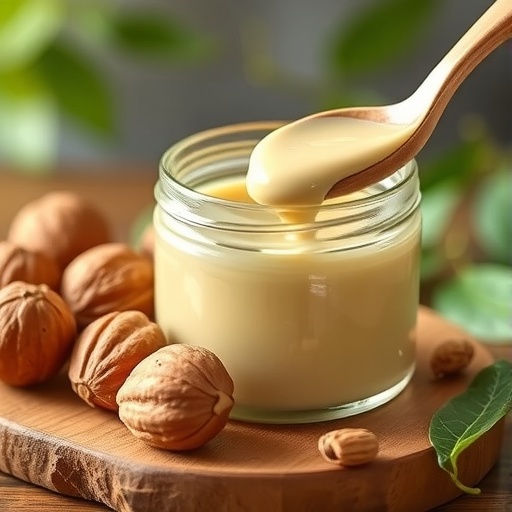
In a groundbreaking development in the field of food science, researchers have discovered a novel approach to enhancing the stability of mayonnaise through the utilization of encapsulated hazelnut skin extract. This innovation not only addresses the common issue of oxidative instability in mayonnaise but also demonstrates the potential for valorizing agricultural by-products, thereby contributing to a more sustainable food production framework. The work conducted by M. Özdemir, S. Şahin Sevgili, and M. Torun, showcases a remarkable intertwining of culinary science and environmental consciousness.
Mayonnaise, a staple condiment in various cuisines worldwide, is famously prone to oxidative degradation. This process leads to changes in flavor, color, and overall quality, significantly reducing its shelf-life. Traditionally, various chemical preservatives have been employed to counteract these effects, but they often raise concerns regarding health and safety. The research team recognized the necessity for naturally derived alternatives that could mitigate oxidative stress while also appealing to health-conscious consumers.
Hazelnuts, a popular nut known for their rich flavor and nutritional benefits, have an often-overlooked component in their skins. These skins contain bioactive compounds with antioxidant properties, making them an ideal candidate for incorporation into food products like mayonnaise. The research delves deep into the process of extracting these compounds from hazelnut skins and encapsulating them in wall materials, which protect the active components and ensure their bioavailability when added to food formulations.
The encapsulation of hazelnut skin extract is a multi-step process that involves careful selection of wall materials. Researchers tested various natural polymers, assessing their effectiveness in encapsulating bioactive compounds. These wall materials serve multiple functions – they protect the antioxidants from environmental factors, enhance their stability, and facilitate controlled release, ensuring that the antioxidants are active when needed in the mayonnaise formulation.
Upon incorporation of the encapsulated hazelnut skin extract into mayonnaise, the researchers observed a marked improvement in oxidative stability. Analytical tests demonstrated a significant reduction in peroxide values, a common indicator of fat degradation. Furthermore, sensory evaluations revealed that the fortified mayonnaise retained its desirable qualities. Consumers appreciated the nuanced flavor that the hazelnut extract imparted while benefitting from enhanced shelf-life.
This research not only paves the way for more sustainable food products but also highlights the importance of waste valorization. The use of hazelnut skins, which are typically discarded or underutilized, represents a step towards circular economies in agriculture and food production. By transforming what would be agricultural waste into a valuable ingredient, the study underscores the potential for innovative practices that minimize waste and promote sustainability.
The implications of these findings extend beyond mayonnaise. The principles of encapsulation and integration of natural antioxidants can be applied to other emulsified products, such as dressings, sauces, and even dairy products. This opens new avenues for research and product development, allowing for a broader impact on food quality and safety across various sectors of the food industry.
Moreover, the success of this study encourages further exploration into other underutilized agricultural by-products that could enhance food products while simultaneously supporting sustainability. Each agricultural sector has its own unique waste products, and there lies an immense potential for innovation through similar approaches. This research serves as a catalyst for scientists and food technologists to explore and harness the power of nature for food preservation and enhancement.
The researchers also emphasize the importance of collaborative efforts between scientists, food manufacturers, and consumers. Stakeholder collaboration can facilitate the transition toward more sustainable practices in food production. By raising awareness about the benefits of using natural extracts and reducing waste, the food industry can align better with environmental sustainability goals, appealing to the growing demographic of eco-conscious consumers.
In conclusion, the revolutionary research by Özdemir, Şahin Sevgili, and Torun regarding the oxidative stabilization of mayonnaise using encapsulated hazelnut skin extract exemplifies the convergence of food science and sustainability. Their pioneering work has set the stage for future advancements in food preservation technologies, demonstrating that innovation often lies in reimagining what we already have. As the food industry continues to adapt to meet consumer demands for quality, health, and sustainability, studies like this provide a powerful beacon of possibility.
With this study, the authors invite further investigation and dialogue on the practical applications of encapsulation techniques in food science. While the focus has been primarily on mayonnaise, the methodologies and concepts presented can inspire a new wave of research aimed at ensuring food products remain not only delicious but also safe and environmentally friendly for years to come. As consumer awareness grows and regulations tighten around food safety, the strategies developed in this research will be crucial in shaping the future of food production.
This exploration of innovative uses for natural materials not only enriches our understanding of food preservation but also illuminates a path forward for integrating ethics into food technology. The commitment to sustainable practices and the valorization of by-products marks a significant milestone in how we approach food science, urging the industry to think critically about its ecological footprint while striving for culinary excellence.
The future of mayonnaise, and indeed many food products, could very well be rooted in the lessons learned from this research. By embracing nature’s bounty, scientists and food professionals are tasked with a challenge: to innovate responsibly and ensure that food systems are resilient, sustainable, and capable of nourishing the planet for generations to come.
Subject of Research: Oxidative Stabilization of Mayonnaise Using Encapsulated Hazelnut Skin Extract
Article Title: Oxidative Stabilization of Mayonnaise Using Encapsulated Hazelnut Skin Extract: Valorization of By-Products and Role of Wall Materials
Article References: Özdemir, M., Şahin Sevgili, S. & Torun, M. Oxidative Stabilization of Mayonnaise Using Encapsulated Hazelnut Skin Extract: Valorization of By-Products and Role of Wall Materials. Waste Biomass Valor (2026). https://doi.org/10.1007/s12649-025-03463-1
Image Credits: AI Generated
DOI: https://doi.org/10.1007/s12649-025-03463-1
Keywords: Mayonnaise, oxidative stabilization, encapsulated hazelnut skin extract, sustainability, waste valorization, food science.
Tags: antioxidant properties of hazelnut skinsbioactive compounds in hazelnutsculinary science and environmental sustainabilityencapsulated hazelnut skin extractenhancing mayonnaise stabilityfood science breakthroughshealth-conscious food innovationsnatural alternatives to chemical preservativesoxidative instability in mayonnaisereducing oxidative stress in condimentssustainable food productionvalorizing agricultural by-products