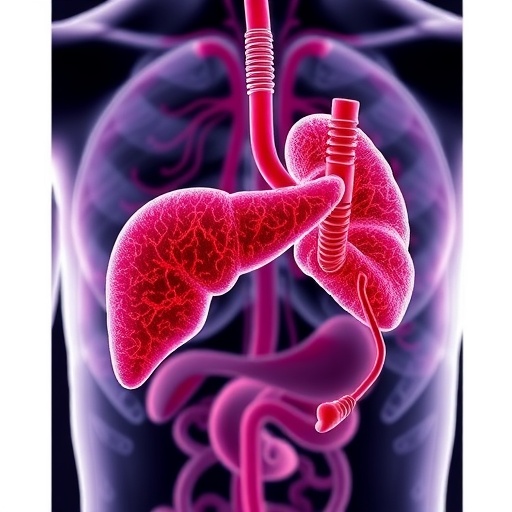
Extracorporeal hemoperfusion has emerged as a promising adjunctive therapy for individuals suffering from liver failure, a critical and potentially life-threatening condition. In an illuminating study conducted by Shafigh et al., the authors delve into the efficacy of this innovative approach, highlighting its role in enhancing patient outcomes. Liver failure constitutes a complex clinical challenge, characterized by multifaceted etiology, pathology, and a spectrum of manifestations that vary widely among patients. Traditional therapeutic measures often fall short, necessitating exploration of alternative treatment modalities.
The essence of extracorporeal hemoperfusion lies in its ability to detoxify the circulation through advanced filtration techniques. This method essentially involves the extracorporeal removal of harmful substances from the blood, thereby alleviating the burden on the compromised liver. By facilitating the clearance of endogenous toxins, such as bilirubin, ammonia, and various inflammatory mediators, hemoperfusion offers a crucial supportive mechanism during episodes of acute liver failure. The impact of these toxins on overall health is profound, often precipitating the progression of hepatic encephalopathy, which can result in severe cognitive dysfunction and other neurological complications.
In the cited study, the researchers meticulously examined the clinical outcomes of patients undergoing hemoperfusion compared to standard supportive care. The findings provide compelling evidence that the adjunctive use of hemoperfusion can lead to significant improvements in both survival rates and overall quality of life. By actively removing toxic metabolites, hemoperfusion not only addresses immediate metabolic derangements but also aids in stabilizing patients prior to potential liver transplantation. Given the increasing prevalence of liver diseases globally, identifying effective interventions to manage liver failure is critical for improving health outcomes.
Moreover, the study underscores the procedural intricacies and technical considerations associated with hemoperfusion. Clinicians must possess a thorough understanding of the various hemoperfusion devices and their specific applications. Factors such as the selection of appropriate sorbent materials, flow rates, and duration of treatment play a vital role in determining the success of therapy. The authors detail how contemporary advancements in technology, including the use of selective adsorbents, have enhanced the efficiency of toxin removal, thereby positioning hemoperfusion as an invaluable tool in modern hepatologic practice.
In discussing the broader implications of these findings, it becomes evident that extracorporeal hemoperfusion could contribute to the advancement of therapeutic strategies not only for liver disease but also for a wider array of conditions characterized by systemic inflammation or toxicity. For instance, cases of acute kidney injury and severe sepsis may also benefit from the application of this technique, suggesting that its potential may far exceed its current scope. The versatility of hemoperfusion could indeed stimulate further research into its applicability across diverse clinical scenarios.
Patient selection is another critical aspect of successful hemoperfusion treatment, as not all individuals with liver failure may be suitable candidates for this approach. A thorough understanding of the etiology and stage of liver disease is paramount. For example, patients with irreversible liver damage or those who are at an advanced stage may not derive the same benefits as those in earlier stages. Therefore, careful patient assessment is necessary to maximize the therapeutic benefits while minimizing associated risks.
The accumulating evidence supporting the role of extracorporeal hemoperfusion, as articulated by Shafigh et al., suggests a shift in the paradigm of managing liver failure. Although conventional therapies remain crucial components of treatment regimens, integrating hemoperfusion into clinical practice could revolutionize therapeutic approaches. This calls for a collaborative effort among healthcare professionals to standardize protocols, optimize treatment plans, and educate clinicians about the potential of hemoperfusion.
Conducting further studies is imperative to refine the protocols associated with hemoperfusion, including optimal timing, duration, and frequency of treatments. The scientific community must engage in robust discussions to establish consensus guidelines that will facilitate its incorporation into clinical practice. Furthermore, ongoing research initiatives should aim to identify additional indications for hemoperfusion, as well as to elucidate the underlying mechanisms through which it confers its therapeutic effects.
Finally, the financial implications associated with implementing extracorporeal hemoperfusion technology must not be overlooked. Healthcare providers and institutions must consider cost-effectiveness and resource allocation when integrating this therapy. Although initial investment in hemoperfusion systems may be substantial, the potential for improved patient outcomes may ultimately justify the expenditure. This convergence of quality care and fiscal responsibility represents a formidable frontier for discussions among healthcare policy-makers and practitioners alike.
In conclusion, the study by Shafigh et al. marks a significant advancement in the management of liver failure through the exploration of extracorporeal hemoperfusion therapy. Its success offers hope for better patient outcomes and reinforces the necessity for ongoing research in this field. Clinicians are encouraged to stay abreast of emerging technologies and evolving therapeutic strategies as they aim to provide comprehensive care for individuals navigating the complexities of liver failure. The evolution of treatments such as hemoperfusion ultimately lays the groundwork for a more effective, multidisciplinary approach to addressing one of the most challenging aspects of contemporary healthcare.
Subject of Research: Extracorporeal hemoperfusion as adjunctive therapy for liver failure.
Article Title: Extracorporeal hemoperfusion as an adjunctive therapy for liver failure.
Article References:
Shafigh, N., Jafari, A., Alipour, H. et al. Extracorporeal hemoperfusion as an adjunctive therapy for liver failure. J Artif Organs 29, 14 (2026). https://doi.org/10.1007/s10047-025-01542-7
Image Credits: AI Generated
DOI: https://doi.org/10.1007/s10047-025-01542-7
Keywords: Extracorporeal hemoperfusion, liver failure, adjunctive therapy, patient outcomes, clinical study.
Tags: acute liver failure managementadvanced filtration techniques in medicinealternative therapies for liver healthclinical efficacy of hemoperfusiondetoxification methods for liver diseaseenhancing patient outcomes in liver failureextracorporeal hemoperfusion benefitshepatic encephalopathy prevention strategiesinnovative treatments for liver dysfunctionliver failure treatment optionsreducing toxins in liver failuresupportive therapies for liver disorders