In a groundbreaking initiative, a recent multidisciplinary workshop focused on advancing health research practices for forcibly displaced populations. Led by renowned experts in the field, including Abu-Khalil, Sayeeda, and Shaikh, the workshop sought to address the unique challenges facing refugees and displaced individuals across the globe. The urgency of this endeavor is amplified by ongoing global crises, where millions of people are uprooted from their homes due to conflict, natural disasters, and persecution. The outcomes of this collaborative effort aim to reshape how health research is conducted in these vulnerable communities, ensuring that their specific needs are met and addressed adequately.
One of the primary objectives of the workshop was to establish a comprehensive understanding of the current landscape of health research pertaining to displaced populations. Participants reviewed existing studies and identified significant gaps in knowledge and methodology. The research hitherto often lacked a nuanced approach, typically failing to consider the cultural, social, and economic factors that affect the health status of displaced individuals. By scrutinizing these studies through a multidisciplinary lens, the workshop aimed to provide a solid foundation for future inquiries that are culturally sensitive and relevant.
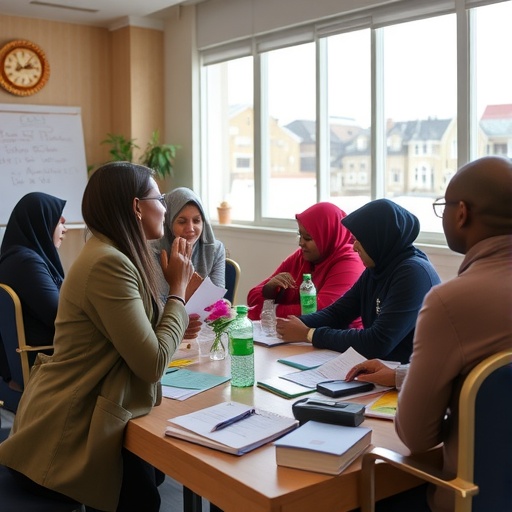
Additionally, a significant theme that emerged during the discussions was the importance of community engagement in health research. The experts underscored that forcibly displaced individuals are not merely subjects of research; they are integral stakeholders whose insights and experiences can guide research design and implementation. Incorporating the voices of displaced populations not only enriches the quality of the data collected but also fosters trust between researchers and the communities they study. This collaborative approach is essential in enhancing the efficacy and relevance of health interventions tailored for these groups.
Moreover, workshop participants highlighted the need for innovative methodologies that transcend traditional research paradigms. Given the complexity of issues faced by forcibly displaced populations, including mental health challenges, chronic diseases, and access to healthcare, adopting mixed-method approaches that integrate quantitative and qualitative data can yield more comprehensive insights. This can ultimately lead to the formulation of effective health policies and programs that address the multifaceted needs of these populations.
A pivotal point raised throughout the workshop was the necessity of forming partnerships with local organizations and governments. Participants noted that successful health initiatives rely heavily on the collaborations established with community leaders and local health systems. These stakeholders possess invaluable knowledge about the needs and dynamics of displaced populations, ensuring that interventions are designed and executed with cultural competence. Effective partnerships can also aid in the sustainable implementation of health initiatives, facilitating the resilience of displaced communities.
In response to these discussions, the workshop introduced concrete recommendations for researchers and policymakers. It urged the development of standardized protocols for conducting health research among displaced populations, which includes ethical considerations and a commitment to respecting the rights of subjects. Furthermore, the workshop emphasized the importance of investing in technology and data infrastructure that can support real-time monitoring of health indicators in these populations, thereby fostering a responsive research paradigm that adapts to emerging challenges.
Another key insight was the role of technology in enhancing health research accessibility and impact. Digital tools can empower displaced populations by providing them with information about health resources and services. It can also assist researchers in collecting data more efficiently and effectively. Leveraging social media and mobile applications can bridge gaps in communication and ensure that health-related messages reach displaced individuals promptly. As technology continues to evolve, its integration into health research practices for these populations will undoubtedly play a crucial role in shaping future endeavors.
The workshop’s findings resonate deeply within the broader context of global health challenges. As the world grapples with the consequences of climate change, conflict, and economic instability, the plight of forcibly displaced populations will likely intensify. Therefore, it is imperative for the health research community to remain vigilant and proactive, adapting methods and strategies that align with the evolving needs of these vulnerable groups. The insights shared during the workshop are timely and should galvanize action among researchers, policymakers, and practitioners alike.
Moreover, the discussions underscored the significance of intersectionality in health research. Displacement does not affect all individuals uniformly; multiple dimensions of identity—such as gender, age, socioeconomic status, and ethnicity—intersect to shape the health experiences of displaced individuals. Acknowledging these factors is essential in developing tailored approaches that cater to the unique challenges faced by various demographic groups within displaced populations. By fostering an intersectional understanding of health in the context of displacement, researchers can contribute to more equitable health outcomes.
As the workshop concluded, participants expressed a renewed commitment to advocating for the health rights of forcibly displaced populations. The outcome was not just a set of recommendations but a call to action—a reminder of the shared responsibility that all stakeholders have in addressing these pressing issues. The participants recognized that advancing health research practices is only the first step; translating findings into tangible benefits for displaced communities is where the real work lies.
The enthusiasm and dedication exhibited by the multidisciplinary team signal a crucial turning point in the realm of health research for forcibly displaced populations. As this field evolves, it is crucial for researchers to remain receptive to the voices of the very individuals they aim to serve. Only through collaboration, innovation, and compassion can the health challenges faced by displaced populations be addressed effectively. The workshop has planted the seeds for future collaborations that aspire to bridge the gap between research and meaningful impact, ultimately reshaping health outcomes for some of the world’s most vulnerable individuals.
In conclusion, the multidisciplinary workshop on advancing health research practices among forcibly displaced populations represents a significant step toward addressing the unique health challenges these individuals face. With commitments made to foster collaboration, incorporate community voices, and innovate methodologies, the insights gained from this gathering hold the potential for lasting change. As researchers and stakeholders continue to refine their approaches, it is imperative to keep the needs of displaced individuals at the forefront, ensuring that their rights and health are prioritized in the global health agenda.
Subject of Research: Health research practices among forcibly displaced populations
Article Title: Advancing health research practices among forcibly displaced populations: A multidisciplinary stakeholder workshop
Article References:
Abu-Khalil, A.S., Sayeeda, R.J., Shaikh, B. et al. Advancing health research practices among forcibly displaced populations: A multidisciplinary stakeholder workshop.
Health Res Policy Sys (2026). https://doi.org/10.1186/s12961-026-01446-9
Image Credits: AI Generated
DOI: 10.1186/s12961-026-01446-9
Keywords: Health research, displaced populations, multidisciplinary collaboration, community engagement, health policy.
Tags: addressing health disparities in displaced populationschallenges in studying displaced populationscollaboration in health research initiativescultural sensitivity in health studiesgaps in health research methodologyhealth crises and forced migrationhealth research for refugeesimproving health outcomes for vulnerable communitiesinterdisciplinary workshop on health researchmultidisciplinary approaches in health researchunderstanding the health landscape for refugeesurgent health needs of displaced individuals