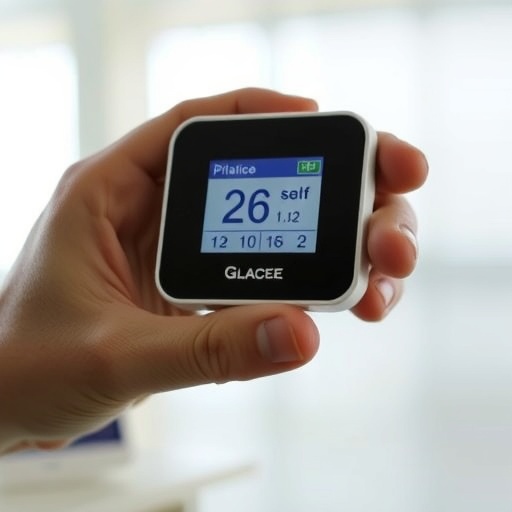
Continuous glucose monitoring (CGM) has emerged as a transformative technology in the realm of diabetes management, particularly for those living with Type 1 and advanced Type 2 diabetes. This innovative approach goes beyond traditional fingerstick blood glucose testing by providing real-time glucose readings, trends, and predictive alerts that empower patients to make informed decisions about their health. Despite its proven benefits, the adoption of CGM technology in countries like India faces formidable challenges that must be addressed for effective utilization.
In India, the prevalence of diabetes has reached alarming proportions, with millions affected by this chronic condition. The rising incidence of diabetes is mainly attributed to rapid urbanization, sedentary lifestyles, and increased consumption of processed foods. In this context, the need for effective management solutions, such as CGM, becomes imperative. The traditional methods of blood glucose monitoring, while useful, lack the comprehensive data that CGM can deliver, leaving patients and healthcare professionals with limited insights into glucose variability.
One of the critical issues hindering the widespread adoption of CGM in India is the cost barrier. Continuous glucose monitors are often perceived as expensive, with many patients without the financial means to afford these devices. This is especially true in rural areas where the economic disparity is stark, and access to healthcare resources is limited. Financial support and policy interventions are essential to bridge this gap, ensuring that all patients have the opportunity to utilize CGM technology in their diabetes management.
Moreover, the lack of awareness about CGM among both patients and healthcare providers is a significant obstacle. Many endocrinologists and general practitioners are not fully informed about the advantages of CGM, which can lead to hesitancy in recommending these devices. Similarly, patients may be unaware of the technology’s existence or benefits, resulting in lower demand. Educational initiatives targeting both healthcare professionals and the public are vital in creating a culture of acceptance and understanding regarding CGM.
The technological aspect of CGM systems also presents challenges. While many devices are user-friendly, there can be a learning curve associated with properly configuring and utilizing the systems. Patients must be educated on how to interpret data, set alerts for hyperglycemia and hypoglycemia, and implement lifestyle changes based on their glucose trends. Furthermore, integration of CGM data with other health management tools and applications can optimize patient engagement and lead to better outcomes.
Cultural factors must also be considered when discussing the adoption of CGM. In India, traditional health beliefs and practices can influence how patients perceive and manage diabetes. These cultural attitudes may impede the acceptance of new technologies, as well as adherence to treatment regimens. It’s essential to engage with communities to foster a greater understanding of diabetes as a chronic condition requiring ongoing management and the role technology can play in that journey.
Regulatory hurdles and a lack of standardized practices around CGM use can further complicate the landscape of diabetes management in India. Policies need to be established to ensure that CGM devices meet safety and efficacy standards. Additionally, streamlined regulatory pathways for the approval of new technologies can accelerate the availability of innovative solutions in the Indian market, providing patients with more options suited to their individual needs.
The role of technology companies in this problem cannot be overlooked. Partnerships between international manufacturers and local firms can facilitate the distribution and affordability of CGM devices, enabling a wider reach across urban and rural populations. Collaborative efforts could also inspire the development of more cost-effective CGM systems, tailored to the Indian market and the unique challenges faced by patients living with diabetes there.
As awareness increases and educational initiatives take hold, healthcare providers are likely to become more adept at prescribing CGM devices. A synergy between healthcare providers, patients, and technology vendors is essential in driving CGM adoption. Innovative training programs, workshops, and support groups could empower patients to embrace this technology, allowing for better self-management of their diabetes.
In addition to addressing the aforementioned challenges, future solutions should focus on the integration of CGM data with healthcare systems to enhance patient-provider communication. Real-time data sharing can cultivate a more responsive approach to diabetes management, leading to timely interventions that can prevent complications. Implementing electronic health records that incorporate CGM data can enhance the precision of diabetes care, enabling tailored treatments that consider patients’ unique profiles.
Moreover, the potential for artificial intelligence and machine learning in interpreting CGM data presents an exciting avenue for the future of diabetes management. These technologies can analyze vast amounts of data to identify patterns that inform treatment plans and predict potential health issues. Such advanced analytics can revolutionize patient care, making diabetes management more personalized and proactive.
As we look ahead, it is clear that the path to optimizing CGM adoption in India is fraught with challenges. Yet, these hurdles also provide opportunities for innovation, collaboration, and growth within the healthcare system. By focusing on education, affordability, cultural acceptance, regulatory improvements, and integration with technology, it is possible to create an environment where CGM is not just an option, but a standard of care for all individuals living with diabetes in India.
In conclusion, the promise of continuous glucose monitoring as a vital tool in diabetes management cannot be overstated. It has the potential to significantly improve health outcomes for millions. However, collaborative efforts across various sectors—including government, healthcare, technology, and advocacy—are required to overcome existing barriers. With targeted interventions, a commitment to education, and the incorporation of innovative technologies, a future where CGM is widely adopted and accessible in India is within reach. The journey toward optimizing CGM adoption may be long, but the rewards for public health are immeasurable.
Subject of Research: Continuous Glucose Monitoring Adoption in India
Article Title: Optimizing Continuous Glucose Monitoring Adoption in India: From Current Challenges to Future Solutions
Article References:
Kesavadev, J., Mohan, V., Joshi, S. et al. Optimizing Continuous Glucose Monitoring Adoption in India: From Current Challenges to Future Solutions.
Diabetes Ther (2026). https://doi.org/10.1007/s13300-026-01842-y
Image Credits: AI Generated
DOI: https://doi.org/10.1007/s13300-026-01842-y
Keywords: Continuous Glucose Monitoring, Diabetes Management, Healthcare Technology, India, Patient Education, Health Policy
Tags: barriers to CGM adoptioncontinuous glucose monitoring technologycost of continuous glucose monitorsdiabetes management solutions in Indiadiabetes prevalence in Indiahealthcare challenges in diabetesimproving access to diabetes technologypatient empowerment through CGMReal-Time Glucose Monitoring Benefitsrural health and diabetes managementType 1 and Type 2 diabetes careurbanization and diabetes risk