In a groundbreaking study that promises to reshape the landscape of pain management, researchers have turned their attention to electroacupuncture as a potential remedy for diabetic distal symmetric polyneuropathy. This condition, characterized by nerve damage associated with diabetes, often results in debilitating pain, loss of sensation, and significant impairment in quality of life. A recent pilot randomized clinical trial led by Pérez Hernández and colleagues seeks to evaluate the effectiveness of electroacupuncture for alleviating these painful symptoms, offering a glimpse into the future of therapeutic options available for those suffering from chronic diabetic pain.
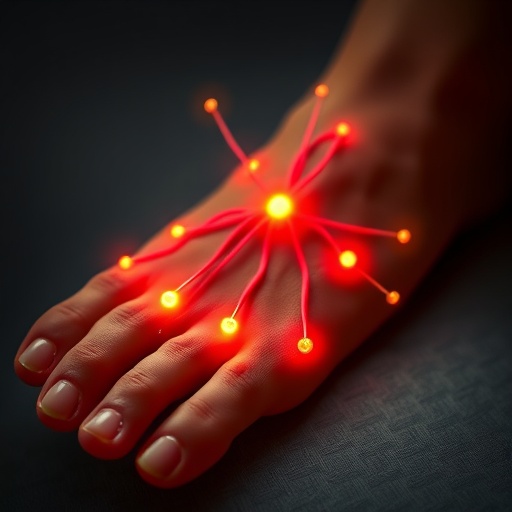
Electroacupuncture, a modern adaptation of traditional acupuncture, involves the application of small electrical currents to acupuncture needles, purportedly enhancing the treatment’s effectiveness. This method is thought to stimulate the nervous system more vigorously than standard acupuncture, potentially leading to greater pain relief and improved patient outcomes. The trial meticulously adjusted variables and included a diverse population to comprehensively assess the efficacy of this approach in managing the multifaceted symptoms of diabetic neuropathy.
The significance of this trial cannot be overstated, as diabetes affects millions globally, with many experiencing neuropathy that significantly cripples their daily lives. Current pharmacological treatments often come with a host of side effects, and many patients find limited success with standard pain management techniques. Therefore, the exploration of electroacupuncture offers a potentially safer and more holistic alternative for those in desperate need of pain relief.
Preliminary findings from this research have sparked excitement within the medical community, suggesting that electroacupuncture could substantially decrease pain levels and enhance quality of life for patients with diabetic neuropathy. Participants in the trial reported notable improvements, including reduced pain intensity and enhanced sensations in limbs that were previously numb. This positive outcome not only hints at the therapeutic potential of the treatment but also raises new questions regarding the mechanisms by which electroacupuncture exerts its effects.
One hypothesis revolves around the modulation of neuroinflammatory processes that characterize the nerve damage in diabetic patients. By affecting the nervous system directly, electroacupuncture may help to strengthen nerve signaling and repair, ultimately leading to improved function. Additionally, the treatment appears to influence pain pathways, potentially blocking pain signals from reaching the brain and relieving suffering for patients. This aligns with existing literature that emphasizes the importance of addressing the root causes of neuropathic pain rather than merely masking symptoms.
As the trial progresses, researchers will continue to gather data and delve deeper into understanding how electroacupuncture interacts with complex neural pathways. This understanding may pave the way for more personalized treatment plans tailored to the specific needs of individual patients, enhancing both efficacy and safety. Furthermore, continued exploration into various acupuncture techniques may reveal other innovative approaches to manage pain and improve overall function in people with chronic conditions.
The study’s innovative design and comprehensive approach make it a landmark investigation into the effectiveness of alternative therapies. As researchers analyze data, comparisons to control groups will shed light on the validity of the findings and elucidate whether electroacupuncture can stand as a robust treatment option alongside traditional medical approaches. Collaboration with specialists in neurology, acupuncture, and pain management will solidify this endeavor, ensuring that the outcomes contribute positively to medical guidelines and practices.
Moreover, the implications of this research extend beyond the realm of pain management for diabetic neuropathy. If electroacupuncture proves effective in this application, it could set a precedent for the treatment of other neuropathic disorders and chronic pain syndromes, revolutionizing the standards of care. This could significantly reduce reliance on opioids and other potentially harmful pain-relief medications, enhancing patient safety and welfare on a broader scale.
The researchers are also keenly aware of the importance of patient feedback in assessing the success of this treatment method. In parallel with clinical outcomes, patient-reported outcomes will be crucial in evaluating the true success of electroacupuncture. Gathering qualitative data on how patients perceive their pain relief and quality of life changes will lend critical insights that go beyond mere statistics.
As the trial approaches its final phases, the anticipation surrounding its results continues to build. The potential of electroacupuncture is eagerly awaited not only by participants but also by healthcare providers looking for effective treatments that alleviate chronic pain without the adverse effects that traditional medications often carry. The hope is that the findings will catalyze further research, leading to rigorous studies that can validate the effectiveness of acupuncture techniques on a larger scale.
In summary, the pilot randomized clinical trial on electroacupuncture’s efficacy in diabetic distal symmetric polyneuropathy is poised to make significant waves in the medical community. By addressing both the somatic and systemic aspects of pain, this innovative approach may not only provide relief for millions suffering from diabetic neuropathy but also herald a new era in holistic pain management strategies. The collaborations among various disciplines and the commitment to patient-centered care underscore a paradigm shift toward integrative treatment modalities featured in healthcare.
As we stand on the cusp of potentially transformative findings, it is evident that the marriage of traditional therapies with scientific inquiry holds great promise. The landscape of pain management could soon witness a welcome evolution, as studies like this reshape medical practices and offer much-needed hope for those afflicted with chronic pain conditions.
Subject of Research: Effect of electroacupuncture for pain relief in diabetic distal symmetric polyneuropathy.
Article Title: Effect of electroacupuncture for pain relief in diabetic distal symmetric polyneuropathy: a pilot randomized clinical trial.
Article References: Pérez Hernández, M., Rodríguez Guerrero, E., Ocharan Hernández, M. et al. Effect of electroacupuncture for pain relief in diabetic distal symmetric polyneuropathy: a pilot randomized clinical trial. BMC Complement Med Ther 25, 438 (2025). https://doi.org/10.1186/s12906-025-05135-y
Image Credits: AI Generated
DOI: https://doi.org/10.1186/s12906-025-05135-y
Keywords: Electroacupuncture, diabetic neuropathy, pain management, clinical trial, alternative therapy, holistic treatment.
Tags: alternative therapies for chronic painchronic pain relief techniquesdiabetic distal symmetric polyneuropathy treatmenteffectiveness of electroacupunctureelectroacupuncture for diabetic neuropathyinnovative pain relief strategiesmanaging diabetic neuropathy symptomsmodern acupuncture methodsnerve damage and diabetespain management in diabetesquality of life in diabetic patientsrandomized clinical trial on pain