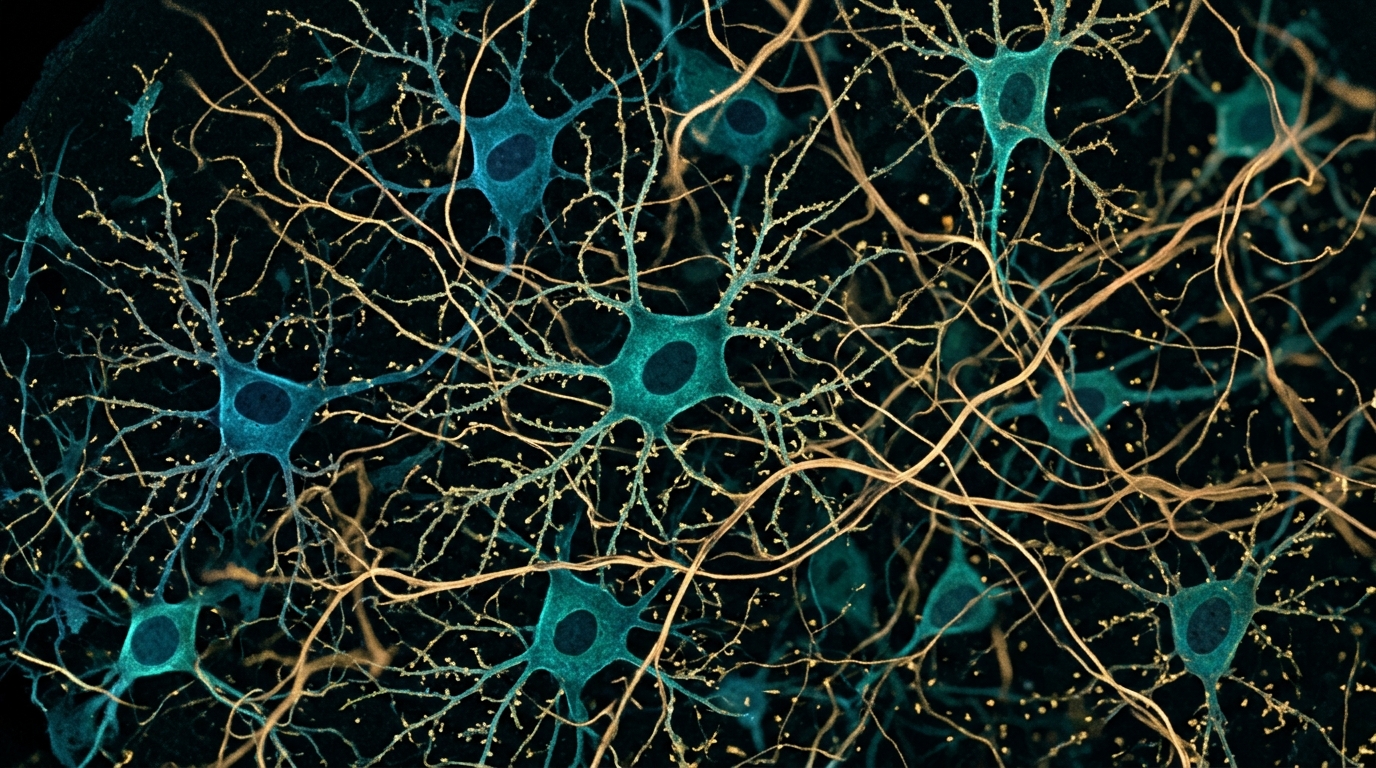
Electroacupuncture relieves inflammatory pain in mice by bidirectionally modulating distinct neuronal populations within the brainstem subnucleus reticularis dorsalis, according to experimental findings published in Chinese Medicine. A research team led by Jiajia Huang, Kexing Wan, Man Li, and colleagues investigated how specific cellular subtypes in the brainstem reticular formation coordinate nociceptive signals during persistent inflammatory states. The study established that inflammatory pain induced by complete Freund’s adjuvant is accompanied by a marked hyperactivity of gamma-aminobutyric acid-producing, or GABAergic, neurons within the subnucleus reticularis dorsalis. Applying electroacupuncture stimulation significantly suppressed this aberrant GABAergic hyperactivity while concurrently boosting the spontaneous activity of enkephalinergic, or ENKergic, neurons within the same anatomical nucleus. This dual modulation produced robust antinociceptive effects, reversing mechanical hyperalgesia and thermal hypersensitivity in the affected animals. By demonstrating that electroacupuncture simultaneously damps pronociceptive inhibitory circuits and enhances endogenous opioid pathways, the investigation provides direct evidence of cell-type-specific neural circuit mechanisms operating within brainstem pain modulation networks.
Inflammatory pain represents a complex physiological and pathological challenge characterized by heightened sensitivity and persistent hyperalgesia that severely degrades overall quality of life. The development and chronification of this condition depend not only upon initial peripheral inflammatory cascades but also upon extensive plastic remodeling throughout the central nervous system. Within descending pain modulatory circuits, brainstem structures integrate noxious inputs and calibrate spinal nociceptive transmission through diffuse noxious inhibitory controls. Historically, GABAergic interneurons have been widely classified as inhibitory units that promote analgesia under baseline conditions across central pathways. Emerging neurobiological evidence indicates, however, that the functional consequences of GABAergic signaling are strictly circuit-dependent, with specific microcircuits capable of exerting paradoxical pronociceptive effects through disinhibition mechanisms. In contrast, enkephalinergic neurons constitute an essential component of the endogenous opioid system, providing well-documented descending inhibitory signals that suppress pain transmission. Determining whether these two distinct neuronal populations co-exist in functional opposition within the subnucleus reticularis dorsalis during inflammatory pain formed the foundational research question of the project.
To evaluate these brainstem mechanisms under controlled experimental conditions, the research team established an inflammatory pain paradigm using adult male mice. The experiments utilized wild-type C57BL/6J mice along with transgenic Vgat-ires-Cre and ENK-ires-Cre mouse strains to permit genetic targeting of GABAergic and enkephalinergic cells. Animals were aged eight to ten weeks, weighed between twenty and thirty grams, and were maintained under specific pathogen-free housing conditions with regulated temperatures of twenty to twenty-two degrees Celsius, forty to sixty percent relative humidity, and a twelve-hour light-dark cycle. To induce sustained inflammatory pain, mice were briefly anesthetized with inhaled isoflurane, and twenty-five microliters of thoroughly mixed complete Freund’s adjuvant was injected intramuscularly into the gastrocnemius muscle of the shaved left hind limb. Control animals received an identical surgical exposure and an equivalent volume of sterile normal saline. Intramuscular administration reliably generated localized muscular inflammation, leading to substantial reductions in mechanical withdrawal thresholds and thermal withdrawal latencies that persisted stably throughout the experimental observation window.
Therapeutic intervention was administered using an awake electroacupuncture protocol designed to avoid confounding effects from continuous general anesthesia during behavioral evaluations. Mice were placed into custom restraining holders that permitted normal unhindered respiration while securely fixing the target hind limb. Disposable acupuncture needles measuring 0.25 by 13 millimeters were inserted subcutaneously to a depth of two to three millimeters at the Zusanli acupoint, designated ST36, situated approximately two millimeters below the fibular head on the posterolateral aspect of the knee joint. Electrical stimulation was delivered at a frequency of ten Hertz with intensities calibrated to produce gentle muscle twitches without eliciting overt behavioral distress. The experimental design compared two specific stimulation regimens: Ta stimulation delivered at 0.5 milliamperes for thirty minutes and Tc stimulation delivered at 1.0 milliampere for thirty minutes. Treatments commenced on the second day following complete Freund’s adjuvant injection and continued once daily for three consecutive days, while control mice underwent identical restraint handling without electrical stimulation.
Behavioral assessments of nociceptive sensitivity were performed systematically one hour following each electroacupuncture treatment session to track changes in mechanical and thermal sensitivity. Mechanical withdrawal thresholds were determined using calibrated von Frey filaments applied to the plantar surface of the left hind paw within transparent testing chambers set over wire mesh flooring. Following a thirty-minute habituation period, filaments of graded bending force were pressed against the plantar skin for three to five seconds, with rapid paw withdrawals, shaking, or licking scored as positive nociceptive responses. Thresholds were calculated through six consecutive applications around the response border using the classic up-down testing method. Thermal nociception was measured separately utilizing an automated hot plate apparatus calibrated to a constant surface temperature of fifty-five degrees Celsius. Investigators placed mice upon the heated surface with all four paws in contact and recorded the latency until the emergence of thermal avoidance behaviors, averaging at least three trials per subject.
To determine how localized cellular activity responded to inflammation and therapy, the investigators employed quantitative RNAscope in situ hybridization alongside in vivo fiber photometry. In situ hybridization evaluated the co-localization of the immediate early gene c-Fos with specific markers for GABA and enkephalin within the contralateral subnucleus reticularis dorsalis. Complete Freund’s adjuvant significantly elevated the percentage of c-Fos-positive GABAergic neurons compared to saline-treated controls, an elevation that was significantly suppressed following three days of electroacupuncture at either electrical intensity. For real-time monitoring of calcium flux, Cre-dependent adeno-associated virus expressing GCaMP6s was stereotaxically injected into the contralateral nucleus, and optical fibers were implanted above the target area. Continuous recording of resting-state fluorescence signals revealed that complete Freund’s adjuvant produced substantial increases in spontaneous calcium activity, measured through the area under the curve, maximum fluorescence change, and mean peak amplitude. Electroacupuncture treatment effectively reversed these heightened dynamic calcium signals, returning population activity toward baseline physiological levels.
Direct causal links between GABAergic neuronal firing and pain behaviors were verified using selective chemogenetic manipulations in transgenic Vgat-ires-Cre mice. Investigators bilaterally injected adeno-associated viral vectors encoding inhibitory hM4Di receptors, excitatory hM3Dq receptors, or control mCherry fluorophores into the subnucleus reticularis dorsalis. Following three weeks of viral expression, intraperitoneal administration of clozapine-N-oxide at three milligrams per kilogram selectively altered neuronal excitability. In inflammatory pain models, chemogenetic inhibition of GABAergic neurons through hM4Di significantly increased paw withdrawal thresholds and thermal latencies, effectively alleviating pain hypersensitivity until the compound was metabolized after approximately two and a half hours. In contrast, chemogenetic activation of GABAergic neurons in healthy, uninjured mice markedly reduced mechanical and thermal thresholds, inducing pronounced pain hypersensitivity in the absence of peripheral tissue damage. Furthermore, chemogenetically exciting GABAergic neurons immediately following electroacupuncture sessions significantly counteracted the therapeutic analgesia of acupuncture, confirming that excessive GABAergic activity within this brainstem nucleus directly facilitates inflammatory nociception.
A complementary series of chemogenetic experiments elucidated the operational characteristics of enkephalinergic neurons located within the identical brainstem reticular territory. In situ hybridization and fiber photometry recordings confirmed that enkephalinergic neurons exhibited modest endogenous activation following complete Freund’s adjuvant injection, and their spontaneous activity was elevated substantially further after electroacupuncture treatment. When excitatory hM3Dq receptors were expressed in ENK-ires-Cre mice, clozapine-N-oxide administration elevated both mechanical and thermal thresholds in uninjured animals and markedly reduced inflammatory hypersensitivity in adjuvant-injected subjects. Conversely, chemogenetic inhibition of enkephalinergic neurons using inhibitory hM4Di constructs significantly lowered baseline pain thresholds under physiological conditions, demonstrating tonic antinociceptive tone. When enkephalinergic neurons were chemogenetically silenced during electroacupuncture therapy, the treatment-induced analgesic recovery was severely attenuated across both mechanical and thermal tests. These bidirectional interventions demonstrated that enkephalinergic neurons within the subnucleus reticularis dorsalis function as active antinociceptive elements whose recruitment is indispensable for achieving the full therapeutic benefit of electroacupuncture.
The discovery of opposing functional roles for GABAergic and enkephalinergic neurons indicates that brainstem pain modulation relies upon dynamic equilibrium rather than uniform suppression. Traditionally viewed purely as an inhibitory neurotransmitter, GABA within the subnucleus reticularis dorsalis appears to promote nociceptive transmission during inflammatory states, likely through local disinhibition of descending pathways. Concurrently, enkephalinergic neurons actively counteract inflammatory hypersensitivity by recruiting endogenous opioid signaling mechanisms. Rather than engaging a singular linear pathway, electroacupuncture acts as a multi-target therapeutic intervention that simultaneously restrains pronociceptive GABAergic hyperactivity while enhancing antinociceptive enkephalinergic signaling. This state-dependent bidirectional realignment reshapes the net functional output of the brainstem reticular formation, allowing restorative modulation of descending pain networks that connect with the periaqueductal gray, rostral ventromedial medulla, and spinal dorsal horn. Consequently, the study advances the understanding of brainstem functional architecture, demonstrating how peripheral somatic stimulation orchestrates coordinated, cell-type-specific plastic adjustments within centralized reticular microcircuits to extinguish persistent inflammatory pain.
While providing compelling mechanistic evidence, the authors highlighted several methodological limitations that delineate crucial avenues for subsequent investigation. First, the experimental design did not trace the downstream synaptic targets or local microcircuit connectivity linking GABAergic and enkephalinergic neurons within the subnucleus reticularis dorsalis, leaving open whether they interact directly or through parallel pathways. Second, fiber photometry recorded bulk population-level calcium fluorescence, which cannot resolve single-neuron firing frequencies or characterize subtle cellular subpopulation heterogeneity. Third, viral chemogenetic manipulations were delivered bilaterally, whereas fiber photometry and histological RNAscope analyses were restricted to the contralateral nucleus relative to the inflamed limb. Additionally, while both ipsilateral and contralateral electroacupuncture produced analgesia, differing electrical intensities were utilized across the conditions, meaning stimulation intensity cannot be entirely excluded as a confounding factor. Finally, the study focused strictly on neuronal dynamics without assessing local neuroimmune interactions, such as microglial activation or inflammatory cytokines, which warrant combined investigation in future cell-type circuit mapping studies.
Subject of Research: Brainstem neuronal mechanisms of electroacupuncture analgesia in inflammatory pain
Article Title: Electroacupuncture alleviates inflammatory pain via bidirectional modulation of GABAergic and ENKergic neurons in the subnucleus reticularis dorsalis (SRD)
Article References: Huang, J., Wan, K., Wang, X., Li, H., Ren, H., Yao, X., Shen, H., Xu, Y., Zheng, Z., Lv, J., Yang, Y., Zhou, H., Peng, P., Yao, J., Jing, X., & Li, M. (2026). Electroacupuncture alleviates inflammatory pain via bidirectional modulation of GABAergic and ENKergic neurons in the subnucleus reticularis dorsalis (SRD). Chinese Medicine, 21(1), Article 244. https://doi.org/10.1186/s13020-026-01528-4
Image Credits: AI Generated
DOI: 10.1186/s13020-026-01528-4
Keywords: electroacupuncture, inflammatory pain, subnucleus reticularis dorsalis, GABAergic neurons, enkephalinergic neurons, complete Freund's adjuvant, fiber photometry, chemogenetics, Zusanli, c-Fos, hyperalgesia, endogenous opioids, brainstem, nociception, pain modulation, calcium imaging
News Source: Ophelia Keating. (November 27, 2026). Electroacupuncture Alleviates Inflammatory Pain in Mice by Modulating Brainstem Neurons. Scienmag.