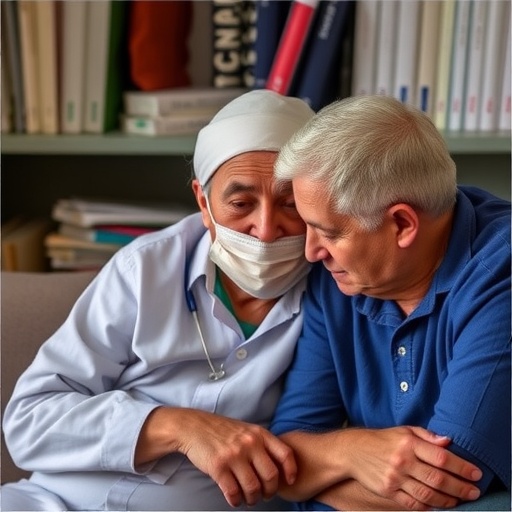
The prevalence of elder abuse within the healthcare setting is an issue garnering increasing attention, particularly as global populations age and the number of elderly individuals grows. A recent study conducted by Shoujaa et al. has meticulously examined this pressing concern in Lebanese primary care, uncovering not only the prevalence of elder abuse but also various predictors that contribute to its occurrence. As this vital research comes to light, it reveals deeper insights into the multifaceted nature of elder abuse and emphasizes the pressing need for intervention strategies.
The study’s methodology was particularly rigorous, employing a cross-sectional design that allowed the researchers to gather data from a representative sample of elderly patients in primary care settings across Lebanon. Utilising standardized screening tools, the authors were able to quantify instances of abuse, categorizing them into physical, emotional, and financial forms. This comprehensive approach ensured that the data collected painted a nuanced picture of the issue rather than a simplistic overview, a distinction that is imperative when addressing such a complex problem.
One of the most startling findings from the research is the relatively high prevalence of elder abuse reported among participants. Over one-third of elderly individuals indicated that they had experienced some form of abuse, whether at the hands of caregivers or family members. This statistic alone underscores the urgent need for increased awareness and action in the realm of elder care. It is essential to recognize that those who exploit or neglect the elderly often do so within the confines of familial bonds, which complicates both recognition and remediation efforts.
Moreover, the study identified crucial predictors of elder abuse, including social isolation, dependency on caregivers, and mental health issues such as depression. These findings illuminate the vulnerabilities that many elderly individuals face, particularly those lacking a robust support system. With social isolation being a significant risk factor, it becomes imperative for communities and healthcare providers to foster connections that can mitigate these risks. Elderly individuals who are isolated are often at a heightened risk of abuse, as they may lack the resources or relationships necessary to report or escape from harmful situations.
The implications of these findings extend beyond the realm of immediate healthcare. Policymakers and community leaders must take note of the researchers’ recommendations for comprehensive elder abuse prevention programs. These programs should not only focus on increasing detection rates but also on fostering community relationships that can support at-risk populations. By engaging local organizations, government bodies, and families, a multi-faceted approach can be developed to protect the elderly and support caregivers.
The interplay of socio-economic factors cannot be overlooked. The study delves into the ways in which economic stressors can exacerbate tensions within households, potentially leading to increased rates of elder abuse. As families struggle with financial hardships, the elderly, who may require additional care and resources, can become scapegoats for familial frustrations. This vicious cycle highlights the necessity for comprehensive social support systems accessible to both the elderly and their caregivers, providing relief and resources that can reduce familial strain.
Furthermore, the stigma surrounding elder abuse can prevent individuals from seeking help. Many elderly people may feel ashamed or fearful of the repercussions that reporting abuse might entail. The researchers stress the importance of creating safe spaces and support networks where the elderly can voice their concerns without fear of judgment or further victimization. Supporting educational efforts that empower elderly individuals to understand their rights is also crucial in fostering an environment where abuse cannot be tolerated.
In addition, healthcare professionals must be adequately trained to recognize signs of elder abuse. The integration of this training into medical education is essential for ensuring that all healthcare providers are equipped to identify, report, and intervene in cases of suspected abuse. By establishing protocols within primary healthcare settings, providers can create a culture of vigilance that prioritizes patient safety, thereby potentially reducing the incidence of elder abuse.
Another noteworthy aspect of the study is its contribution to the growing body of literature on elder abuse in non-Western contexts. Much of the existing research on this topic has focused on Western nations, which may not accurately reflect the complexities and challenges faced in different cultural settings, such as Lebanon. This research fills a crucial gap by contextualizing elder abuse within the particular socio-cultural framework of Lebanese society, thus contributing to a more global understanding of the issue.
The urgency of addressing elder abuse cannot be overstated. As the number of elderly individuals continues to rise, with projections indicating that by 2050, one in six people globally will be over the age of 65, societies must be prepared to protect this vulnerable population. The findings from Shoujaa et al. serve as a clarion call, urging individuals, communities, and governments to address the systemic issues that allow elder abuse to persist.
As attention to elder abuse increases, it is vital that media coverage and public discourse reflect the gravity of the issue. Engaging the public through campaigns that raise awareness can lead to a societal shift in how elder individuals are perceived and treated. Addressing entrenched stereotypes and fostering respect and care for the elderly can make a significant difference in combating abuse.
In conclusion, the research conducted by Shoujaa and colleagues offers valuable insights into the prevalence and predictors of elder abuse in Lebanon, a subject that has implications far beyond its immediate context. By emphasizing the need for systemic changes, increased awareness, and community support, this study sheds light on one of the most pressing challenges facing our aging population. In a world where the elderly deserve respect and dignity, it is the collective responsibility of society to ensure that they are not only protected but celebrated.
Subject of Research: Elder abuse in Lebanese primary care
Article Title: Elder abuse in Lebanese primary care: prevalence and predictors from a cross-sectional study.
Article References: Shoujaa, L., Azzam, M., Abdouni, L. et al. Elder abuse in Lebanese primary care: prevalence and predictors from a cross-sectional study. BMC Geriatr 25, 1016 (2025). https://doi.org/10.1186/s12877-025-06731-w
Image Credits: AI Generated
DOI: https://doi.org/10.1186/s12877-025-06731-w
Keywords: Elder abuse, elderly care, Lebanon, prevalence, predictors, healthcare.
Tags: aging population and abuse risk factorscross-sectional study on elder abuseelder abuse prevalence in Lebanonemotional and physical abuse in elderlyfinancial exploitation of seniorshealthcare settings and elder careintervention strategies for elder abuseLebanon healthcare issuesmultifaceted nature of elder abusepredictors of elder abuseprimary care and elderly healthstandardized screening tools in elder abuse research