In an era marked by increasing environmental consciousness and the quest for sustainable solutions, the green synthesis of materials has emerged as a significant trend in scientific research. A notable study published in 2025 has grabbed attention for its innovative approach to harnessing nature’s resources for the degradation of pharmaceuticals in wastewater. The research conducted by Ramos, Borges, and Cunha et al. focuses on the green synthesis of zinc oxide nanoparticles (ZnO) using oil palm leaf extract, specifically targeting the photocatalytic degradation of amoxicillin, a widely used antibiotic. This endeavor is not just about creating a compound; it signifies a broader commitment to environmental sustainability and public health.
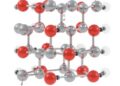
Zinc oxide nanoparticles possess unique properties that make them suitable for various applications, including catalysts in the degradation of organic pollutants. Traditional methods of synthesizing these nanoparticles often involve hazardous chemicals that pose risks to health and the environment. In contrast, the study at hand utilizes oil palm leaf extract, an abundant and renewable resource, which not only reduces environmental impact but also enhances the biocompatibility of the nanoparticles. This innovative approach illustrates a significant advancement in sustainable chemistry and offers a promising alternative to conventional synthesis methods.
The oil palm tree, one of the most economically important crops in tropical regions, produces vast quantities of biomass, including leaves that are generally discarded or underutilized. By repurposing oil palm leaves as a green reducing and stabilizing agent, researchers can create zinc oxide nanoparticles without generating harmful byproducts. This method not only contributes to waste reduction but also provides a valuable resource for the production of nanomaterials with applications in environmental remediation.
Photocatalysis, the process utilized in this study, employs light to accelerate chemical reactions. When zinc oxide nanoparticles are subjected to UV light, they generate reactive oxygen species that can effectively break down organic contaminants. The ability of ZnO to facilitate the degradation of amoxicillin—a compound that has been linked to antibacterial resistance and environmental pollution—underscores the significance of this research. As the world grapples with the consequences of pharmaceutical waste in water systems, finding effective and sustainable solutions takes center stage.
In the conducted experiments, the researchers optimized the conditions for synthesizing zinc oxide nanoparticles and evaluated their photocatalytic efficiency in degrading amoxicillin. Analysis revealed that the nanoparticles exhibited remarkable catalytic activity, significantly reducing the concentration of amoxicillin in aqueous solutions. This effectiveness opens new avenues for employing green-synthesized materials in wastewater treatment and addressing the global challenge of pharmaceutical contaminants.
Moreover, the green synthesis of zinc oxide nanoparticles also hints at a broader narrative concerning the shift in research paradigms. As environmental concerns become more pressing, the scientific community is increasingly recognizing the inherent value of utilizing natural resources. The oil palm leaf extract not only serves its purpose in nanoparticle synthesis but also aligns with eco-friendly practices, promoting a circular economy where waste is repurposed rather than discarded.
Another crucial aspect of the research is the characterization of the synthesized nanoparticles. This study utilized various advanced techniques to analyze the physical and chemical properties of the zinc oxide nanoparticles. Techniques such as scanning electron microscopy (SEM) and X-ray diffraction (XRD) were employed to confirm the morphology and crystallinity of the nanoparticles. This thorough characterization is vital, ensuring that the nanoparticles produced are not only effective in their intended applications but also safe for the environment.
Furthermore, this approach resonates with the global push for sustainability in all fields of science and technology. The implications of the research extend beyond mere academic interest; they serve as a blueprint for future studies aimed at developing eco-friendly materials. Scientists and researchers can draw valuable lessons from this work, igniting interest in exploring other biomasses for the green synthesis of nanomaterials.
Public health remains a crucial aspect of this research as well. The degradation of amoxicillin and other pharmaceuticals is essential in preventing toxic buildup in aquatic systems. As pharmaceutical residues contribute to the phenomenon of antibiotic resistance, developing effective degradation strategies is imperative for maintaining public health. This study adds to the arsenal of tools available for addressing these public health crises, showcasing the intersection between environmental science and healthcare.
In conclusion, the research conducted by Ramos and colleagues highlights the potential of green synthesis in advancing both environmental and public health. The innovative use of oil palm leaf extract to create zinc oxide nanoparticles for photocatalytic degradation exemplifies how scientific inquiry can lead to sustainable solutions to complex problems. As the fight against pollution and antibiotic resistance continues, this study paves the way for more responsible and eco-friendly approaches in diverse fields.
As these initiatives gain momentum, the synthesis and utilization of green materials will likely shape future technological advancements. The nexus of sustainability, health, and innovation is now more pertinent than ever, as researchers worldwide strive to develop solutions that benefit both humanity and the environment. In doing so, they may redefine how we approach environmental challenges and commercial practices, ensuring that our planet can thrive for generations to come.
The exploration of biowaste for innovative materials signifies the transformative enhancements achievable through sustainable practices. The natural world holds countless possibilities for creating solutions that are efficient, effective, and aligned with ecological principles. Through this study, the researchers underscore how interdisciplinary collaboration between biology, chemistry, and engineering can lead to groundbreaking progress in environmental remediation.
This research not only marks a significant achievement in the field of environmental science but also underlines the themes of sustainability and bioutilization that captivate contemporary scientific discourse. As awareness of environmental issues grows, studies like this become essential in fostering a culture of innovation that respects and harnesses the Earth’s resources to generate new technologies and materials.
The dialogue around sustainable solutions is becoming increasingly urgent in the face of climate change and environmental degradation. As the world continues to navigate these challenges, the principles of green chemistry and sustainable practices will remain at the forefront of scientific research and development. The findings of this study serve as an inspiration for researchers and industry leaders alike to prioritize eco-friendly approaches when tackling pressing issues, ensuring a greener and healthier future.
The future of scientific research is brighter when it is imbued with a deep understanding of environmental impact and responsibility. The transformative power of nature, as exemplified by the green synthesis of zinc oxide using oil palm leaf extract, marks a pivotal point in the journey toward sustainability. As the scientific community embraces these methodologies, it can lead to a ripple effect, encouraging more researchers to pursue eco-friendly innovations that contribute positively to society and the planet.
While this study provides a glimpse into the possibilities of green synthesis for environmental remediation, it also calls for continued investigation and exploration into other natural resources and compounds. The pioneering work of Ramos, Borges, and Cunha et al. reminds us of the fundamental relationship between science, nature, and the ongoing quest for sustainable solutions to modern challenges.
Subject of Research: Green Synthesis of Zinc Oxide Using Oil Palm Leaf Extract for the Photocatalytic Degradation of Amoxicillin
Article Title: Green Synthesis of Zinc Oxide Using Oil Palm Leaf Extract for the Photocatalytic Degradation of Amoxicillin
Article References: Ramos, L.T.S., Borges, S.S., Cunha, S. et al. Green Synthesis of Zinc Oxide Using Oil Palm Leaf Extract for the Photocatalytic Degradation of Amoxicillin. Waste Biomass Valor (2025). https://doi.org/10.1007/s12649-025-03427-5
Image Credits: AI Generated
DOI: https://doi.org/10.1007/s12649-025-03427-5
Keywords: Green synthesis, zinc oxide, oil palm leaf extract, photocatalytic degradation, environmental sustainability, wastewater treatment, amoxicillin, biocompatible nanoparticles, biowaste utilization, public health.
Tags: biocompatibility of nanoparticlescommitment to public health and environmenteco-friendly zinc oxide nanoparticlesenvironmental sustainability in pharmaceuticalsgreen synthesis of materialsinnovative approaches in sustainable chemistryoil palm leaf extract as a resourcephotocatalytic degradation of amoxicillinreducing hazardous chemicals in synthesisrenewable resources in scientific researchsustainable degradation of organic pollutantssustainable solutions for wastewater treatment