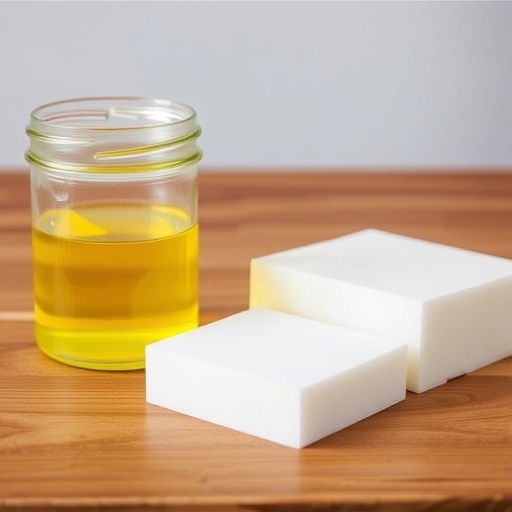
In a groundbreaking study that reveals the potential of sustainable materials in modern applications, researchers led by Daniele Rossi have introduced a new method for synthesizing flexible polyurethane foams. What sets this work apart is the significant high bio-based content derived from waste cooking oil, a resource often overlooked in traditional material production. This innovative approach not only addresses environmental concerns but also positions waste cooking oil as a valuable feedstock in the manufacturing sector.
The increasing global demand for environmentally friendly and sustainable materials has placed a spotlight on biobased products. Polyurethane foam, commonly used in a range of applications from furniture to automotive components, has traditionally relied on petroleum-based resources. The transition from fossil fuels to biobased alternatives could revolutionize the industry, and the team’s findings may serve as a catalyst for such a change. This study contributes to the growing body of literature advocating for the integration of waste materials into existing manufacturing processes.
The synthesis of flexible polyurethane foams from waste cooking oil hinges on a meticulous chemical process. The researchers employed a novel synthesis method that converts triglycerides present in waste cooking oil into polyols, a critical component in the production of polyurethanes. By utilizing transesterification and polymerization techniques, the team effectively transformed discarded oil into a usable resource for creating high-performance foams.
One of the most exciting aspects of this research is its potential to reduce environmental impact significantly. The process not only repurposes a waste product but also offers a reduction in greenhouse gas emissions associated with traditional polyurethane foam production. By substituting petrochemicals with renewable feedstocks, the team has illustrated a viable path toward achieving sustainability in materials science. The implications are profound, particularly with regard to the circular economy, where waste is minimized, and resources are reused and recycled.
Furthermore, the flexibility of the resulting polyurethane foams opens up new avenues for their application. These innovative materials can be utilized in various industries, including furniture, automotive, and construction. Their bio-based content does not compromise their mechanical properties; in fact, the study shows that these new foams exhibit excellent resilience and durability, making them suitable for a wide range of end uses.
The researchers also conducted extensive testing to ensure that the new polyurethane foams meet industry standards. Mechanical performance characteristics, such as compression strength and flexibility, were evaluated to ascertain the feasibility of large-scale production. The results demonstrated that the bio-based foams not only matched but, in some instances, exceeded the performance metrics of their petroleum-based counterparts. This is a significant finding, particularly for industry stakeholders who have long been wary of transitioning to biobased materials due to concerns regarding performance.
An equally important aspect of this research is its contribution to waste management efforts. With food establishments producing vast amounts of waste cooking oil, this innovation could help mitigate the environmental issues associated with oil disposal. Instead of ending up in landfills or being improperly discarded, this waste could be effectively converted into valuable products. This dual benefit of reducing waste and producing a sustainable material is a noteworthy aspect of the research.
The scalability of this synthesis process is another critical point for future implementation. The researchers have not only developed a method that is effective on a small scale, but they have also outlined potential pathways for scaling up production without compromising efficiency. This consideration is crucial for industry adoption, as companies are often hesitant to invest in processes that may not be viable for large-scale operations.
In addition to the technical achievements, the research team has emphasized the importance of collaboration in advancing sustainable materials science. They have engaged with various partners, including academic institutions and industry leaders, to broaden the impact of their findings. This collaborative spirit fosters innovation and helps bridge the gap between research and real-world application, ultimately accelerating the transition toward biobased materials in various sectors.
Moreover, public awareness and acceptance of biobased materials are critical for their widespread adoption. This study serves not only as a scientific milestone but also as a means to inspire dialogue about sustainability and resource conservation. As the global community strives to combat climate change, innovations such as this highlight the importance of rethinking waste and resource utilization in our daily lives.
As these researchers refine their methods and explore further applications for their biobased polyurethane foams, the implications for various industries are profound. This work provides a promising framework for integrating more sustainable practices into manufacturing, emphasizing the urgent need for a collective shift towards environmentally responsible solutions.
In conclusion, Rossi and colleagues have forged a path toward the future of materials science through their novel synthesis of flexible polyurethane foams derived from waste cooking oil. The confluence of sustainability, performance, and waste reduction offers a significant advancement not only in the realm of polyurethane production but also in the broader context of material innovation. These developments underscore the potential of biobased resources to shape future manufacturing practices, reinforcing the idea that sustainability and performance can coexist harmoniously.
As we look ahead, the scientific community and industry stakeholders alike are encouraged to explore these kinds of sustainable solutions, enhancing the resilience of our economy and promoting a greener future for generations to come.
Subject of Research: Sustainable synthesis of flexible polyurethane foams from waste cooking oil.
Article Title: Novel synthesis of flexible polyurethane foams with high bio-based content derived from waste cooking oil.
Article References:
Rossi, D., Anguillesi, I., Cappello, M. et al. Novel synthesis of flexible polyurethane foams with high bio-based content derived from waste cooking oil.
Sci Rep (2025). https://doi.org/10.1038/s41598-025-30126-x
Image Credits: AI Generated
DOI: 10.1038/s41598-025-30126-x
Keywords: Sustainable materials, polyurethane foams, waste cooking oil, biobased materials, environmental impact.
Tags: bio-based content in foamsbiobased polyurethane alternativeseco-friendly polyurethane foamsenvironmental impact of materialsflexible foam applicationsgreen chemistry in materials scienceinnovative synthesis methodspetroleum-free polyurethane productionreducing waste through recyclingsustainable materials in manufacturingtransition to sustainable manufacturing practiceswaste cooking oil as feedstock