In a groundbreaking study that promises to reshape our understanding of waste valorization, researchers have turned their attention to the underappreciated bracts of banana inflorescences. Led by scientists Motta, Germano, and Vitali, this research delves into green extraction methods aimed at maximizing the utility of this agricultural byproduct. This investigation not only seeks to highlight the potential of banana bracts but also sets a precedent for utilizing neglected agricultural materials for sustainable practices in the food and bioresource industries.
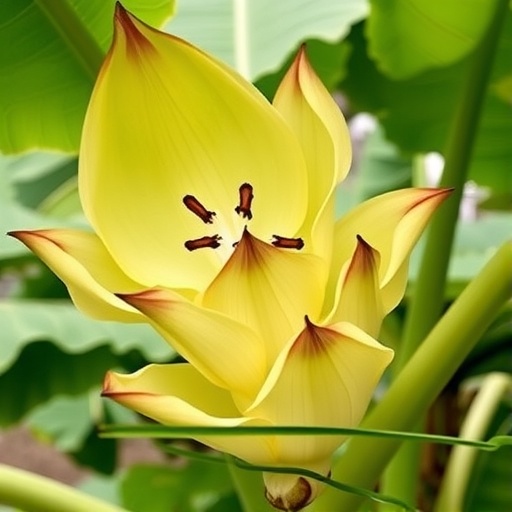
Banana plants, primarily valued for their fruit, generate substantial waste during the harvesting and processing stages. While many parts of the banana plant are used or discarded, the bracts—those colorful, leaf-like structures that encase the flower cluster—often go unnoticed. This study postulates that banana bracts, despite being deemed agricultural waste, contain valuable phytochemicals that could be harnessed for various applications. Through innovative extraction techniques, the researchers aim to unlock the latent potential of these discarded botanical elements.
The research meticulously compares several green extraction methodologies, focusing on their efficiency, environmental impact, and the quality of extracts obtained. Among these methods, the researchers investigated techniques such as microwave-assisted extraction, enzyme-assisted extraction, and supercritical fluid extraction. Each of these approaches presents distinct advantages and potential drawbacks, reflecting their applicability in both laboratory settings and commercial enterprises.
Microwave-assisted extraction stands out for its speed and efficiency. This method utilizes the rapid heating properties of microwaves to facilitate the extraction of bioactive compounds. Not only does it reduce the extraction time significantly, but it also minimizes the solvent usage, making it an eco-friendlier option compared to conventional methods. The preliminary results indicate that this technique yields higher concentrations of phytochemicals from banana bracts, supporting its potential as a preferred extraction method.
Enzyme-assisted extraction, another method under investigation, employs specific enzymes to break down cell walls and release valuable compounds. This biocatalytic approach is particularly attractive because it operates under milder conditions, preserving the integrity of sensitive bioactive molecules that could be destroyed by harsher chemical treatments or extreme heat. The ability to harness enzymes for effective extraction of nutritional and medicinal substances aligns with the global push toward more sustainable and natural processing methods in food technology.
Supercritical fluid extraction (SFE) has gained attention for its ability to selectively extract compounds without the use of harmful solvents. By employing carbon dioxide at elevated temperature and pressure, SFE can target specific phytochemicals with remarkable precision. The researchers in this study are keen to assess the viability of utilizing this method to extract essential oils and other compounds from banana bracts, ultimately aiming to contribute to a more comprehensive understanding of their potential uses and benefits.
Beyond the methodologies, this investigation underscores the essential concepts of waste-to-value conversion and sustainable practices. The banana industry has long grappled with the challenge of biomass disposal, frequently resorting to burning or landfilling. By demonstrating the potential of banana bracts as a resource rather than waste, the researchers are advocating for a paradigm shift that could not only benefit the agricultural sector but also support efforts in environmental conservation and sustainable development.
Furthermore, the extraction of valuable compounds from banana bracts could lead to novel applications in various fields. From incorporating these extracts into nutraceuticals and functional foods to developing natural preservatives in the cosmetics and pharmaceutical industries, the implications of this research extend far beyond the realm of agriculture. The interdisciplinary nature of this work emphasizes the interconnectedness of agriculture, technology, and sustainability.
This study also highlights the importance of community engagement and education in fostering sustainable practices within agricultural sectors. By showcasing the untapped potential of banana bracts, researchers hope to inspire farmers, entrepreneurs, and policymakers to explore innovative ways to utilize agricultural byproducts. Such awareness is vital for encouraging sustainable practices and creating models that promote environmental stewardship at multiple levels.
In addition to highlighting their findings, the researchers acknowledge the need for further exploration and validation of real-world applications. Subsequent studies could focus on conducting large-scale extractions and pilot projects that involve collaboration with local farmers and communities to foster sustainable initiatives. Establishing these partnerships is crucial for creating a robust framework that supports environmental sustainability while economically empowering local agricultural sectors.
Overall, this pioneering research indicates a promising pathway toward valorizing agricultural byproducts such as banana bracts, showcasing the innovative extraction methods that can transform waste into valued resources. The implications of these findings resonate through various sectors, ultimately advocating for a future where sustainability and efficiency coalesce in the realms of agriculture, industry, and environmental management. As awareness of such transformations grows, it may pave the way for more extensive applications and research endeavors focused on turning waste materials into sustainable solutions.
As society increasingly addresses issues surrounding waste and environmental degradation, studies like this one serve as a guiding light for future innovations. The journey toward comprehensive waste valorization is still underway, with the banana bract research acting as a significant catalyst for change. By embracing the opportunities presented by overlooked agricultural materials, it becomes possible to cultivate a more responsible and sustainable relationship with our planet’s resources.
In sum, the potential for banana bracts to be transformed from mere waste to a source of valuable bioactive compounds could ultimately empower significant advances in sustainability and innovation. The findings of this research illustrate that with the right methodologies and a commitment to sustainable practices, previously discarded materials can find new life and purpose. The importance of understanding, valorizing, and utilizing agricultural byproducts cannot be overstated, as these efforts will shape the future of sustainable resource management in a rapidly evolving world.
Subject of Research: Valorization of banana bracts through green extraction methods.
Article Title: Comparative Green Extraction Methods for the Valorization of the Bracts from Banana’s Inflorescence.
Article References: Motta, G.E., Germano, A.T., Vitali, L. et al. Comparative Green Extraction Methods for the Valorization of the Bracts from Banana’s Inflorescence. Waste Biomass Valor (2025). https://doi.org/10.1007/s12649-025-03421-x
Image Credits: AI Generated
DOI: https://doi.org/10.1007/s12649-025-03421-x
Keywords: banana bracts, green extraction methods, sustainable practices, waste valorization, bioactive compounds
Tags: agricultural byproduct applicationsbanana flower bracts utilizationeco-friendly extraction methodsenvironmental impact of extraction methodsenzyme-assisted extraction efficiencygreen extraction techniquesinnovative waste valorizationmicrowave-assisted extraction benefitsphytochemicals in banana bractssupercritical fluid extraction advantagessustainable food practicesvalorizing agricultural waste