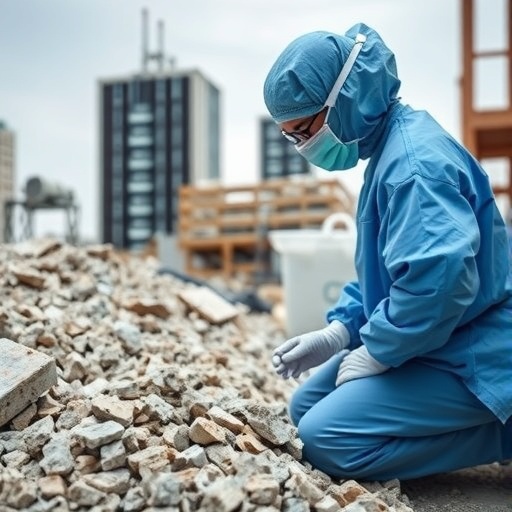
In the aftermath of the devastating earthquake that rocked Türkiye, the resilience and strength of healthcare professionals have come under the spotlight. Among these dedicated individuals are wound, ostomy, and continence nurses, who have faced an enormous challenge in the wake of the disaster. A recent phenomenological study highlights their experiences, shedding light on the emotional and physical toll the earthquake has taken on their professional lives as well as the innovative strategies they employed to overcome unprecedented challenges.
The study, led by prominent researchers Aktaş et al., delves deep into the lived experiences of these nurses as they navigated the chaotic aftermath of the earthquake. For many of these nurses, the devastation was not simply a natural disaster; it was a landscape marked by loss, trauma, and a desperate need for care. These professionals, often referred to as the backbone of healthcare during crises, found themselves at the forefront of a humanitarian effort, providing not only medical care but also emotional support to patients and their families in distress.
As Türkiyenese society tries to come to terms with the extensive damage caused by the earthquake, the psychological burden on healthcare workers is becoming increasingly apparent. This study reveals that many nurses experienced profound feelings of helplessness and anxiety as they confronted the overwhelming demands of their roles. With the healthcare system already strained, the influx of patients with both physical and emotional injuries intensified the challenges that nurses faced.
The research underscores the importance of understanding the emotional and psychological responses of nurses in disaster situations. By collecting firsthand accounts from these nurses, the study captures not only their challenges but also their moments of resilience and hope. Through their narratives, it becomes evident that despite the overwhelming circumstances, these nurses found ways to adapt, innovate, and provide compassionate care. Their stories serve as a testament to the indomitable spirit of healthcare professionals who strive to make a difference, even amidst despair.
In their efforts to navigate the chaos, many wound, ostomy, and continence nurses developed creative solutions to address the immediate healthcare needs of their communities. The study presents numerous examples of how these nurses utilized their skills and training to provide effective care, even in the face of limited resources. They collaborated with other healthcare professionals, utilizing a multidisciplinary approach to ensure comprehensive support for patients.
Furthermore, the nurses reported experiencing a profound sense of community and camaraderie, as they banded together to support one another during this challenging time. This solidarity not only reinforced their ability to cope with the stress but also amplified their capacity to care for patients. It highlights the interconnectedness of healthcare workers and the vital role of teamwork in disaster response.
The nurses also identified the necessity of mental health support for themselves as well as their patients. As they dealt with the traumatic aftermath of the earthquake, they recognized that addressing mental health needs was just as crucial as providing physical care. This realization has prompted conversations about the importance of integrating psychological support into the standard care protocols for nurses working in crisis situations.
This study is not just an account of the devastation; it also illustrates a path forward for improving the healthcare response in disaster situations. By recognizing the unique experiences of wound, ostomy, and continence nurses, policymakers and healthcare leaders can develop strategies to better support these professionals during crises. The integration of peer support programs, mental health resources, and adequate training in disaster response could significantly enhance the ability of nurses to cope with the pressures of their roles.
The research conducted by Aktaş et al. is valuable not only for its immediate implications but also for the insights it provides for future disasters. As climate change and other global factors increase the frequency and intensity of natural disasters, understanding the experiences of healthcare professionals will be crucial in developing effective and sustainable response strategies.
In conclusion, the experiences of wound, ostomy, and continence nurses following the earthquake in Türkiye offer a compelling narrative of resilience and adaptability in the face of adversity. The stories captured in this phenomenological study shine a light on the profound emotional and physical challenges these professionals encountered while also emphasizing the importance of community, collaboration, and mental health support. Moving forward, it is essential for healthcare systems worldwide to learn from these experiences and prioritize the well-being of not only their patients but also the dedicated professionals who work tirelessly to provide care during the most challenging times.
By acknowledging and addressing the unique experiences of healthcare workers in disaster contexts, we can pave the way for more effective healthcare responses and better support systems for those on the front lines.
Subject of Research: Experiences of wound, ostomy, and continence nurses after the earthquake in Türkiye.
Article Title: Experiences of wound, ostomy and continence nurses after the earthquake in Türkiye: a phenomenological study.
Article References:
Aktaş, D., Irmak, B., Aydoğan, S. et al. Experiences of wound, ostomy and continence nurses after the earthquake in Türkiye: a phenomenological study.
BMC Nurs (2025). https://doi.org/10.1186/s12912-025-04200-8
Image Credits: AI Generated
DOI:
Keywords: Resilience, disaster response, wound care, nursing, mental health, healthcare professionals, community support, psychological trauma, adaptability, humanitarian effort, phenomenological study, Türkiye earthquake, healthcare innovation.
Tags: earthquake impact on healthcareemotional toll on nurseshumanitarian efforts by nursesinnovative wound care strategiesnursing care during crisesphenomenological study in nursingpsychological burden of healthcare workersresilience in healthcare professionalssupport for healthcare professionalstrauma and loss in healthcareTürkiye earthquake aftermathwound care nurses experiences