Acute kidney injury (AKI) remains one of the most challenging complications faced in clinical settings, often resulting from toxic insults to the kidneys, such as chemotherapy agents like cisplatin. Despite considerable advances in supportive care, effective targeted therapies to prevent or reverse AKI are limited. A pioneering study published in Scientific Reports in 2026 spearheads a novel approach involving E-selectin-targeted microbubbles combined with ultrasound, dramatically enhancing the renoprotective effects of methylprednisolone in a rat model of cisplatin-induced AKI. This breakthrough heralds a new frontier in precisely targeted renal therapy, potentially revolutionizing how we approach drug delivery in nephrology.
The research team led by Si, Mo, Zhao, and colleagues capitalized on the concept of microbubble-mediated drug delivery, an area rapidly gaining traction in medical sciences. Microbubbles, tiny gas-filled spheres traditionally used as contrast agents in ultrasound imaging, have emerged as versatile vehicles for targeted therapy. By conjugating these microbubbles with molecules that bind to E-selectin—a key cell adhesion molecule upregulated on inflamed renal endothelium—the researchers achieved highly selective delivery of therapeutic agents to sites of injury within the kidney microvasculature.
Cisplatin, an effective chemotherapeutic drug for various malignancies, unfortunately has nephrotoxicity as a significant dose-limiting side effect. It induces AKI primarily through oxidative stress, inflammation, and apoptosis of renal tubular cells. Current renoprotective strategies mainly involve hydration and dose reduction, which are often insufficient. Methylprednisolone, a potent corticosteroid with anti-inflammatory and immunosuppressive properties, has been recognized for its potential renal benefits. However, systemic administration limits its therapeutic index due to widespread side effects, prompting the need for targeted delivery systems to localize its action.
Utilizing E-selectin as a biomarker for inflamed endothelium provided the research team with a unique targeting mechanism. E-selectin is transiently expressed on activated endothelial cells during inflammation, playing a pivotal role in leukocyte rolling and adhesion, thus marking the loci of renal injury precisely. By loading methylprednisolone onto these engineered microbubbles, the scientists sought to increase drug concentration at the site of injury while minimizing systemic exposure and toxicity.
The utilization of ultrasound is a critical aspect of this therapeutic platform. Ultrasound waves can induce the cavitation of microbubbles, leading to their controlled rupture and localized drug release. This synergistic combination optimizes drug delivery in the microenvironment of the injured kidney, enhancing cellular uptake and therapeutic efficacy. Moreover, ultrasound itself aids in temporarily increasing vascular permeability, facilitating deeper penetration of the drug.
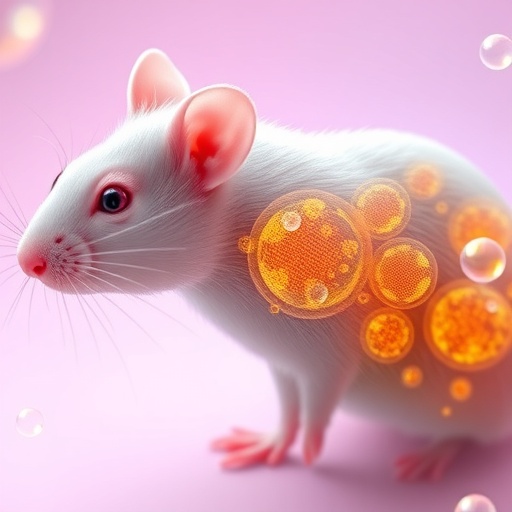
In experimental trials involving rats subjected to cisplatin-induced AKI, this novel therapeutic modality demonstrated remarkable efficacy. Compared to control groups receiving systemic methylprednisolone or untargeted microbubbles, rats treated with E-selectin-targeted microbubbles combined with ultrasound experienced significantly reduced renal inflammation, improved tubular epithelial survival, and lowered serum creatinine levels, a crucial marker of renal function.
Histopathological examinations revealed diminished infiltration of inflammatory cells and preservation of renal tubular morphology in treated animals. These findings were corroborated by molecular analyses showing downregulation of pro-inflammatory cytokines and markers of oxidative stress. Such multifaceted protection is indicative of the synergistic effects of targeted methylprednisolone delivery and ultrasound-mediated enhancement of bioavailability.
One of the most striking aspects of this study is the precise spatiotemporal control afforded by integrating ultrasound with microbubble technology. Unlike conventional drug administration, this approach allows clinicians to noninvasively orchestrate drug release exactly when and where it is needed. This precision reduces off-target effects and may allow for higher effective doses without increasing systemic toxicity, a major limitation encountered in current steroid therapies.
Beyond its immediate implications for AKI, this platform opens avenues for treating myriad renal pathologies characterized by endothelial inflammation and injury, such as glomerulonephritis, diabetic nephropathy, and ischemia-reperfusion injury. The adaptability of the microbubble surface for binding various ligands suggests potential customization for diverse targets and therapeutic agents, highlighting the versatility of this approach.
The study also addresses important safety considerations. The combined treatment did not show adverse effects on cardiovascular parameters or provoke excessive immune responses, reflecting the biocompatibility of the microbubbles and the specificity of targeting. This safety profile is fundamental for translational prospects, as it indicates tolerability in a systemic context.
Technically, the researchers achieved meticulous engineering of the microbubbles, optimizing size, shell composition, and ligand density to balance stability in circulation with efficient ultrasound-triggered release. Additionally, they calibrated ultrasound parameters to maximize therapeutic effects while minimizing tissue damage, underscoring the importance of interdisciplinary collaboration between bioengineers, pharmacologists, and clinicians.
While the study was conducted in animal models, it lays crucial groundwork for clinical trials. The ability to steer drugs to injured renal tissue noninvasively could address longstanding challenges in nephrology therapeutics, including the narrow therapeutic window and lack of targeted drug delivery options. Future investigations will need to establish scalability, dosing regimens, and long-term outcomes in human patients.
Interestingly, this technology might also lend itself to diagnostic applications. Given that E-selectin expression denotes active inflammation, such microbubbles could function as dynamic probes in ultrasound imaging to detect early kidney injury, enabling timely intervention. This theranostic duality exemplifies the cutting-edge nature of this research.
Overall, the convergence of targeted molecular recognition, nano-engineered delivery systems, and ultrasound technology embodied in this study represents a paradigm shift. It underscores how precision medicine principles can be actualized in renal disease management, moving beyond symptom control to sophisticated intervention at the cellular and molecular level. As contemporary medicine grapples with complex organ injuries, such innovative therapies exemplify the transformative potential of bioengineering advances.
In sum, the development of E-selectin-targeted microbubbles combined with ultrasound-induced drug release markedly enhances the renoprotective efficacy of methylprednisolone in cisplatin-induced acute kidney injury. This breakthrough in targeted delivery technology could redefine treatment modalities not only for AKI but also for a broad spectrum of inflammatory kidney diseases, portending a future where precision-directed therapeutics improve patient outcomes dramatically.
Subject of Research: Acute kidney injury; targeted drug delivery; E-selectin; microbubbles; ultrasound; methylprednisolone; cisplatin nephrotoxicity
Article Title: E-selectin-targeted microbubbles combined with ultrasound improves renoprotective effects of methylprednisolone on cisplatin-induced acute kidney injury in rats
Article References:
Si, R., Mo, L., Zhao, C. et al. E-selectin-targeted microbubbles combined with ultrasound improves renoprotective effects of methylprednisolone on cisplatin-induced acute kidney injury in rats. Sci Rep (2026). https://doi.org/10.1038/s41598-026-47547-x
Image Credits: AI Generated
Tags: acute kidney injury treatmentchemotherapy-associated kidney damagecisplatin-induced nephrotoxicityE-selectin targeted microbubblesendothelial cell adhesion moleculeskidney microvasculature inflammationmethylprednisolone renal protectionmicrobubble contrast agentsnephroprotective drug delivery systemsrat models of kidney injurytargeted renal therapyultrasound-mediated drug delivery