A high-molecular-weight polyphenolic polymer extracted from discarded durian seeds demonstrates broad-spectrum neutralizing activity against multiple lineages of severe acute respiratory syndrome coronavirus 2, according to experimental findings published in the Journal of Agriculture and Food Research. In laboratory cell cultures, the proanthocyanidin polymer-enriched fraction, designated by investigators as PPEF, successfully blocked infection by pseudotyped viruses carrying the spike proteins of seven distinct viral variants, ranging from early lineages such as N501Y and Delta to immune-evasive Omicron subvariants including BA.1, BA.2, BA.5, and JN.1. Rather than neutralizing the virus by attaching to the isolated viral receptor-binding domain, the botanical polymer acts on the host side of the infection pathway by binding directly to the human angiotensin-converting enzyme 2 receptor. This extracellular interaction sterically impedes the physical engagement of the viral spike glycoprotein with host cells, preventing membrane attachment and cellular entry. The discovery highlights an unexplored pharmacological property of an abundant tropical agricultural processing residue, establishing a functional basis for converting discarded fruit by-products into antiviral candidates within circular bioeconomy frameworks.
The study addresses the persistent therapeutic challenge posed by the ongoing mutational drift of SARS-CoV-2. Since the emergence of the coronavirus pandemic, more than 770 million confirmed infections and over 7 million fatalities were documented globally through mid-2026. The rapid succession of heavily mutated viral lineages, exemplified by the emergence and global dominance of Omicron subvariants, has substantially degraded the clinical utility of earlier vaccines and therapeutic monoclonal antibodies directed against conserved epitopes of the viral spike protein. These structural shifts create a continuous demand for broad-spectrum antiviral agents capable of maintaining efficacy across antigenically divergent lineages. Natural polyphenolic compounds have long attracted scientific interest as potential antiviral scaffolds due to their general biocompatibility and diverse chemical architectures. Within this broad class, condensed tannins, or proanthocyanidins, represent polymeric flavan-3-ols composed of repeating catechin and epicatechin subunits. While earlier investigations confirmed that proanthocyanidins derived from dedicated agricultural crops such as grape seeds and blueberries can suppress viral entry through ACE2 modulation, farming specialized crops strictly for tannin extraction introduces substantial land-use overhead and high manufacturing costs.
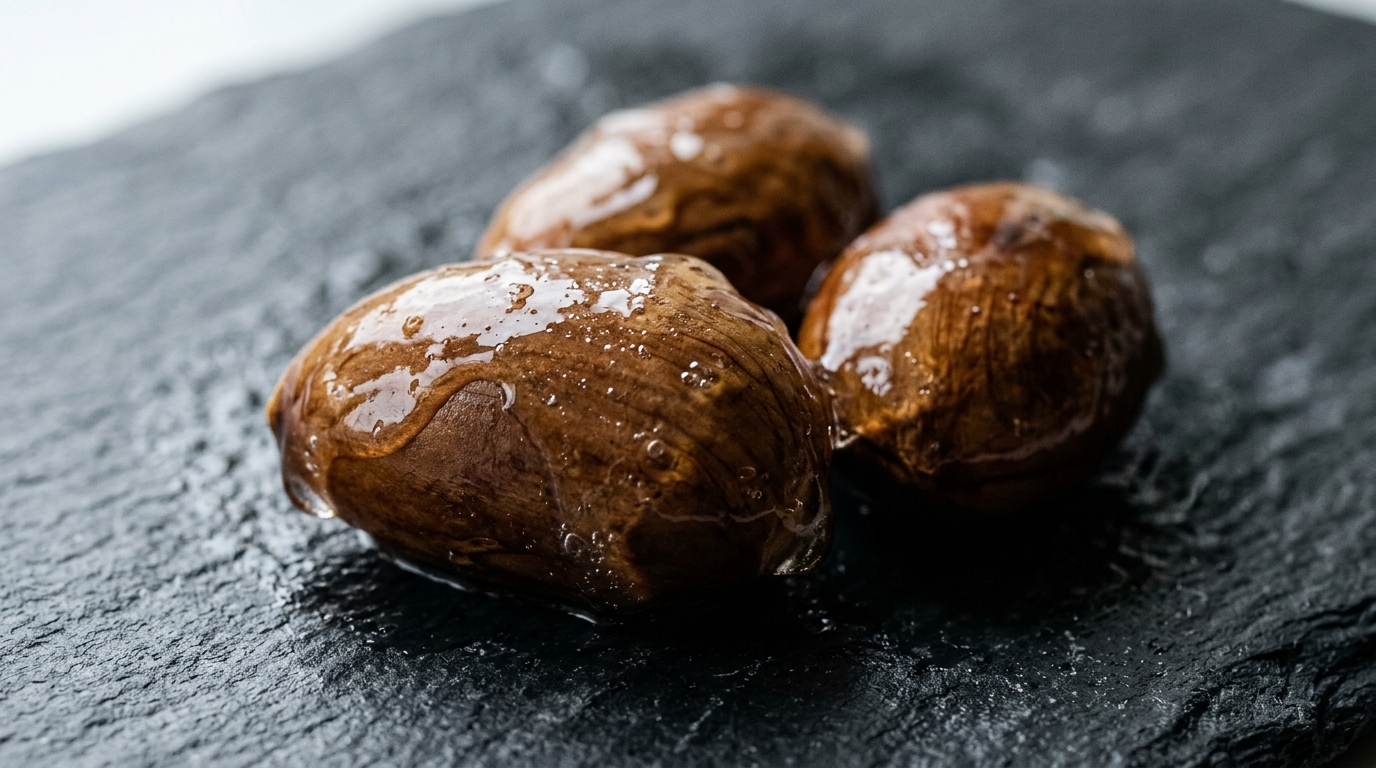
Durian, botanically classified as Durio zibethinus and widely recognized throughout Southeast Asia as the king of fruits, generates significant quantities of processing waste that present persistent environmental and logistical challenges. In Malaysia alone, agricultural production yields approximately 350,000 metric tons of durian annually. Because the edible aril or pulp accounts for only 20 to 35 percent of the total fruit mass, the remaining 65 to 80 percent consists of non-edible rinds and seeds that are routinely discarded into landfills or incinerated. Phytochemical characterizations have established that durian seeds possess remarkably high concentrations of polyphenolic secondary metabolites, predominantly composed of complex proanthocyanidins. Despite the extensive cultivation of the fruit and documented phenolic density in its discarded kernel tissue, the potential of durian seed tannins to serve as broad-spectrum antiviral agents against respiratory pathogens had remained completely unexamined prior to this investigation. Utilizing these agricultural residues provides a dual benefit: addressing industrial organic waste management while generating value-added compounds through green chemical processing methodologies.
To isolate potential antiviral compounds without relying on hazardous organic solvents, the research team implemented a scalable, food-grade-compatible extraction protocol grounded in green chemistry principles. Air-dried durian seeds purchased from a fruit market in Zhuhai, China, were pulverized into a fine powder, and a 500-gram batch was subjected to three successive rounds of reflux extraction using four liters of distilled water per cycle, running for one hour each. The resulting aqueous extract was filtered and loaded onto a column packed with D101 macroporous adsorption resin, a material widely employed in commercial nutraceutical processing for selective polyphenol enrichment. Stepwise elution was performed using 30 percent ethanol followed by 100 percent ethanol to fractionate compounds according to polarity. The 30 percent ethanolic eluate yielded 0.6573 grams of dry extract per 100 grams of initial seed powder, representing an overall recovery yield of 0.6573 percent by weight. While organic co-solvents like aqueous acetone can achieve higher total phenolic yields by disrupting rigid cellular walls, the researchers observed that aggressive solvents co-extract inactive monomeric polyphenols that dilute pharmacological potency.
Initial bioactivity and safety assessments revealed that antiviral potency was exclusively confined to the moderately polar 30 percent ethanolic eluate. Cytotoxicity profiling conducted on African green monkey kidney cells, designated Vero E6, using 3-(4,5-dimethylthiazol-2-yl)-2,5-diphenyltetrazolium bromide, or MTT assays, established that both the 30 percent and 100 percent ethanolic fractions possessed half-maximal cytotoxic concentrations exceeding 100 micrograms per milliliter, demonstrating negligible cytotoxicity across the experimental exposure range of 0.78 to 100 micrograms per milliliter. When challenged with vesicular stomatitis virus-based pseudotyped particles expressing the JN.1 spike protein, the 30 percent ethanolic eluate exhibited marked neutralization, achieving a half-maximal inhibitory concentration of 5.958 micrograms per milliliter. This performance yielded a favorable selectivity index greater than 16.78. Conversely, the 100 percent ethanolic fraction displayed no measurable antiviral inhibition, registering an inhibitory concentration exceeding 100 micrograms per milliliter. For experimental comparison, the reference green tea polyphenol epigallocatechin gallate, known as EGCG, demonstrated an inhibitory concentration of 15.84 micrograms per milliliter and a selectivity index greater than 6.31 under identical assay conditions.
Guided by these preliminary neutralization results, the researchers subjected the active 30 percent ethanolic eluate to bioassay-guided fractionation using medium-pressure liquid chromatography on a reverse-phase C18 stationary column with an acetonitrile-water mobile phase gradient ranging from 15 to 50 percent organic solvent. This primary separation produced eleven distinct fractions, designated F30-1 through F30-11, all of which exhibited low cellular toxicity with cytotoxic thresholds exceeding 100 micrograms per milliliter. Neutralization screens against JN.1 pseudovirus identified subfraction F30-7 as the most active isolate, showing an inhibitory concentration of 19.97 micrograms per milliliter and a selectivity index exceeding 5.01, with adjacent fractions F30-5, F30-6, and F30-8 exhibiting intermediate inhibitory values of 42.70, 30.37, and 73.61 micrograms per milliliter, respectively. Subfraction F30-7 was then applied to a secondary C18 chromatography column run under isocratic conditions with 35 percent methanol in water, generating seventeen further purified subfractions labeled F30-7-1 through F30-7-17. Screening at test concentrations of 25, 50, and 100 micrograms per milliliter pinpointed subfraction F30-7-9 as the premier bioactive constituent, suppressing viral entry by 45.69 percent, 68.37 percent, and 93.43 percent across the three ascending test doses.
Structural elucidation of the peak bioactive subfraction F30-7-9 was executed using nuclear magnetic resonance spectroscopy and matrix-assisted laser desorption/ionization time-of-flight mass spectrometry. Proton NMR spectra recorded in deuterated methanol exhibited heavily broadened, unresolved resonances spanning the aromatic region between 6.5 and 7.5 parts per million and the aliphatic envelope between 2.5 and 5.0 parts per million. Carbon-13 NMR spectra corroborated this macromolecular profile, displaying wide signal clusters between 70 and 90 parts per million representing oxygenated aliphatic carbons, alongside signals between 100 and 160 parts per million corresponding to the aromatic carbons of flavan-3-ol units. Positive-ion reflectron MALDI-TOF mass spectrometry definitively established the polymeric architecture, detecting a regular progression of ion peaks beginning at mass-to-charge ratio 541.17 for pseudodimers and extending through higher-order oligomers reaching up to 4115.68. The diagnostic mass interval separating adjacent peaks measured precisely 288 daltons, matching the molecular mass of single catechin or epicatechin monomeric units. When the pure monomer (−)-epicatechin was tested independently against the JN.1 pseudovirus, it showed no detectable antiviral activity, with an inhibitory concentration exceeding 100 micrograms per milliliter, proving that polymerization is strictly required for antiviral efficacy.
Because the isolated fraction consists of a naturally polydisperse polymeric mixture lacking a single discrete molecular weight, the authors designated the material as proanthocyanidin polymer-enriched fraction, or PPEF, and expressed all experimental concentrations in mass units of micrograms per milliliter. To evaluate whether this durian-derived polymer could withstand extensive spike diversification, the team conducted neutralization assays across a broader panel of seven recombinant pseudoviruses bearing diverse spike variants: N501Y, Delta, B.1.618, and four Omicron sublineages consisting of BA.1, BA.2, BA.5, and JN.1. Dose-response curves revealed that PPEF possessed broad-spectrum antiviral efficacy across every examined variant, maintaining half-maximal inhibitory concentrations situated between 23.38 and 44.91 micrograms per milliliter. The most potent antiviral neutralization was registered against the JN.1 sublineage at 23.38 micrograms per milliliter, whereas neutralization of BA.2 and BA.5 necessitated higher polymer concentrations, yielding inhibitory thresholds of 42.12 and 44.91 micrograms per milliliter, respectively. While the purified polymer displayed higher numerical inhibitory concentrations than the crude 30 percent eluate, it preserved reliable inhibitory capacity against every variant tested.
To uncover the molecular mechanism underlying this entry blockade, the researchers investigated whether PPEF engages the host ACE2 receptor or targets the viral spike glycoprotein directly. Using biolayer interferometry on an Octet platform, histidine-tagged human ACE2 protein was immobilized on nickel-nitrilotriacetic acid biosensor tips and exposed to serially diluted PPEF concentrations ranging from 3.125 to 100 micrograms per milliliter. The optical sensor grams demonstrated rapid concentration-dependent association kinetics followed by slow dissociation, indicative of stable macromolecular complex formation, with steady-state curve fitting establishing an equilibrium dissociation constant of 7.198 micrograms per milliliter. Conversely, parallel biosensor experiments testing PPEF against immobilized receptor-binding domains derived from the Delta and BA.2 variants revealed no detectable specific binding, exhibiting only minor non-specific signal fluctuations attributable to the polydisperse polymer. This direct engagement of host ACE2 was further verified in cell culture via competitive immunofluorescence assays on human embryonic kidney 293T cells transiently transfected with human ACE2. When incubated with fluorescently labeled BA.1 receptor-binding domain protein, the introduction of PPEF at concentrations of 12.5, 25, and 50 micrograms per milliliter provoked significant, dose-dependent reductions in cell-surface receptor binding (p < 0.001).
The preferential inhibition of the JN.1 lineage over BA.2 and BA.5 aligns with the known biophysical mechanics of coronavirus receptor engagement. Because PPEF selectively targets the host ACE2 receptor rather than individual variant receptor-binding domains, differences in antiviral potency reflect the varying intrinsic receptor affinities of the viral spikes. Published structural studies indicate that BA.2 and BA.5 possess elevated baseline binding affinities for human ACE2, allowing them to compete more effectively against receptor-bound polymers and requiring higher PPEF concentrations to achieve neutralization. In contrast, the JN.1 variant possesses a lower intrinsic binding affinity for ACE2, attributable in part to the L455S amino acid substitution in its spike protein, rendering it more vulnerable to displacement when host receptor sites are sterically occupied by proanthocyanidin polymers. Furthermore, differences in viral surface glycan shielding across lineages can influence steric accessibility at the cell-virus interface, modulating the capacity of bulky polymeric complexes to block membrane fusion.
The study authors emphasize several clear methodological limitations that constrain the immediate translation of these findings into clinical settings. Because PPEF is a heterogeneous botanical phytocomplex composed of multiple oligomers with varying degrees of polymerization rather than a single monodisperse chemical entity, defining precise structure-activity relationships and establishing rigorous pharmaceutical quality control standards present substantial technical hurdles. In addition, the antiviral evaluations were performed exclusively in vitro using vesicular stomatitis virus-based pseudotyped models within immortalized cell cultures. While pseudovirus platforms provide safe and well-established surrogates for dissecting viral entry mechanisms, they cannot replicate the complex pathological environments, tissue biodistribution, metabolic degradation, and dynamic immune responses encountered in living mammalian organisms. The researchers note that rigorous validation using authentic, replication-competent SARS-CoV-2 strains in biosafety level 3 biocontainment facilities, coupled with subsequent animal efficacy and pharmacokinetic studies, will be mandatory before any therapeutic or nutraceutical applications can be pursued.
Notwithstanding these operational constraints, the characterization of PPEF provides compelling proof of principle for upcycling agricultural waste into functional biomedical and biotechnical resources. Global durian processing annually generates hundreds of thousands of tons of nutrient-rich seed mass that currently burdens regional waste processing infrastructures. By applying straightforward aqueous reflux extraction and macroporous resin chromatography, functional polymers can be concentrated without hazardous organic solvents, yielding a biologically active material capable of interfering with a critical gateway of viral pathogenesis. By detailing the chemical signatures, macromolecular mass profiles, and ACE2-binding dynamics of durian seed tannins, this research bridges agricultural waste valorization with natural product antiviral pharmacology, laying a reproducible experimental groundwork for future investigation into plant-derived macromolecular entry inhibitors.
Subject of Research: Antiviral activity and ACE2-binding mechanism of durian seed proanthocyanidin polymers against SARS-CoV-2 variants
Article Title: Identification of a proanthocyanidin polymer with broad-spectrum anti-SARS-CoV-2 activity from durian seed
Article References: Gao, J., Zhang, D., Xiong, H., Zhang, Y., Hu, Y., Wu, A., Zeng, J., Tan, L., Zhu, G.-Y., & Wong, V. K.-W. (2026). Identification of a proanthocyanidin polymer with broad-spectrum anti-SARS-CoV-2 activity from durian seed. Journal of Agriculture and Food Research, 32, Article 103475. https://doi.org/10.1016/j.jafr.2026.103475
Image Credits: AI Generated
DOI: 10.1016/j.jafr.2026.103475
Keywords: Durio zibethinus, durian seeds, proanthocyanidins, condensed tannins, SARS-CoV-2, JN.1 variant, pseudovirus neutralization, angiotensin-converting enzyme 2, biolayer interferometry, macroporous adsorption resin, polyphenol extraction, MALDI-TOF mass spectrometry, antiviral polyphenols, agricultural waste valorization, viral entry inhibition, epicatechin polymers, Vero E6 cells
News Source: Alan Morgan. (November 29, 2026). Durian Seed Polymers Block Coronavirus Entry Across Multiple Variants in Laboratory Tests. Scienmag.