


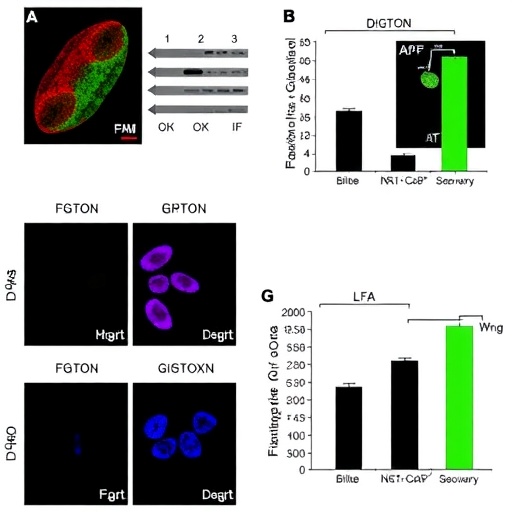
Recent studies have uncovered significant insights into the mechanisms by which digitoxin, a compound traditionally used in the treatment of heart conditions, influences ovarian granulosa cells, resulting in apoptosis and ultimately impacting female reproductive health. This area of research has garnered attention for its potential implications in understanding fertility issues and ovarian function, particularly in light of the increasing prevalence of reproductive health disorders. Such insights are vital as they can shape future therapeutic strategies targeting reproductive health.
Ovarian granulosa cells play an essential role in the development and maturation of ovarian follicles, which in turn are crucial for the production of oocytes and ultimately for female fertility. Their health and functionality can determine the success of ovulation and the overall reproductive performance of an individual. Therefore, any factors that disrupt the viability of these cells, such as exposure to digitoxin, may have far-reaching consequences.
The study by Jiang et al. highlights how digitoxin induces apoptosis, or programmed cell death, in these cells, suggesting a direct and harmful effect of this compound on ovarian health. Apoptosis is a normal physiological process; however, its dysregulation can lead to pathological conditions. For granulosa cells, enhanced apoptosis can lead to insufficient follicle development, which may compromise the entire reproductive process.
With digitoxin’s mechanism examined, researchers are focusing on how it triggers specific intracellular pathways associated with cell death. One of the central themes in this research is the exploration of oxidative stress and the role it plays in cell survival and death. Digitoxin may escalate oxidative stress levels, pushing the balance in favor of apoptosis, which could explain the pronounced effects observed in ovarian granulosa cells.
This research aligns with broader studies on the consequences of environmental toxins and pharmaceuticals on reproductive health. Growing concern around how various substances impact fertility necessitates inquiry into commonly prescribed medications and their long-term implications, making findings such as those by Jiang et al. particularly pertinent.
Of considerable interest is how digitoxin’s effects might translate into practical scenarios concerning women’s health. The compromised ability of ovarian granulosa cells to support follicular development could lead to challenges in achieving natural conception. Furthermore, understanding the precise pathways influenced by digitoxin can open avenues for potential interventions that might mitigate these adverse effects.
Fertility preservation techniques and treatments are receiving more attention as reproductive challenges increase globally. The study’s findings could provide important groundwork for developing pharmacological agents or therapeutic strategies that can counteract digitoxin’s effects. This could ultimately assist women who are exposed to the drug, whether for medical purposes or through environmental exposure.
Community health perspectives raise questions about the broader implications of digitoxin exposure. While its use is primarily associated with cardiac conditions, this research elucidates how medications might inadvertently affect other organ systems. Prioritizing the assessment of reproductive toxicity in drug development could become a larger focus moving forward.
Moreover, continued research is necessary to examine recovery mechanisms following digitoxin exposure. Are granulosa cells responsive to withdrawal of the drug? Can reproductive performance be restored after exposure? These questions remain crucial as they will determine the feasibility of therapeutic approaches aimed at restoring ovarian function post-exposure.
In examining long-term consequences, researchers must explore how digitoxin impacts not only immediate cell survival but also the potential for future generations. If granulosa cell function is permanently compromised, the resulting effects on oocyte quality could have implications beyond the individual’s reproductive window.
The incorporation of reproductive endocrinology research can also provide insight into how other factors may exacerbate digitoxin’s effects. Factors such as age, pre-existing medical conditions, and lifestyle choices may interplay with digitoxin exposure to shape an individual’s reproductive landscape, thereby providing a more comprehensive understanding of fertility challenges.
Advancements in molecular biology techniques allow researchers to delve deeper into the signaling pathways involved in digitoxin-induced apoptosis. By leveraging techniques like CRISPR or RNA sequencing, scientists can elucidate specific genes that may either promote or suppress apoptosis in granulosa cells when exposed to digitoxin, paving the way for targeted therapies in the future.
The implications of this research extend beyond clinical applications. Public health initiatives may benefit by raising awareness of potential reproductive health risks associated with certain medications. Appropriate regulations or guidelines could emerge to limit exposure to harmful substances in both pharmacological and environmental contexts, ensuring healthier futures for women.
In summary, the work conducted by Jiang et al. sheds light on an alarming intersection between cardiac medication and reproductive health, elucidating how digitoxin disrupts the delicate balance necessary for healthy follicular development. The thorough investigation of digitoxin’s mode of action emphasizes the need for comprehensive approaches in understanding drug interactions and toxicity, particularly in sensitive populations such as women of childbearing age.
As this line of research progresses, it is important for stakeholders in medicine, public health, and policy to engage with these findings, ensuring they translate into better health practices and preventative measures for reproductive health.
This compelling body of work not only raises significant concern regarding digitoxin but also highlights the critical need for interdisciplinary research that bridges pharmacology with reproductive health. By pursuing a deeper understanding of the mechanisms at play, the scientific community can better anticipate the implications of existing medications on fertility and reproductive performance, potentially leading to safer alternatives and informed guidelines for use in various populations.
Subject of Research: Digitoxin-induced apoptosis in ovarian granulosa cells
Article Title: Digitoxin-induced apoptosis in ovarian granulosa cells disrupts follicular development and impairs reproductive performance
Article References: Jiang, Y., Lv, M., Zhong, Y. et al. Digitoxin-induced apoptosis in ovarian granulosa cells disrupts follicular development and impairs reproductive performance. J Ovarian Res (2026). https://doi.org/10.1186/s13048-026-01965-7
Image Credits: AI Generated
DOI: 10.1186/s13048-026-01965-7
Keywords: digitoxin, apoptosis, ovarian granulosa cells, reproductive health, fertility, oxidative stress, pharmacology, women’s health.
Tags: apoptosis in female reproductive cellsdigitoxin and female fertilitydigitoxin and ovarian functiondigitoxin effects on ovarian healthfemale reproductive health implicationsfertility issues related to digitoxingranulosa cell apoptosis mechanismsheart medication impact on fertilityovarian follicle development disruptionreproductive health research advancementstherapeutic strategies for reproductive disordersunderstanding ovarian health challenges



