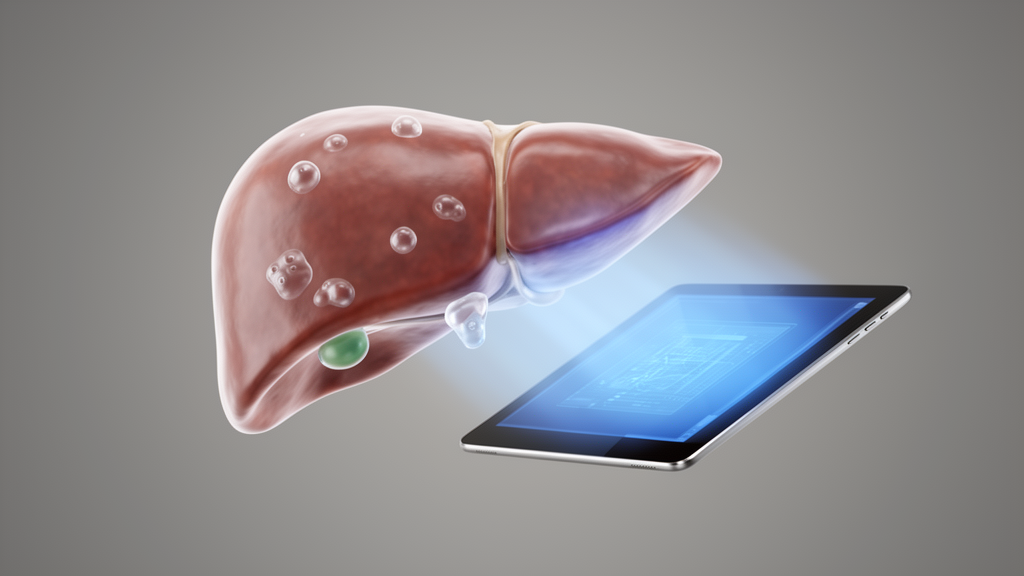
A quasi-experimental study conducted at the University of Malaya Medical Centre evaluated a guideline-based e-learning module on clinicians' knowledge, attitudes, behaviours, and clinical outcomes in liver cyst management. The research, published in BMC Medical Education, focused on a common medical scenario where incidental liver cysts are frequently managed conservatively. However, the study highlighted that poor adherence to established guidelines often leads to unnecessary imaging, referrals, and increased healthcare costs. By evaluating the impact of digital education on clinicians, the study provides evidence that structured e-learning can influence real-world clinical outcomes and resource utilization in hepatobiliary practice.
The study involved 54 clinicians from surgical, gastroenterology, and primary care departments at the University of Malaya Medical Centre. The researchers designed a quasi-experimental framework to assess changes in knowledge, attitude, and behavior over time. Assessments were conducted at baseline, immediately after the intervention, and at one and three-month intervals.
The study also evaluated technology acceptance using the Technology Acceptance Model, or TAM, to understand how clinicians perceived the digital intervention.
Statistical analysis revealed significant improvements in knowledge scores across the four assessment points, with a Friedman chi-squared value of 76.66 and a p-value of less than 0.001. Attitude scores also showed significant improvement, with a chi-squared value of 21.00 and a p-value of 0.001. These statistical findings indicate that the e-learning module was effective in enhancing both the cognitive and attitudinal aspects of clinical practice. The improvements were maintained at the three-month mark, suggesting that the educational intervention had a durable impact on the clinicians involved in the study.
Real-world clinical outcomes were compared over three months before and after the implementation of the e-learning module. Following implementation, total imaging requests decreased from 119 to 48, including reductions in ultrasound, CT, and MRI utilization. The study also noted a decrease in follow-up imaging requests, with more patients being discharged without further investigation.
Financial implications of the intervention were also analyzed, with estimated imaging and follow-up costs decreasing from RM33,910 to RM11,425. This cost reduction demonstrates the potential for digital education to contribute to resource stewardship in healthcare systems. Guideline adherence increased from 41.1% to 65.4%, indicating a substantial improvement in the consistency of clinical practice with established standards. TAM measures remained favourable, indicating sustained clinician acceptance of the intervention.
The findings of this study support the use of digital education as a scalable approach to improving guideline adherence in hepatobiliary practice.
Subject of Research: Impact of digital educational interventions on liver cyst management and healthcare resource utilization
Article Title: Optimising liver cyst management: a digital educational intervention study
Article References: Tiang, K.-P., Asfian, M. R. M., Rajandram, R., Anuar, N. A. K., Lee, Y. S., & Koh, P. S. (2026). Optimising liver cyst management: a digital educational intervention study. BMC Medical Education. https://doi.org/10.1186/s12909-026-10768-9
Image Credits: AI Generated
DOI: 10.1186/s12909-026-10768-9
Keywords: liver cysts, digital education, clinical guidelines, healthcare costs, medical training, quasi-experimental study, imaging utilization, hepatobiliary practice, Optimising, liver, cyst, management
News Source: Courtney Benton. (November 8, 2026). Digital Educational Intervention Associated With Reduced Liver Cyst Imaging. Scienmag.