In a groundbreaking study published in BMC Endocrine Disorders, researchers led by El-Sehrawy et al. have unveiled a novel dietary index aimed at understanding the intricate relationship between gut microbiota, Hashimoto’s thyroiditis biomarkers, and metabolic parameters among women of reproductive age. This pioneering research sheds light on the importance of diet in managing autoimmune thyroid disorders, which are increasingly prevalent among women globally.
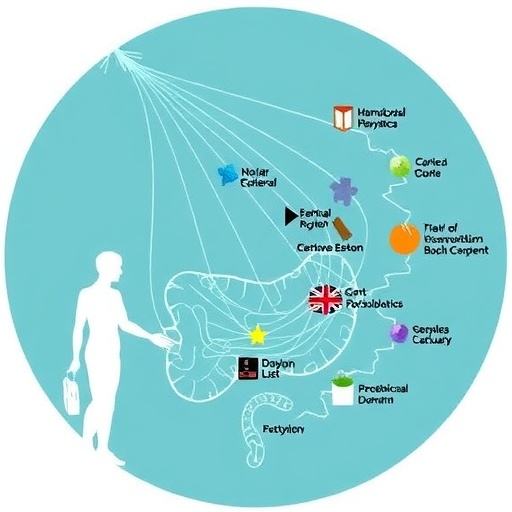
The study draws upon a comprehensive body of evidence that highlights the significant role of gut microbiota in influencing various physiological processes, including metabolism and immune function. The innovative dietary index developed by the researchers serves as a tool for assessing the quality of dietary patterns and their impact on gut health. By establishing a direct correlation between dietary choices and gut microbiome diversity, this research not only broadens the existing knowledge but also opens new avenues for therapeutic interventions.
Hashimoto’s thyroiditis, an autoimmune disorder characterized by the gradual destruction of the thyroid gland, is often associated with various metabolic issues such as obesity and insulin resistance. Women of reproductive age are particularly susceptible to this condition, making it imperative for researchers to explore new methodologies for prevention and management. The study effectively emphasizes that dietary modifications may serve as a strategic approach to enhancing the quality of life for these women.
The researchers meticulously analyzed data gathered from a diverse cohort of women diagnosed with Hashimoto’s thyroiditis. By employing advanced statistical methods, they assessed the interplay between the dietary index scores, thyroid function markers, and metabolic parameters such as body mass index (BMI), blood glucose levels, and lipid profiles. The findings revealed that women adhering to a microbiota-friendly diet—characterized by high fiber, probiotics, and varied plant-based foods—exhibited improved thyroid function and healthier metabolic profiles.
The significance of this discovery cannot be overstated, especially in light of the global rise in autoimmune diseases. Hashimoto’s thyroiditis affects an estimated 1-2% of the population, with a much higher prevalence in women. Therefore, the integration of dietary management into conventional treatment protocols may offer a holistic approach to address the multifaceted challenges posed by autoimmune conditions.
Further emphasizing the relevance of gut health, the study also examined specific biomarkers associated with Hashimoto’s thyroiditis, including anti-thyroid peroxidase antibodies (anti-TPO) and thyroglobulin antibodies. These biomarkers serve not only as indicators of disease progression but also as potential targets for dietary interventions. Women with lower levels of these antibodies were found to have higher adherence to the novel dietary index, suggesting a protective effect of the gut microbiota on autoimmune responses.
One of the standout features of this research is the exploration of metabolic parameters in conjunction with thyroid function. The intricacies of how thyroid hormones modulate metabolic processes highlight the necessity for a multidisciplinary approach involving endocrinologists, nutritionists, and dietitians. The cross-disciplinary implications of these findings could pave the way for personalized nutrition plans tailored to enhance thyroid health and overall well-being in women.
Moreover, the research underscores the concept of “food as medicine,” advocating for a paradigm shift in how dietary habits are perceived within the context of chronic diseases. Rather than viewing food merely as a source of calories, this study encourages individuals to recognize dietary choices as vital components in managing health, particularly in the context of autoimmune disorders like Hashimoto’s thyroiditis.
In addressing the complexities of dietary patterns, the researchers acknowledged variations among individuals and the need for flexible dietary recommendations. What may work for one individual might not yield the same results for another, necessitating a tailored approach grounded in personalized assessments of gut health, nutrient absorption, and metabolic responses. This tailored approach is foundational to the future of integrative healthcare, where personalized nutrition plays a critical role.
The implications of this study extend beyond individual health to encompass public health strategies. Educating women of reproductive age about the potential benefits of a gut microbiota-friendly diet could lead to significant strides in the prevention of Hashimoto’s thyroiditis and related metabolic disorders. Additionally, there is an urgent need to incorporate these findings into public health policies that promote nutrition education as a primary intervention strategy.
As we move forward, it will be crucial for future studies to corroborate these findings and explore the long-term effects of dietary modifications on thyroid health and metabolic outcomes. Longitudinal studies examining the impact of sustained dietary changes on gut microbiota composition and function could further illuminate the mechanisms at play and offer more profound insights into potential treatment strategies.
Ultimately, the groundbreaking nature of this research lies not only in its findings but also in its potential to inspire further investigations into the connections between diet, gut health, and autoimmune disorders. As we continue to unravel the complexities of the human body, studies like this one will undoubtedly play a significant role in reshaping our understanding of health and disease dynamics.
In conclusion, the study by El-Sehrawy et al. represents a crucial advancement in bridging the gap between nutrition, gut microbiota, and autoimmune health. As awareness grows regarding the integral role of diet in managing autoimmune conditions, we may witness a transformative shift in treatment strategies aimed at improving the lives of countless women battling with Hashimoto’s thyroiditis.
Subject of Research: The relationship between gut microbiota, Hashimoto’s thyroiditis biomarkers, and metabolic parameters in women of reproductive age.
Article Title: Association between the novel dietary index for gut microbiota, biomarkers of Hashimoto’s thyroiditis, and metabolic parameters among women of reproductive age.
Article References:
El-Sehrawy, A.A.M.A., Khalel, M.s., Elbaz, A. et al. Association between the novel dietary index for gut microbiota, biomarkers of hashimoto’s thyroiditis and metabolic parameters among women of reproductive age.
BMC Endocr Disord (2025). https://doi.org/10.1186/s12902-025-02139-0
Image Credits: AI Generated
DOI:
Keywords: Gut Microbiota, Hashimoto’s Thyroiditis, Dietary Index, Autoimmune Disease, Metabolic Parameters, Women’s Health, Nutrition, Public Health.
Tags: autoimmune thyroid disorders managementdietary index and autoimmune disordersdietary patterns and gut microbiomegut microbiota and Hashimoto’s thyroiditishormonal health and nutritioninsulin resistance and dietmetabolism and gut healthnutrition and immune functionobesity and thyroid diseasereproductive age women and healththerapeutic interventions for Hashimoto’swomen’s health and thyroid function