As the global population ages, the quest for longevity and improved quality of life in later years becomes ever more pertinent. Recent research has highlighted the complex relationship between diet and longevity, particularly in the fascinating case of centenarians—individuals who reach the remarkable age of 100 years or more. In a groundbreaking study conducted by Frias-Toral, Reytor-González, Annunziata, and colleagues, deeper insights have been offered into how nutritional habits and dietary choices among centenarians may contribute to their extraordinary lifespan. This research is significant as it unravels the dietary patterns that allow certain individuals to defy age-related expectations.
The study examined a variety of dietary practices prevalent among a sample group of centenarians from different cultural backgrounds. By analyzing both macronutrient and micronutrient intake, the researchers aimed to pinpoint not only the foods consumed, but also the balance of nutrients and its impact on health outcomes. This multifaceted approach underscores the intricacies involved in establishing an effective diet that supports longevity. The diversity among participants allowed for a comprehensive analysis that could highlight universal dietary trends, as well as region-specific practices that promote a longer, healthier life.
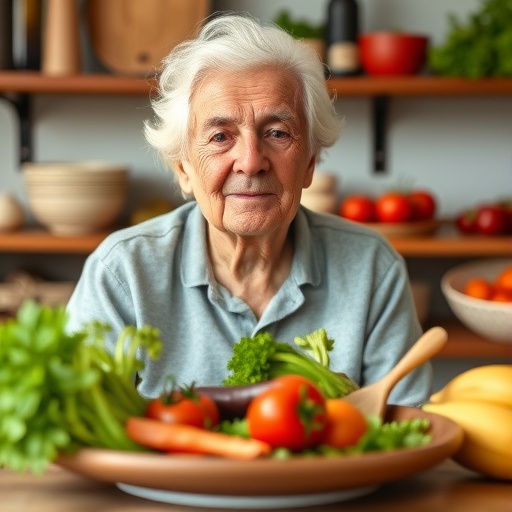
One of the central findings of the study is the significance of plant-based foods in the diets of centenarians. The researchers identified a prevalent consumption of fruits, vegetables, legumes, and whole grains. These foods are high in essential vitamins, minerals, and antioxidants, which combat oxidative stress—the deterioration of cells caused by free radicals that can contribute to aging and the development of chronic diseases. A diet rich in these components potentially translates into better health outcomes and increased longevity, supporting the idea that adopting a predominantly plant-based diet may be a key factor in attaining a long life.
In addition to plant-based foods, the study explores the role of healthy fats, particularly those derived from sources such as olive oil and fish. These fats are abundant in omega-3 fatty acids, known for their anti-inflammatory properties and positive effects on heart health. Researchers found that many centenarians consumed these healthy fats on a regular basis, correlating with lower incidences of heart disease and stroke among this demographic. This reinforces the hypothesis that not all fats are detrimental; rather, the type and quality of fat play critical roles in maintaining heart health and enhancing longevity.
Another striking component of the dietary patterns observed among centenarians is the emphasis on moderation and portion control. Culturally, many of these individuals were found to engage in mindful eating practices, which not only fostered better digestion but also contributed to weight management and overall health. This contrasts sharply with modern eating habits observed in younger populations, characterized by overconsumption and the prevalence of fast food. The insights from the centenarians suggest that a balanced approach to eating, where moderation is key, can significantly affect not only lifespan but also the quality of life.
The research also delves into the psychological aspects of diet and longevity. Social influences, such as communal meals shared with family and friends, play a crucial role in reinforcing healthy eating habits. Participants reported that these interactions not only enhanced their enjoyment of food but also encouraged discipline in choosing healthier options. Loneliness and isolation, often seen in younger generations, were notably absent in the lives of these centenarians, suggesting that social engagement and emotional wellbeing are critical components of their longevity.
Physical activity emerged as another vital factor intertwined with dietary habits among centenarians. The study indicated that regular, moderate exercise, coupled with a nutrient-rich diet, creates a synergistic effect that supports overall health and longevity. Many centenarians engaged in activities like walking and gardening, which are not only enjoyable but also promote physical fitness. This relationship highlights the need for a holistic approach encompassing both diet and exercise for fostering longevity.
The researchers placed significant emphasis on traditional diets, many of which have been passed down through generations. These diets often emphasize local, seasonal produce that is less processed, leading to higher nutritional quality. The consumption of traditional, home-cooked meals appears to be a significant driver of health and longevity among centenarians. In stark contrast, the rise of convenience foods and processed snacks in modern diets may contribute to declining health in other populations, reinforcing the dichotomy between traditional dietary practices and contemporary food trends.
Moreover, the researchers raised important questions about food education and public policy. Given the insights gleaned from centenarians, there is potential for re-evaluating dietary recommendations and implementing policies that encourage whole, nutrient-dense foods. This research invites health professionals and policymakers to rethink strategies for promoting healthier diets in the general population. By understanding what drives the prolonged health of centenarians, there may be an opportunity to develop targeted interventions that could improve dietary practices across all age groups.
As the study emphasizes, genetics do play a role in longevity, however, environmental factors and lifestyle choices wield considerable influence over health outcomes as well. The lifestyle of centenarians depicted in this research serves as an educational tool for younger generations. Emulating some of the positive habits observed among these individuals—such as a balanced diet, regular physical activity, and robust social connections—could potentially lead to improved health in later years.
In conclusion, the multifaceted relationship between diet, longevity, and overall well-being has been revitalized through this critical study. While genetics may set the framework for lifespan, nutrition, social interactions, and lifestyle choices appear to be pivotal in pushing the boundaries of longevity. The study provides not only a glimpse into the aging process but also a pathway for implementing dietary and lifestyle changes that may contribute to longer, healthier lives. As discussions around aging and health continue to evolve, the lessons learned from centenarians are invaluable in shaping future dietary guidelines and health initiatives aimed at enhancing quality of life.
This foundation helps build a more sustainable approach to health that is rooted in the wisdom of those who have lived long and full lives, showcasing the importance of nutrition and lifestyle in our quest for longevity. As research progresses, it is crucial to remain open to the possibilities presented by these findings, and to reflect on how they can be integrated into our own lives to promote better health across generations.
Subject of Research: The Relationship Between Nutrition and Longevity in Centenarians
Article Title: Nutrition and Longevity – Diet in Centenarians
Article References:
Frias-Toral, E., Reytor-González, C., Annunziata, G. et al. Nutrition and longevity – diet in centenarians.
J Transl Med (2026). https://doi.org/10.1186/s12967-026-07691-4
Image Credits: AI Generated
DOI: 10.1186/s12967-026-07691-4
Keywords: Nutrition, Longevity, Centenarians, Diet, Health, Mediterranean Diet, Healthy Aging, Plant-Based Foods, Lifestyle Choices, Physical Activity.
Tags: centenarian nutrition researchcultural dietary practices and longevitydietary habits of centenariansdietary patterns of long-lived individualsimpact of diet on lifespanlongevity and nutritionmacronutrients and health outcomesmicronutrients in elderly dietsnutritional choices for healthy agingplant-based foods and agingregion-specific dietary habitsuniversal trends in longevity diets