• HOME
  • NEWS
  • EXPLORE
    • CAREER
      • Companies
      • Jobs
    • EVENTS
    • iGEM
      • News
      • Team
    • PHOTOS
    • VIDEO
    • WIKI
  • BLOG
  • COMMUNITY
    • FACEBOOK
    • INSTAGRAM
    • TWITTER
Thursday, April 9, 2026
BIOENGINEER.ORG
No Result
View All Result
  • Login
  • HOME
  • NEWS
  • EXPLORE
    • CAREER
      • Companies
      • Jobs
        • Lecturer
        • PhD Studentship
        • Postdoc
        • Research Assistant
    • EVENTS
    • iGEM
      • News
      • Team
    • PHOTOS
    • VIDEO
    • WIKI
  • BLOG
  • COMMUNITY
    • FACEBOOK
    • INSTAGRAM
    • TWITTER
  • HOME
  • NEWS
  • EXPLORE
    • CAREER
      • Companies
      • Jobs
        • Lecturer
        • PhD Studentship
        • Postdoc
        • Research Assistant
    • EVENTS
    • iGEM
      • News
      • Team
    • PHOTOS
    • VIDEO
    • WIKI
  • BLOG
  • COMMUNITY
    • FACEBOOK
    • INSTAGRAM
    • TWITTER
No Result
View All Result
Bioengineer.org
No Result
View All Result
Home NEWS Science News Biology

Described 28 years post-collection, new grass species makes a strong case for conservation

Bioengineer by Bioengineer
July 5, 2018
in Biology
Reading Time: 2 mins read
0
Share on FacebookShare on TwitterShare on LinkedinShare on RedditShare on Telegram
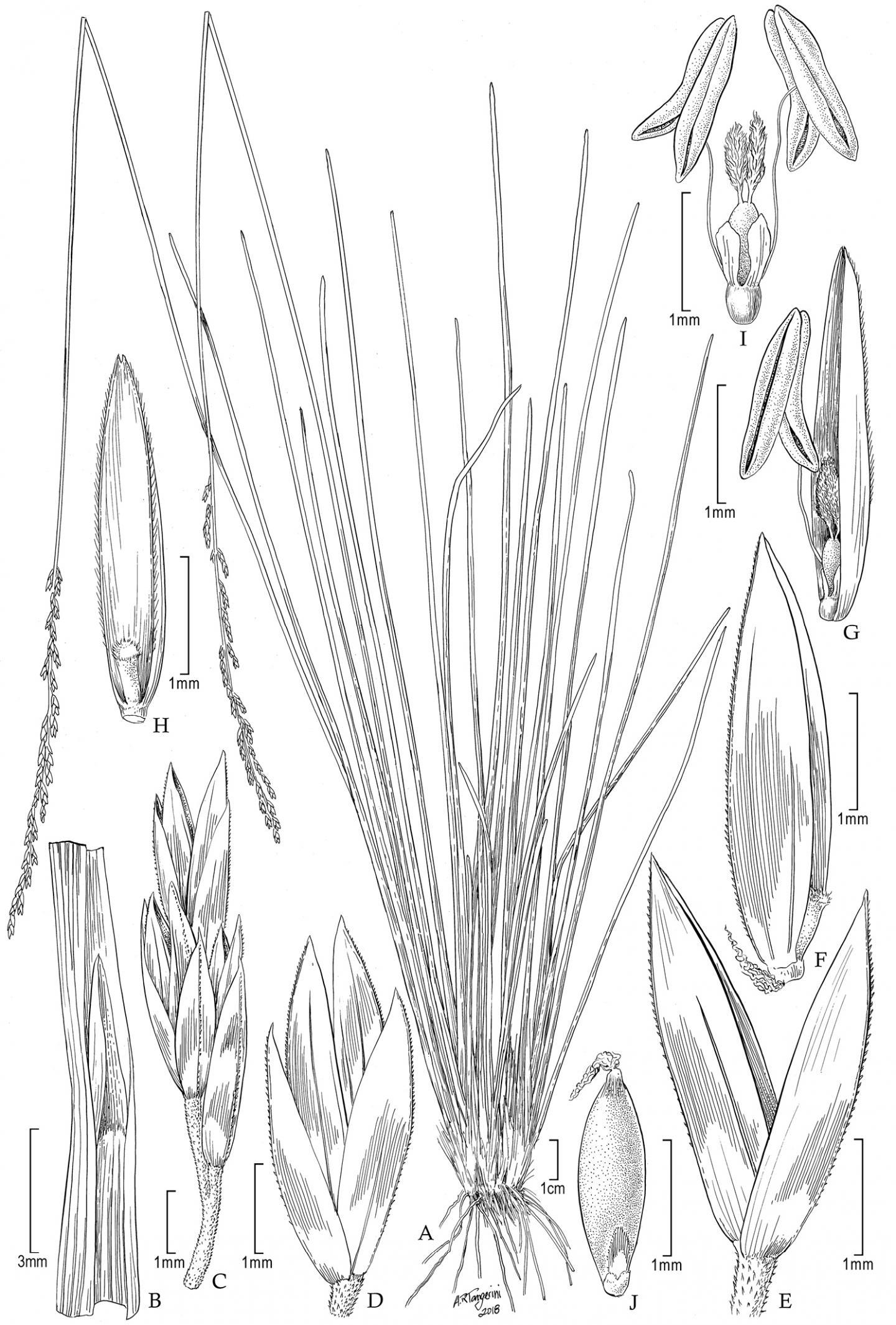
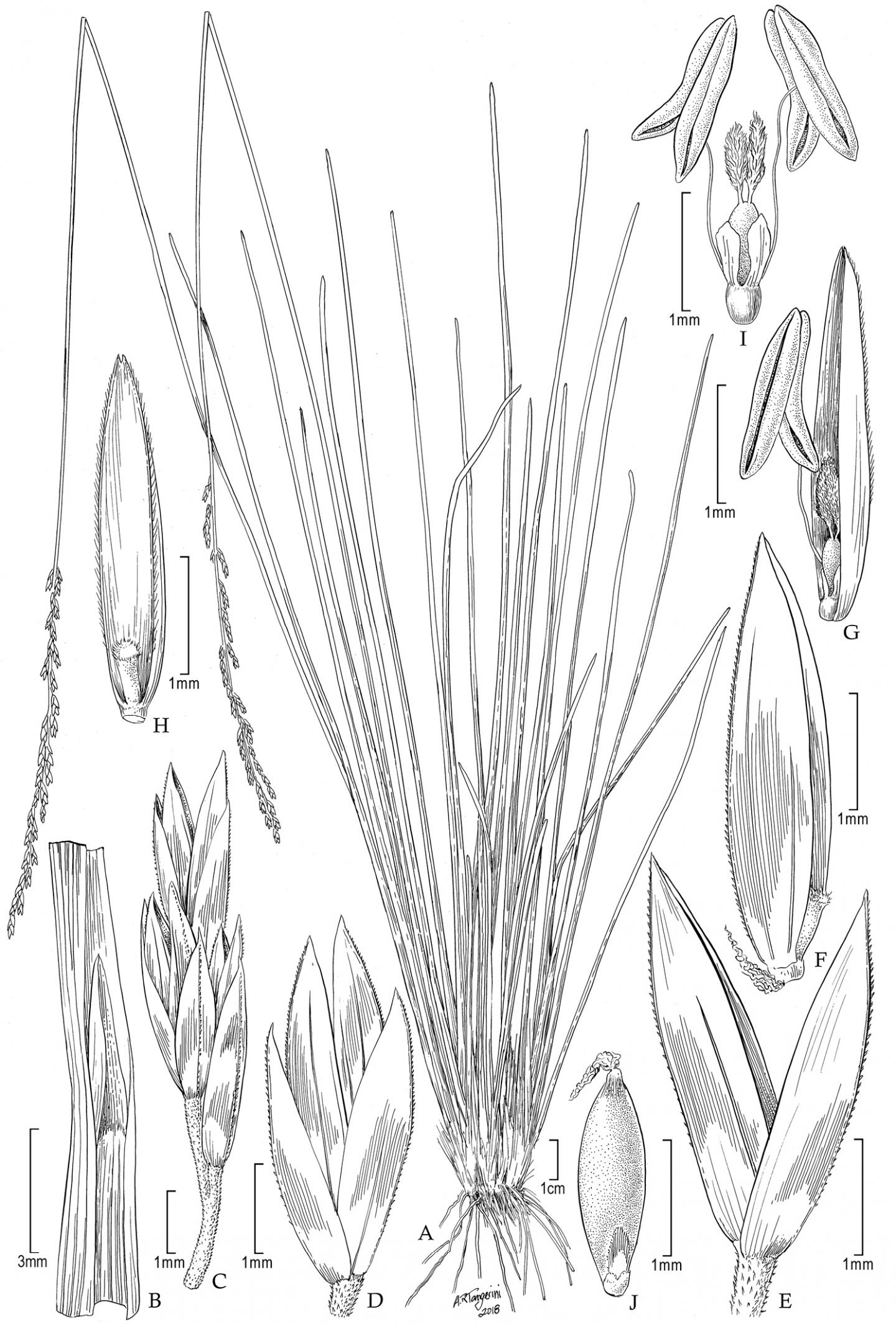
IMAGE

Credit: Alice R. Tangerini

Originally collected 28 years ago in Ecuador, new species Poa laegaardiana has been just described, only to find out its prospects for surviving in its type location seem bleak nowadays. The study was published in the open access journal PhytoKeys.

When roaming in the Cordillera de los Andes of Ecuador, near the village of Facundo Vela, little did Smithsonian scientist and author, Dr. Paul M. Peterson, know that a small grass specimen will not only turn out to be an intriguing new species, but will also make a big statement on the importance of conservation.

Almost three decades after its original collection the new species P. laegaardiana has finally emerged from its herbarium collection, but the story took an unexpected twist.

It took the authors a single Google Earth search to find out that what used to be the natural habitat of the newly found densely tufted bunchgrass, is now occupied predominantly by small farms.

Heavy agricultural use of the terrain, poses a good possibility for P. laegaardiana to have already been extirpated from this location. With the species currently known only from this area, chances are that this newly described species, might in fact turn out to be already extinct.

"Further studies are needed to search the area and browse collections for specimens from different locations," explains Dr. Peterson. "But, in fact, it may well be that with our study we are documenting a possible extinction of a species, happening in the space of just 30 years. The story of P. laegaardiana serves to show how human-induced habitat loss can indeed be a major threat to the survival of life on Earth."

The new species was named after renowned Danish botanist Simon Laegaard, who has made extensive collections in South America, Greenland, Ecuador, and Bolivia (accompanied by the authors) contributing to the documentation of the flora to make informed conservation and management plans.

###

Original Source:

Peterson PM, Soreng RJ (2018) Poa laegaardiana, a new species from Ecuador (Poaceae, Pooideae, Poeae, Poinae). PhytoKeys 100: 141-147. https://doi.org/10.3897/phytokeys.100.25387

Media Contact

Paul M. Peterson
[email protected]
@Pensoft

http://www.pensoft.net

Related Journal Article

http://dx.doi.org/10.3897/phytokeys.100.25387

Share12Tweet7Share2ShareShareShare1

Related Posts

Dragonflies and Humans Detect Red Light Using the Same Mechanism

Dragonflies and Humans Detect Red Light Using the Same Mechanism

April 9, 2026
Leucine-Rich Repeat Receptor-Like Kinase AhZAR1 Controls Early Seed Development in Peanut

Leucine-Rich Repeat Receptor-Like Kinase AhZAR1 Controls Early Seed Development in Peanut

April 9, 2026

“’Stemness Checkpoint’ Key to Regulating Stem Cell Identity”

April 9, 2026

Temperate Region Studies Lead in Robustness Despite Majority of Discoveries in Tropical Mammals

April 8, 2026
Please login to join discussion

POPULAR NEWS

  • blank

    Revolutionary AI Model Enhances Precision in Detecting Food Contamination

    98 shares
    Share 39 Tweet 25
  • Imagine a Social Media Feed That Challenges Your Views Instead of Reinforcing Them

    1011 shares
    Share 399 Tweet 250
  • Popular Anti-Aging Compound Linked to Damage in Corpus Callosum, Study Finds

    44 shares
    Share 18 Tweet 11
  • Revolutionary Theory Transforms Quantum Perspective on the Big Bang

    40 shares
    Share 16 Tweet 10

About

We bring you the latest biotechnology news from best research centers and universities around the world. Check our website.

Follow us

Recent News

ARHGAP21 Boosts Liver Cancer Spread by Protecting Filamin A

Coenzyme Q10 Shields Liver from Atorvastatin Damage

TyG/AIP Indices Linked to Survival in Elderly Patients

Subscribe to Blog via Email

Enter your email address to subscribe to this blog and receive notifications of new posts by email.

Join 78 other subscribers
  • Contact Us

Bioengineer.org © Copyright 2023 All Rights Reserved.

Welcome Back!

Login to your account below

Forgotten Password?

Retrieve your password

Please enter your username or email address to reset your password.

Log In
No Result
View All Result
  • Homepages
    • Home Page 1
    • Home Page 2
  • News
  • National
  • Business
  • Health
  • Lifestyle
  • Science

Bioengineer.org © Copyright 2023 All Rights Reserved.