A newly published scientific supplement in the American Journal of Clinical Dermatology consolidates multidisciplinary findings on cutaneous barrier mechanics, therapeutic interventions, and patient management strategies. Drawing from proceedings of the 22nd Entretiens d’Avène meeting held in Austin, Texas, the collection brings together contributions from adult and pediatric dermatologists, researchers, hydrotherapists, psychologists, and patients. The compiled work focuses on the physiological complexity of the skin barrier, the systemic consequences of barrier impairment, and the biological underpinnings of related inflammatory skin diseases.
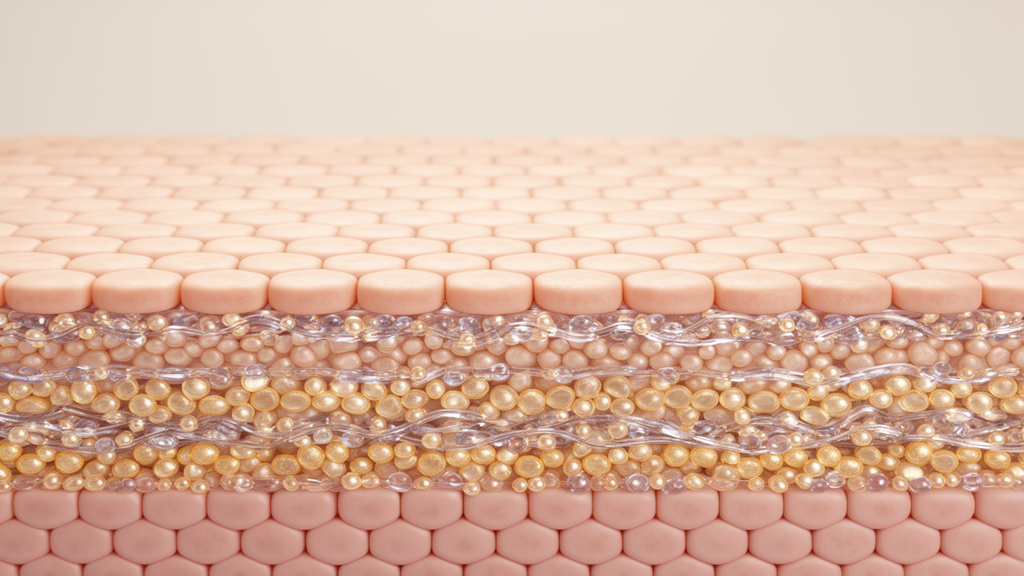
The foundational review in the collection, authored by Prof. O. Lupi and colleagues, frames the skin barrier as an integrated, multi-layered system comprising physical, chemical, microbial, and immunological components. The authors examine the specific biological mechanisms governing barrier integrity and tissue repair, detailing the functional interplay among the acidic mantle, mitochondrial activity, and structural ceramides. According to the review, these chemical and cellular constituents work synchronously to limit pathogen penetration and downregulate inflammatory cascades within cutaneous tissues.
Beyond localized cellular structures, the synthesis by Lupi et al. evaluates broader systemic interactions, including the immunological network and the gut-skin axis. The review details how external and internal factors—specifically the exposome, the cutaneous microbiome, and individual genomic profiles—interact dynamically to sustain barrier equilibrium. Additionally, the authors analyze physiological distinctions in barrier properties between infant and adult skin, alongside documented biological variations observed across different ethnic groups and skin-of-color populations.
In a second review, Drs. H. Vidaurri de la Cruz and M. Magid address pruritus, identifying it as one of the most prevalent clinical manifestations stemming from disrupted barrier architecture. The authors detail the underlying pathophysiology of itch, illustrating how structural barrier damage interacts with neuroimmune dysfunction to establish chronic signaling loops. Psychological stress is highlighted as a compounding biological driver that reinforces the itch-scratch cycle, a relationship particularly pronounced in patients diagnosed with atopic dermatitis.
Addressing the broader burden of chronic itch, Vidaurri de la Cruz and Magid document the measurable impacts of pruritus on mental health and health-related quality of life. In evaluating current clinical regimens, the authors emphasize that traditional dermatological approaches alone may be insufficient for chronic management. They outline the necessity of integrating targeted psychological interventions alongside pharmacological treatments to achieve durable long-term outcomes and address the neuroimmune-psychological axis.
Evaluating supportive and restorative modalities, Drs. P. Farris and V. Campos review evidence-based alternative strategies designed to restore compromised barrier function. Their narrative review compiles clinical evidence for nutritional therapeutics, analyzing the physiological rationale behind interventions such as oral probiotics, essential fatty acids, and hydrolyzed collagen. The authors assess how these dietary compounds support barrier rehabilitation and mitigate tissue inflammation in inflammatory skin presentations.
Farris and Campos also examine procedural approaches to barrier management, detailing clinical evidence surrounding controlled laser disruption. The authors describe how precisely calibrated laser protocols can alter the superficial barrier to enhance topical drug delivery, increase tissue moisturization, and accelerate wound healing responses. Their analysis balances these clinical benefits against procedural safety, addressing documented adverse events and identifying necessary precautionary measures required during laser-assisted dermatological interventions.
The concluding review, compiled by Drs. K. Ravard Helffer, A. Stennevin, S. Méry, A. Moffett, and Dr. P. Lio, evaluates real-world clinical experience from the Avène Hydrotherapy Center. The article assesses the physicochemical properties of Avène thermal spring water and describes a structured three-week clinical hydrotherapy regimen. This multidisciplinary program combines dedicated water treatments with intensive moisturizing care and structured therapeutic patient education to manage chronic inflammatory and barrier-related dermatological conditions.
Beyond clinical intervention protocols, the hydrotherapy review integrates direct qualitative evaluations from both physician and patient perspectives. Contributors emphasize the lived experience of undergoing the multi-week regimen, examining the reported benefits alongside documented observations during long-term clinical follow-up. This clinical evaluation reflects the broader foundational objective of the Entretiens d’Avène conferences, an annual forum established in 2002 to connect laboratory research directly with routine dermatological practice and enhance overall patient quality of life.
The twenty-second meeting was convened on November 7, 2024, in Austin, Texas, supported by an unrestricted educational grant from Pierre Fabre Dermo-Cosmetics and Personal Care, Laboratoires Dermatologiques Avène. In their introductory foreword, authors Ted Lain and Gautier Doat highlight that the gathering uniquely engaged not only academic scientists, dermatologists, and allied clinicians, but also hydrotherapists, psychologists, and representatives from the wider public to examine cutaneous barrier science.
Reflecting on the collection, the foreword authors observe that although barrier dysfunction, pruritus, and atopic dermatitis represent familiar and extensively investigated subjects, new biological discoveries continue to emerge while significant management challenges persist in clinical practice. The compiled reviews underscore an evolving discipline, marked by advancing mechanistic understanding, growing recognition of the patient experience, and the clinical value of supportive care. By fostering ongoing dialogue among scientists, clinicians, and patients, the authors aim to extend these insights to a broader readership to improve barrier understanding.
Subject of Research: Scientific and clinical advances in skin barrier biology and therapeutic management
Article Title: Modern Advancements in Skin Barrier Understanding
Article References: Lain, T., & Doat, G. (2026). Modern Advancements in Skin Barrier Understanding. American Journal of Clinical Dermatology, 27(S1), 3-4. https://doi.org/10.1007/s40257-026-01077-4
Image Credits: AI Generated
DOI: 10.1007/s40257-026-01077-4
Keywords: skin barrier, dermatology, acid mantle, ceramides, pruritus, atopic dermatitis, neuroimmune dysfunction, nutritional therapeutics, hydrotherapy, skin of color, microbiome, gut-skin axis, exposome, mitochondria, thermal spring water
News Source: Dean Parker. (November 23, 2026). Dermatology Supplement Details Multidisciplinary Insights Into Human Skin Barrier Function. Scienmag.