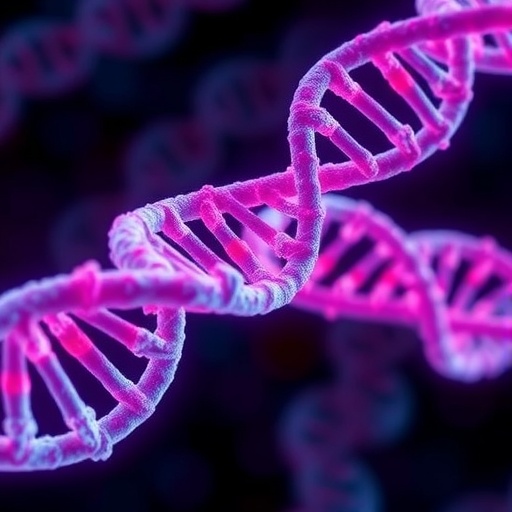
In the labyrinthine confines of the cell nucleus, DNA is meticulously packed and shielded, yet it remains perpetually exposed to an array of damaging insults originating both from intrinsic metabolic activities and extrinsic environmental agents like radiation and chemical toxins. To maintain genomic fidelity against this relentless onslaught, cells orchestrate a highly sophisticated ensemble of DNA repair pathways. The disruption or failure of these critical repair systems results in the accumulation of genomic lesions, which not only imperil cellular homeostasis but also contribute fundamentally to oncogenesis, accelerated aging, and neurodegenerative disorders.
One particularly pernicious category of DNA lesions is DNA–protein crosslinks (DPCs). These covalent linkages between DNA strands and associated proteins can be instigated by endogenous metabolites such as aldehydes, including formaldehyde, or exogenous exposures like chronic alcohol consumption. Moreover, they may arise as inadvertent errors during DNA replication or repair processes. DPCs pose a formidable impediment to DNA polymerases, causing replication fork stalling and hampering faithful chromosome segregation. The persistence of these crosslinks threatens the integrity of the genome and jeopardizes cellular viability.
A pivotal guardian against the DNA–protein crosslink menace is the metalloprotease enzyme SPRTN. This specialized protease recognizes and cleaves DPCs, facilitating their removal and thereby enabling the resumption of replication fork progression. Genetic mutations that impair SPRTN function underlie Ruijs-Aalfs syndrome, a rare hereditary disorder characterized by premature onset bone deformities and liver cancer in adolescence. Despite recognition of SPRTN’s role, the downstream pathological mechanisms stemming from its loss have remained elusive, obstructing therapeutic development.
Recent investigations spearheaded by Prof. Ivan Ðikić and colleagues at Goethe University Frankfurt have elucidated heretofore unappreciated systemic consequences of SPRTN deficiency. Employing both cultured cell models and genetically engineered murine systems, their research demonstrated that the absence of functional SPRTN exacerbates the accumulation of DNA damage within the nucleus. Strikingly, this unrepaired damaged DNA was observed to aberrantly translocate into the cytoplasm, breaching the nuclear envelope’s compartmentalization.
This cytoplasmic presence of nuclear DNA incites a potent innate immune response. Cells interpret cytosolic DNA as a pathogenic danger signal, typically indicative of viral or bacterial invasion or oncogenic transformations. Specifically, extraneous DNA in the cytoplasm activates the cyclic GMP-AMP synthase (cGAS) – stimulator of interferon genes (STING) signaling axis. This pathway triggers an inflammatory cascade, promoting secretion of cytokines and chemokines that recruit immune effectors, thus establishing a state of chronic inflammation.
The implications of this pathological immune activation were particularly pronounced in vivo. Mouse embryos deficient in SPRTN exhibited robust cGAS-STING activation, resulting in pervasive inflammation that persisted into adulthood. The sustained immune assault disproportionately affected vital organs such as the lungs and liver, culminating in premature mortality and phenotypes mimicking accelerated aging. Therapeutic blockade of this immune axis ameliorated many adverse manifestations, underscoring the causal role of inflammation driven by cytoplasmic DNA in the disease process.
These findings reveal that the pathogenic impact of unrepaired DNA-protein crosslinks transcends genomic instability alone, extending to profound systemic inflammatory dysregulation. The chronic inflammatory state provoked by cytoplasmic DNA sensing mechanisms can deleteriously influence organismal longevity. This nexus between impaired DNA repair, innate immune signaling, and aging trajectories represents a paradigm shift in understanding age-associated diseases and genetic disorders marked by genomic maintenance defects.
Prof. Ðikić emphasizes the significance of this conceptual advance, noting that while Ruijs-Aalfs syndrome exemplifies the clinical relevance of defective DPC repair, analogous mechanisms may underpin other rare genetic conditions. The study’s insights lay a critical foundation for devising targeted treatments aimed at modulating the cGAS-STING pathway or enhancing DPC resolution to forestall inflammation-mediated tissue damage.
By leveraging rare disease models, this research not only delineates the molecular underpinnings bridging DNA repair deficiencies to immune activation but also enriches the broader understanding of the biology of aging. Such knowledge may inspire innovative interventions to mitigate age-related pathologies and extend healthspan. The integration of molecular genetics, cell biology, and immunology exemplified here heralds a transformative approach to complex human diseases.
Collaborative efforts spanning prominent institutions—including Goethe University, Johannes Gutenberg University Mainz, the German Cancer Research Center, EPFL Lausanne, Charité Berlin, and others—highlight the interdisciplinary commitment to unraveling fundamental mechanisms of DNA damage response and its systemic ramifications. This collective endeavor exemplifies translational science at its most impactful, promising to translate bench discoveries into clinical breakthroughs.
In sum, the elucidation of SPRTN’s role in managing DNA-protein crosslinks and the consequent immunological sequelae exposes a critical vulnerability in cellular homeostasis that affects organismal lifespan and disease susceptibility. Future research inspired by these findings will likely probe detailed molecular interactions within the cGAS-STING axis and explore pharmacological inhibitors to quell detrimental inflammation without compromising genomic defense.
Subject of Research: Animals
Article Title: DNA-Protein crosslinks promote cGAS-STING-driven premature aging and embryonic lethality
News Publication Date: 30-Jan-2026
Web References: 10.1126/science.adx9445
References: Science Journal, DOI: 10.1126/science.adx9445
Image Credits: Institute of Biochemistry II, Goethe University Frankfurt
Keywords: Genetic disorders, Diseases and disorders, Health and medicine, Cell biology, Cell proliferation, Nuclear localization, Genetics, Human genetics, Molecular genetics, DNA damage, DNA damage responses, DNA repair, DNA replication, Mutation, Loss of function mutations
Tags: accelerated aging processescellular homeostasis disruptionDNA repair mechanismsDNA replication errorsDNA–protein crosslinksenvironmental DNA damagegenomic integrity maintenanceintrinsic metabolic activitiesmetalloprotease enzymes in DNA repairneurodegenerative disordersoncogenesis and agingSPRTN protease function